| OCR Text |
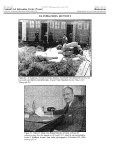
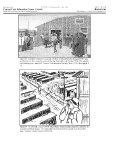
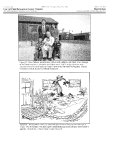
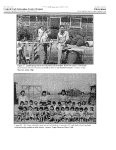
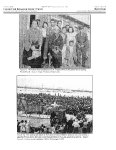
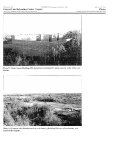
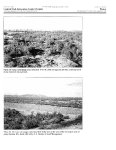
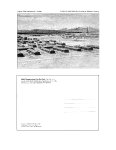
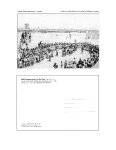
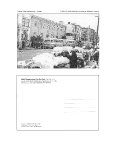
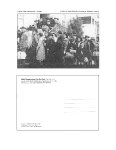
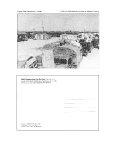
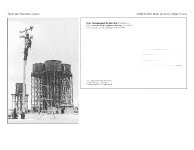
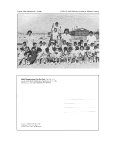
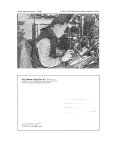
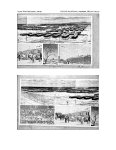
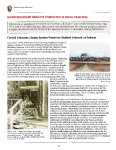
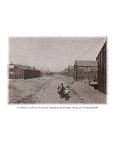
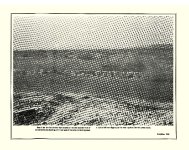
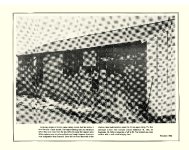
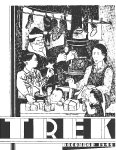
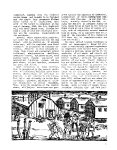
Show NPS Form 10·900 USDIINPS NRHP Registration Form (Rev. 8·86) OMB No . 1024·00 18 CENTRAL UTAH RELOCATION CENTER SITE (TOPAZ) United States Department of the Interior, National Park Service Page 36 National Register of Historic Places Registration Forin auditorium, a gymnasium, stores, and other buildings. Several Japanese American landscape architects worked on plans for the camp.97 A number of evacuees were professional gardeners and greenhouse workers so it is not surprising that substantial effort was expended to beautify the camp setting, both by individuals and the community (See Figures 26 and 27). In many instances, the landscaping was rather elaborate and projects often reflected Japanese symbolism and sensibilities. For example, Reiko Oshima Komoto recalled, "The neighbor across the street somehow managed to make a pool with local fish swimming in it. How he obtained the cement and the fish, I have no c1ue.,,98 The landscape artists of Topaz visited private gardens and the high school in Delta to study what type of plants could grow in the area prior to planning the grounds surrounding the administration building and hospitaL To bring more vegetation to the desert landscape, trees and shrubs were specially ordered or transplanted from the mountains. The administration initially acquired ten thousand cuttings for shrubs, thinking that vegetation would help solve the dust problem. 99 Hot beds, transplanting fields, and a garden house were constructed to help with propagation of landscape plants as well as vegetables. Residents from local communities also donated trees and plants for the camp. A 1942 Arbor Week celebration resulted in the distribution of thousands of willow saplings to be planted at the blocks, the apartments, and areas surrounding the blocks. Y oshiko Uchida recalled, "The young trees looked too frail to survive in the alkaline soil, but we all felt anything was worth trying." Larger trees brought to camp included Siberian elms and Utah junipers which were sent by the Forestry Department of Utah State Agricultural College and placed near the administrative and hospital buildings and in the proposed civic center area. About one thousand tamarisk shrubs were transported from Clear Lake about forty miles away. In December 1942, Trek observed, "The most notable external additions to the city scene ... are the trees of various kinds planted." The Landscape Department sfonsored a garden show of plants gathered locally and arranged into bon-sai and hana-ike in the same month. 10 Mine Okubo wrote that the residents were surprised in the spring when "green began to appear in the trees and the shrubs, especially those planted near the washrooms." The Topaz Times reported beautification went on day and night. Residents considered the building of roads, transplanting of vegetation, and creation of picturesque rock gardens "essential to the civilized life." Evacuees used stone to mark gardens and pathways, and interestingly-shaped rocks were a major decorative component in gardens. Since the site of the camp contained predominantly very small rocks, larger ones were found in the mountains and brought to the site. One immense rock, weighing about four tons, was found in the hills west of Topaz and trucked back to be used as a monument in the hospital area. Beginning in January 1943, a "unified gravel walk system" between all buildings was created to aid in beautification and minimize mud, forming "door-to-door pathways." Residents created a ten-acre picnic ground adjacent the east fence. Children played in sand pits dug in each block and the 101 school areas, although playground equipment was not installed until the fall of 1943. Small gardens were a major component of the developed area. Almost everyone participated in establishing victory gardens. As described by Mine Okubo, "Some of the gardens were organized, but most of them were 97 Tom Takai, Don Akamatsu, and Joe Korematsu were among those who designed the landscape. Topaz Times , September 17, 1942, September 2 and 30, 1942,3; Jane Beckwith, Delta, Utah, interview by authors, October 7, 2005 ; Reiko Oshima Komoto, "Japanese Internment Camps: A Personal Account," www.uwec.edu/Geography/Ivogeler/w I88/life.htm (accessed November 14,2005). 99 Various solutions to the dust problem were tried, including, in 1943, planting barley and clover south of the hospital. Topaz Times, September 30, 1942, May 4 and 6, 1943 ,3. 100 Millard County Chronicle, December 10, 1942; Uchida, Desert Exile, 125; Arrington, Price of Prejudice, 24-25 ; Trek 1, no. 1 (December 1942): 5; Topaz Times, October 28, 1942, 1, November 17, 1942, 3, December 3, 1942, I, December 30, 1942, 1, April 22, 1943,3. 101 Okubo, Citizen 13660, 149; Topaz Times, December 5, 1942, 12, October 24, 1942, 5, January 8, 1943, 1, March 10, 1943, 1, March 20,1943,1, November 23 ,1 943 , 3. 98 |