| OCR Text |
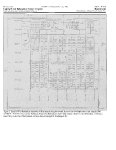
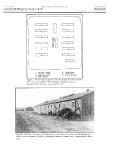
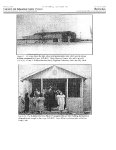
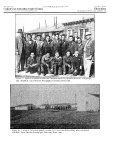
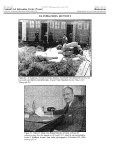
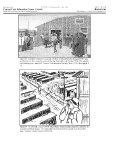
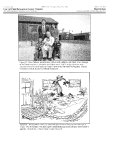
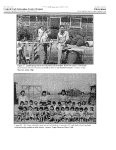
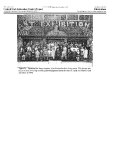
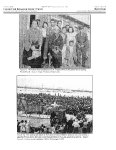
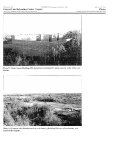
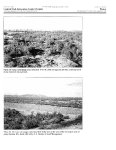
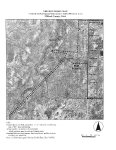
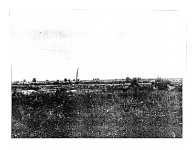
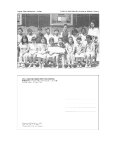
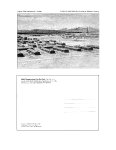
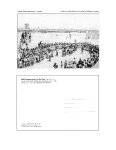
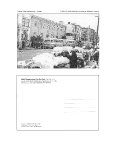
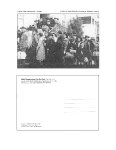
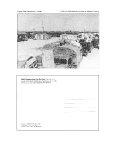
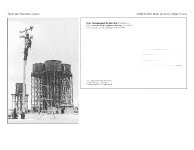
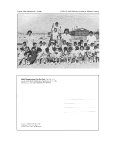
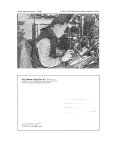
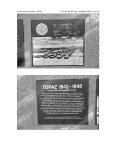
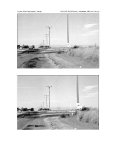
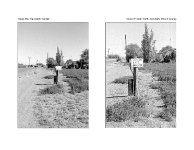
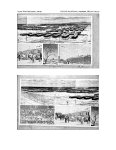
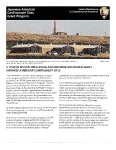
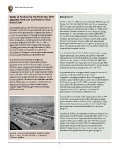
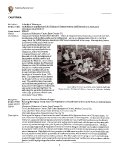
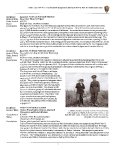
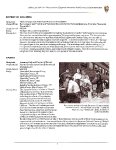
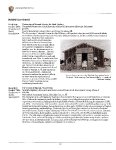
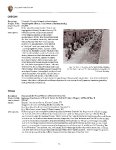
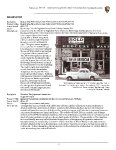
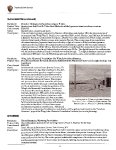
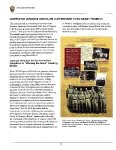
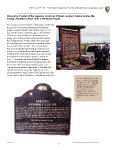
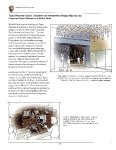
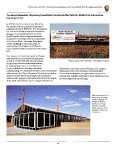
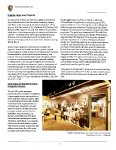
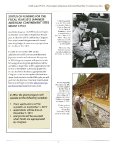
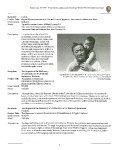
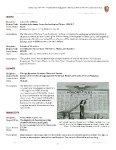
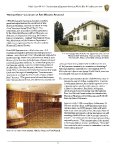
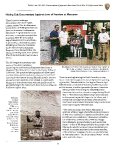
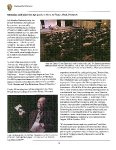
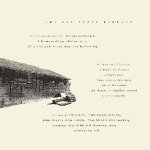
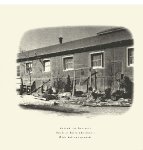
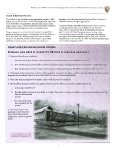
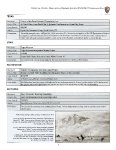
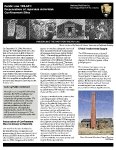
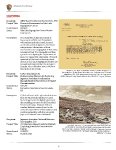
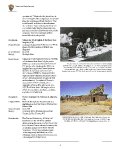
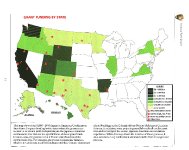
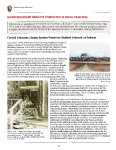
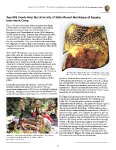
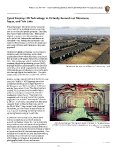
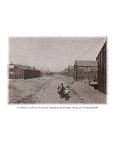
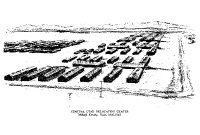
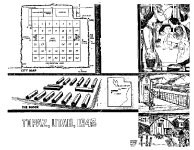
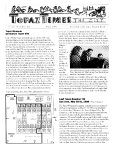
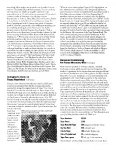
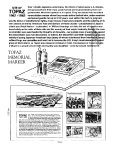
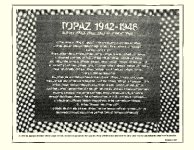
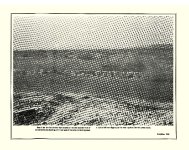
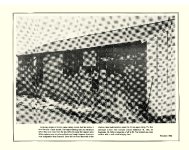
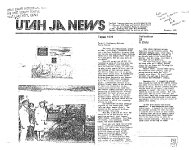
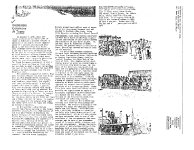
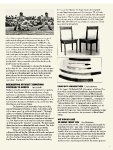
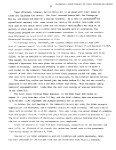
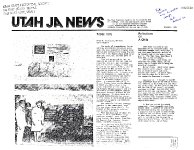
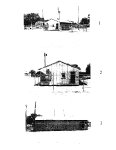
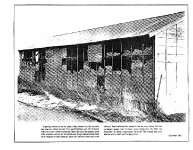
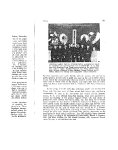
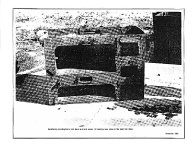
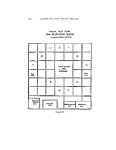
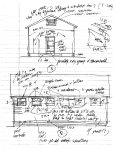
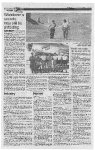
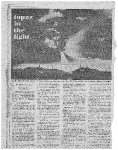
Show \-l3- CO UTAH PRESS .\SSOCIATION Clipping Service (lml) 328-8678 'IILLARD COUNTY CHRONICLE Topaz museum and site an official project of Save America's Treasures By Kathy Walker ...;, The Topaz Museum Board w as " awarded a $16,600 preservation planning grant from the National Trust for Historic Preservation. It was among 37 grant recipients in 29 states announced Thursday, Jan. 6. The grants ranged from $10,000 to $50,000, and two hundred applications were received. . " It is a planning fund grant for the Topaz project," said Jane Beckwith, President of Topaz Museum aoard. " The project is unique, and includes the Topaz museum and the interment camp site. I think receiving the grant is wonderful, and very helpful. As the worth of the project increases, so does the scope of work required." A board of experts in preserving historical sites will be organized and will help develop a plan to preserve the historical value of the Topaz project, Beckwith said. The grants must be matched dollar for dollar by the recipients and were given to nonprofit organizations and local, state and tribal government agencies. The 1. Paul Getty Trust established the $1 million to the National Trust's Save America' s Treasures Program to help ensure historic sites, buildings and districts nationwide remain an important part of America's heritage in the new millennium. During World War II, ten internment camps imprisoned 120,000 Japanese Americans. Topaz is one of only two being actively preserved. In 1997, the Topaz Museum Board purchased 400 acres of the 640-acre internment camp site to Scene from Topaz during the 1940's. The renovated recreation hall from the site is in Delta next to the Great Basin Museum. preserves its history. The relocation site is about three miles northwest of Abraham. Between 1942 and 1945, when it was open, the camp housed about 9,000 evacuees. The camp consisted of forty-two checkerboard blocks with twelve single-story resident barracks, housing 250-300 people. Each block was equipped with a central mess hall, recreation hall, and a combination washroom. toilet, laundry building. Bathing and toilet facilities were not available in the barracks. Since the Japanese Americans were allowed only to bring what they could carry. residents constructed furniture and amenities from scrap lumber and other natural materials found on the site. Topaz was closed October 1945. Besides a monument of stone and concrete built in 1976, the remains of the site are subtle hints of concrete foundation slabs, pathways, front steps and gardens, and a network of streets covered with brush. A renovated recreation hall from the site was dedicated May 27, 1995 and stands next to the Great Basin Museum in Delta. The restoration project was funded mostly from former internees. The Topaz Museum Board refuses to let the story of Topaz die and will continue working to preserve one of America' s historical treasures. |