| OCR Text |
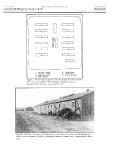
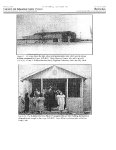
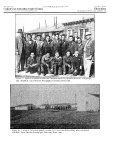
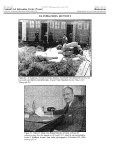
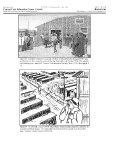
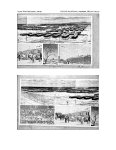
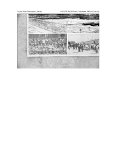
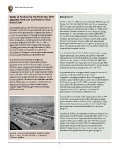
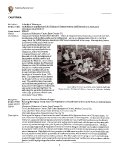
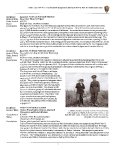
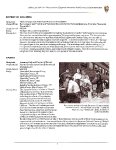
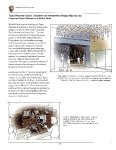
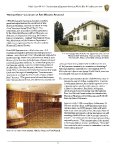
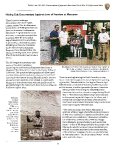
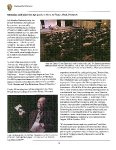
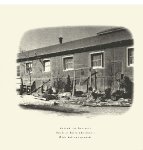
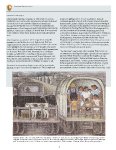
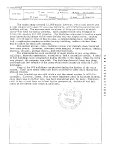
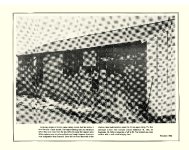
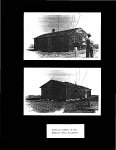
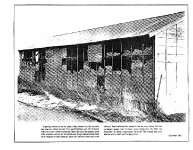
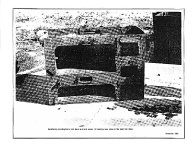
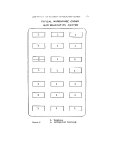
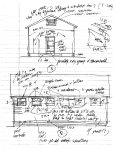
Show NPS Form 10-900 USDIINPS NRHP Registration Form (Rev. 8-86) CENTRAL UTAH RELOCATION CENTER SITE (TOPAZ) United States Department of the Interior, National Park Service OMB No. 1024-0018 Page 25 National Register of Historic Places Registration Form horse stalls (See Figure 21). Tsuyako "Sox" Kitashima remembered, "As we stepped inside, the sight of horse manure laying on the floor and horse hairs stuck to the rough, whitewashed walls stunned US.,,52 Life at Tanforan was carefully scripted by government planning and regulations. Items considered "contraband" at the assembly and relocation centers included not only weapons, ammunition, bombs, and explosives, but also radio transmitters and short-wave receivers, cameras, and "certain types of books, photographs, maps, and drawings.,,53 Written materials were examined by authorities, and publications could be censored_ A standard form of government for the camps was inaugurated, with block representatives elected to a community council granted advisory responsibilities. Churches were established, including Protestant, Buddhist, and other denominations_ Long lines were required to access mess halls where food was inadequate in quantity and initially almost inedible. No concessions were made to cultural preferences or special diets. Laundries and showers were few in number and short of hot water. Diarrhea became epidemic due to unfamiliar and inadequately prepared food. The small number of bathroom facilities were designed with a lack of privacy that most found embarrassing. Stress was a constant factor of life and contributed to medical problems for many people. Haruko Obata remembered her initial feelings at Tanforan: "That one time I cried so much. That was the only time I cried; it was awfuL" Evacuee Tsuyako Kitashima expressed the view of many: "Life at Tanforan remains the most grim period of my life." Topaz historian Sandra C. Taylor, observed that many evacuees concurred that their time at Tanforan was the most difficult of the entire relocation experience: "This was a prison city, different from ajail in that the keepers promised self-government, allowed education and recreation, and provided entertainment. They talked about how the incarceration was for the inhabitants' own protection, but the lack of civilized accoutrements dramatized the difference between the keepers and the kept. ,,54 Despite a multitude of hardships at Tanforan, important associations and activities initiated at the assembly center would be moved successfully to the relocation camp in Utah. As the evacuee-produced newspaper, the Tanforan Totalizer, commented in its final issue, "Time, work, patience and perseverance have transformed .. . a rather gloomy, muddy, inconvenient converted racetrack into the semblance of a living community of business, social, spiritual, educational, recreational, and leisure time activities." Entities such as the community council, library, sports program, churches, cooperative enterprise, newspaper, and medical unit germinated at the former racetrack. 55 Among the most notable events at Tanforan was the founding of an art school with adult classes by a group of sixteen artists led by Chiura Obata. Obata (1885-1975) had studied painting in his native Japan before moving to San Francisco in 1903. He was a founder of the East West Art Society, which promoted understanding between cultures through art. A respected professor at the University of California at Berkeley for ten years before the war, Obata was an influential artist. His wife, Haruko, was one of the first San Francisco teachers of ikebana, the traditional Japanese art of flower arrangement. Chiura Obata believed that an art school would provide important learning activities for young people and "maintain one spot of normalcy," in the lives of evacuees. The popular Tanforan school served about six hundred people, and when transplanted to Topaz drew even more students. 56 52 Okubo, Citizen 13660,26; Tsuyako "Sox" Kitashima and Joy Morimoto, Birth of an Activist: The Sox Kitashima Story (San Mateo, CA: Asian American Curriculum Project, 2003), 42. 53 WRA, Relocation Program, 14. 54 Obata quoted in Kim Kodani Hill, Chiura Obata's Topaz Moon (Berkeley, CA: Heyday Books, 2000), 27-29; Kitashima, Birth of an Activist, 45; Taylor, Jewel of the Desert, 63-81. 55 Tanforan Totalizer, September 12, 1942, 1. 56 Hill, Topaz Moon, xiv, xvi, 4, and 37. |