| OCR Text |
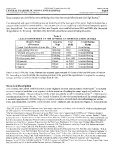
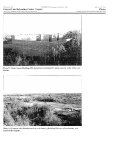
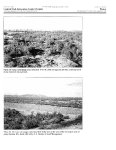
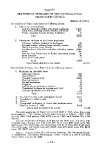
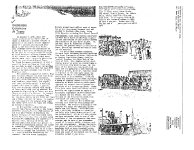
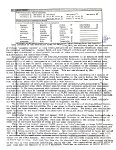
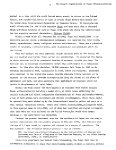
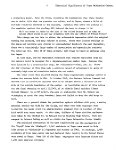
Show For purposes of agricultural production at Topaz the government had purchased 20,000 shares of water in the Abraham, Delta, and Deseret Canal companies, and thirteen farmsteads, comprising 18,840 acres. Only 20 percent of the land was cultivated - mostly in alfalfa; the remainder was about half rangeland and half non-cropland. About 35 percent of the land had once been cultivated but had since been abandoned. The evacuees were able to bring an additional 5,000 acres into production, including 1,020 acres which previously had been classified as non-cropland. The government also provided initial starts of 1,700 poults, 13,000 baby chicks, 200 brood sows and over 2,000 other swine, and 1,800 head of beef. Despite the urban background of the residents - there were less than 250 farmers in the entire camp - the evacuees were able to produce more than $500,000 worth of agricultural products." These included: Contemporary value 1,400,000 pounds of vegetables $ 33,000 3,000,000 pounds of field crops - alfalfa and grain 165,000 1,200 turkeys 6,500 83,000 dozen eggs 35,000 9,200 chickens 9,500 3,000 hogs 97,000 1,800 head of live beef 165,000 Total $511,000 This production provided most of their vegetables, beef, and pork, about 75 percent of their eggs, and nearly all the feed needed for their livestock. Topaz also supplied 288 head of beef to the Minidoka Relocation Center. The agricultural supervisor had originally hoped to grow sugar beets but this plan was abandoned because most of the workers were needed outside the ('{'nters at harvest time. Many families planted victory gardens, and organized bucket brigades to take water from the laundries to the land, but these did not flourish, nor was the production of fruit practical. No agricultural program was planned for 1945 because of the imminent closing of the center; the land and water were cash-leased to eleven local farmers. All told, local production provided about 10 percent of the value of all food consumed in the center. The first and most important activity of the agricultural workers was to build fences, canals and ditches, corrals, swine sheds, and poultry houses. Throughout the life of the project it is estimated that more than half of the time of agricultural workers was devoted to such construction work. Much additional time was required in making and repairing agricultural equipment. Not until the close of --;i\"VRA policies prohibited the establishment of dairies at the centt'rs . Reasons for this were the lack of ~xp(,Tienee on the part of tl,e evaeut'{·s, the inddinite p<'riod of ('enter occupation, and the difficulty of compl}'ing with state and local sanitary regulations. -28- |