| OCR Text |
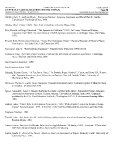
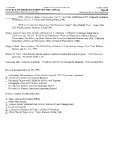
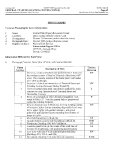
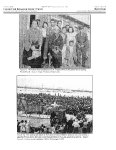
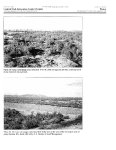
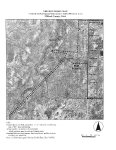
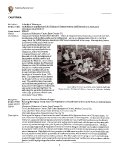
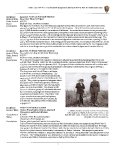
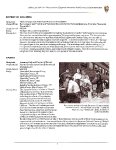
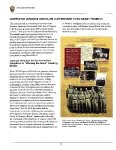
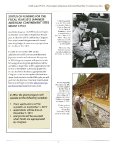
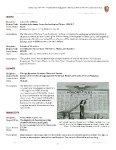
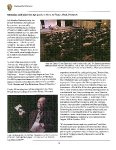
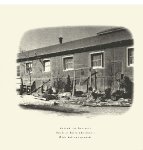
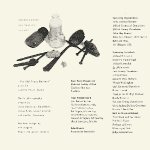
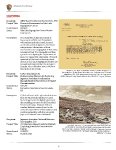
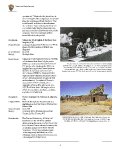
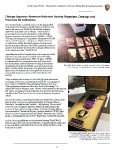
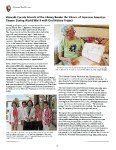
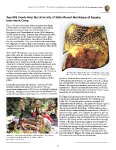
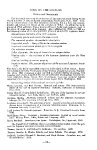
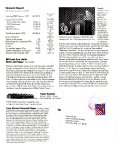
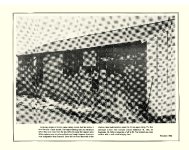
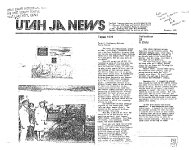
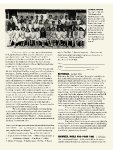
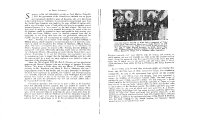
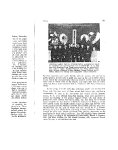
Show Public Law 109-441 - Preservation ojJapanese American World War I I Confinement Sites IDAHO Recipient: Project Title: Grant Award: Site(s): University of Idaho Kooskia Internment Camp Archaeological Project (KICAP) $6,176 Kooskia Internment Camp, Idaho County, ID Description: The University of Idaho will use the project funding to complete the cataloging and interpretation of artifacts recovered at Kooskia during the 2010 archeological field project. The artifacts, such as gaming pieces made of locally quarried pebbles and stone, will be displayed during special events, and the findings made available on the university's website. Recipient: Project Title: Grant Award: Site(s): Friends of Minidoka Civil Liberties Symposium: Patriotism, Honor, and Sacrifice $20,000 Minidoka National Historic Site,Jerome County, ID Description: This project, which was completed in July, helped fund the 6t h annual Minidoka Civil Liberties Symposium: "Patriotism, Honor, and Sacrifice." See: "Completed Projects" section of this newsletter for more information. ILLINOIS Chicago Japanese American Historical Society Recipient: Project Title: Conservation of the Chicago Japanese American Historical Society Archival Materials Grant Award: $5,000 Site(s): Multiple Description: The historical society's collection includes items from Japanese Americans in Chicago in the 1930s, from the internment camps of World War II, and during resettlement in the Chicago area after the war. This project will fund the purchase of archival-safe material to help preserve that collection. To help complete the work, the society will hire two interns. MI NNESOTA Asian Media Access, Inc. Recipient: Project Title: The Registry (A documentary film about the Military Intelligence Service Language School in Minnesota) Grant Award: $75,000 Site(s): Multiple Description: Fumi Onodera points to the names of her family members serving in the U.S. Army from the Minidoka Relocation Center, October 1943. Photo: The Bancroft Library, University of California, Berkeley Many Japanese Americans who were held in the camps also served in the nation's Military Intelligence Service as interrogators, interpreters, and linguists. This project will result in an hour-long - -- 9 - - - -- |