| OCR Text |
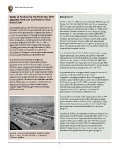
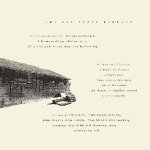
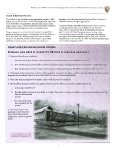
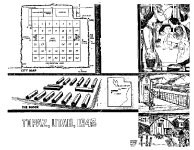
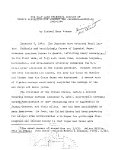
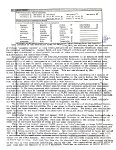
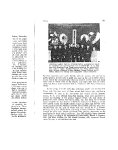
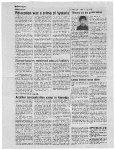
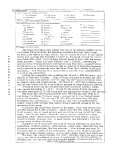
Show EVACUATION the evacuation was voluntary; Nisei and Kibei were instructed A ttofirstmove out of strategic areas on their own. Almost five thou- sand did move, principally to Utah and Colorado, but the growing suspicion and the general public antagonism in the interior presented many difficulties. General DeWitt and his staff made no effort to prepare the illterior states for the voluntary migration which he had encouraged, or to explain why people of Japanese descent were regarded as a hazard in the coastal zone hut not in the interior. As a conseqllcncn, the Nisei who responded to the General's urging ran into all kinds of trouble. Some were turned back by Arizona border guards; others were met by armed posses in Nevada; still others were held "on suspicion" hy panicky local peace officers. Many were greeted by "No Japs wanted" signs or were threatened by nuclei of angry citizens. The reaction in Utah, where more than 2,000 persons of Japanese ancestry lived, and to which another 1,500 refugees moved during this period of voluntary evacuation, was not as hysterical as that of her neighboring states; but even here the sentiment was such as to discour::tge settlement.' Governor Herbert B. Maw, for example, publicly expressed his opposition to their settlement in the \Vasatch Front area. "If the federal officials think they are dangerous on the coast," he said, "they would be here." lIe convened a meeting of county representatives to determine those which would welcome the evacuees and found that all but two were opposed to receiving them. Some of the conferees spoke of the danger of sabotage; others were fearful that the Japanese would get control of Utah's already limited acreage of good farm land. One outspoken commissioner minced no words in saying that his county wanted no Japanese, and intimated that the people there were considering adopting their own means of kceping them out. "If they are thrust on us we want them in concentration camps," he declared. Resolutions protesting the resettlement of Japanese in the Salt Lake area "unless properly supervised" were subsequently adopted by units of the American Legion, Veterans of Foreign Wars, and similar patriotic groups. Alien evacuation from the coast, the resolutions declared, '11ad already created a serious menace to the welfare of the people of the state of Utah." Faced with almost universal expressions of antagonism in the interior, the vast majority of Pacific Coast Japanese-Americans simply -----,--;n;e largest numher seUled in a "Japanese town" in Salt Lake City called "Nihonmachi." One of the first groups to move to Utah was composed of 1·30 Nisei from the Oakland area under the leadership of produce d"aler Fred Wada. They leased the 4,OOO-acre George A. Fisher ranch in Keetley, \Vasatch COlmty. and raisrd vegetables and other produce. They liwd in a large two-story apartment building originally ,'reeted for miners, and more recently used hy summer tourists. Intensely patriotic, ·th~y adopted the motto, "Go East, young man, and raise food for freedom:' und er""ted "Food for Freedom" billhoards along the highway. Another group of migrants to Utah worked on a cooperative basis for the Chipman Livestock Company of Nounan, Idaho. -7- |