| OCR Text |
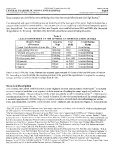
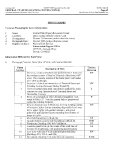
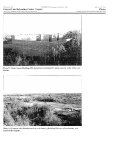
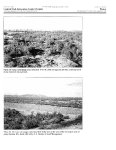
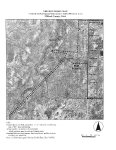
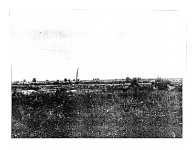
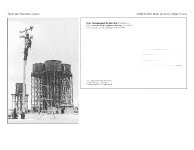
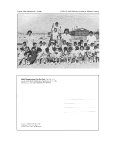
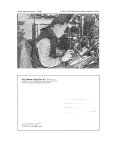
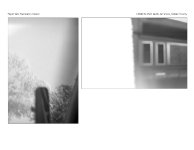
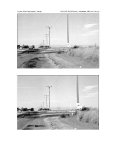
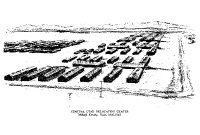
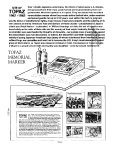
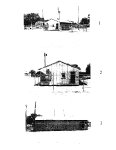
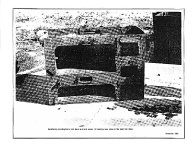
Show NPS Fonn 10-900 USDIINPS NRHP Registration Fonn (Rev. H-Ho) OMB No. 1024-0018 CENTRAL UTAH RELOCATION CENTER (TOPAZ) United States Department of the Interior, National Park Service Page 7 National Register of Historic Places Registration Fonn names of several nine- to eleven-year old boys living in the camp, is located in the south central area near the guard tower at that location (Photograph 24).5 Camp Trash Dump. The camp trash dump was located in the northeastern portion of Section 19, west of the camp proper (Photograph 25). The area is characterized by trash scatters and long mounds of soil which contain buried trash. Types of trash present include U.S. Quartermaster Corps crockery, Japanese ceramics, construction debris (wood, paint cans, tar paper), and various other domestic trash (cans, tins, glass bottles). A 2005 archaeological survey found that "the dump has been vandalized to a small extent, but large portions remain intact with subsurface deposits." The survey concluded that "further work in this area could provide a better understanding of the daily lives of the evacuees.,,6 Sewage Septic Field. Also west of the camp in Section 19 is the septic field for the sewage system (Photograph 26). Rectangular excavations denote the former locations of six large redwood septic tanks (Photograph 27); the tanks themselves were salvaged. A short effluent drainage ditch extends west from the northern end of the septic tank field, while another extends for more than a mile to the southwest. Contributing/Noncontributing Status and Resource Count Contributing Resources The nominated property contains two contributing resources (See Table 1). The entire developed area of the center included within the boundary of the nominated property has been classified as a contributing site. 7 The roads, barbed wire perimeter fencing, concrete foundations, landscaping, paths, trash dump and trash scatters, sewer system, and other components discussed above are considered to be part of the site and are not counted separately in the list of contributing resources. The site possesses a great richness and variety of cultural remains reflecting the three-year occupancy and high population density of the camp. The property also includes a contributing structure, an earth and timber loading platform (photograph 28) in the western portion of the camp. This is the only standing structure that survives from the World War II era. Noncontributing Resources The nominated property contains three noncontributing resources. All are small in scale and do not have a strong presence. The noncontributing resources are discussed below. A fluorspar processing structure built of earth, concrete, and timber is located at the northeast comer of the property. It was built as part of a fluorspar mining operation in the 1950s. The structure is classified as noncontributing since it was erected after the period of significance for the camp. A modem house and an associated shed are located in the southeast portion of the property, on land currently owned by the Topaz Museum. The house is a low, one-story, gable roof frame building (Photograph 30) that was moved to the site in 1993. The shed is a small gable roof frame building. It was erected sometime after 1993. 5 Two of the boys whose names are inscribed in the concrete were contacted, but they could not remember this marker or its creation. Tommy Nihei noted that most of the boys were from Block 9 and speculated that they had inscribed wet concrete with their names, the date, and "Topaz" "just for the heck of it." Tommy Nihei, telephone interview with Thomas H. Simmons, 30 November 2005; Ben Yamanaka, telephone interview with Thomas H. Simmons, 29 November 2005. 6 loelle McCarthy, U.S. Bureau of Land Management, Topaz Waste Disposal Survey, IMACS survey form, 42MD1793, 17 October 2005. 7 The exact number and location of features has not been determined, as a complete survey of the site has not been undertaken. |