| OCR Text |
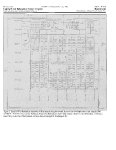
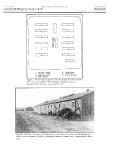
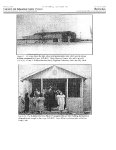
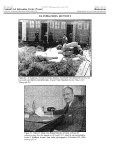
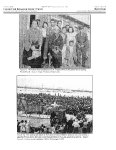
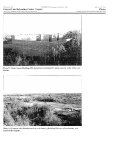
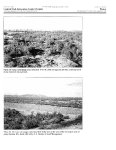
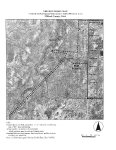
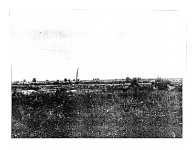
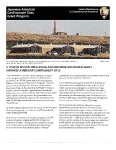
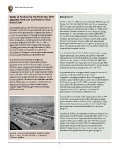
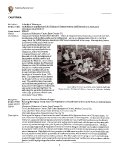
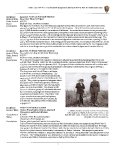
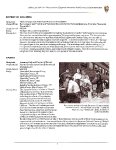
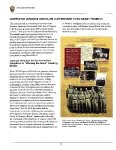
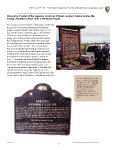
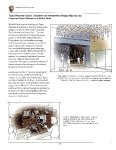
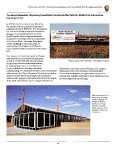
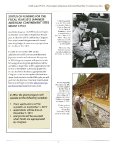
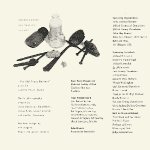
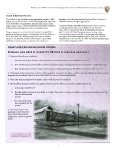
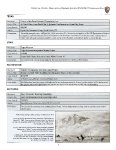
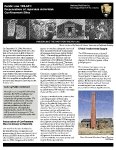
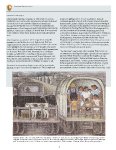
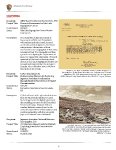
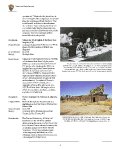
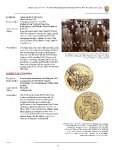
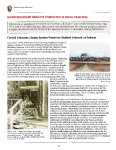
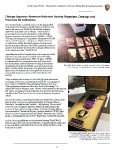
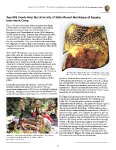
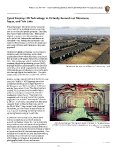
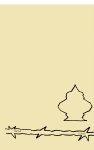
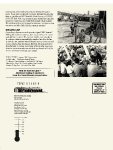
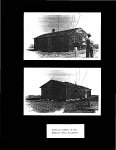
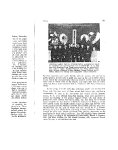
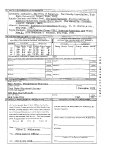
Show Public Law 109-441 - Preservation ofjapanese American World War II Confinement Sites Two NPS Grants Help the University of Idaho Reveal the History of Kooskia Internment Camp Forty miles east of Kooskia, Idaho, the thick woodlands of Clearwater National Forest conceal the deteriorating Kooskia Internment Camp site, a World War II U.S. Immigration and Naturalization Service (INS) detention facility and work camp. Between May 1943 and May 1945, 256 men of Japanese heritage were interned here, many of whom the U.S. government had removed from Peru, Mexico, and Panama. They were tasked with constructing U.S. Highway 12 between Idaho and Montana, representing the government's first attempt to utilize internee labor for its construction projects. With a 2009 NPS Japanese American Confinement Sites grant of $16,456, the University of Idaho uncovered the history of this lesser-known internment site through a summer 2010 archeological field school and subsequent laboratory work. University of Idaho archeologist and historian Dr. Priscilla Wegars spearheaded the project with her extensive research of Kooskia, and encouragement for an archeological survey. Then, led by Dr. Stacey Lynn Camp, assistant professor of anthropology at the University of Idaho, students searched for architectural remains, surveyed landscape features, unearthed artifacts, then catalogued the objects and shared their findings with the public. This porcelain dragon artifact was uncovered during the project. Photo courtesy: University of Idaho - photo by Dr. Stacey Camp products. Students then cleaned, sorted, and rehoused 1,968 artifacts into 18 boxes. For public outreach, a website was created (http://www.uidaho.edu/class/kicap ) to share the site's history, project updates, and student and faculty experiences. The project team also advertised and hosted a Public Archaeology Day, where more than 40 participants toured the site and learned about its history. During the archeology field school, University of Idaho students conducted a surface survey, shovel testing, a ground penetrating radar (GPR) survey, and digital mapping of the site. Among the discoveries were the foundation of a camp building, Japanese gaming pieces, and home medicinal For Phase II of the project, the University of Idaho was awarded a second grant during the 2011 funding cycle for $6,176. During this phase, students catalogued 26 additional boxes of artifacts. The grant also helped expedite the lengthy process to analyze and interpret the artifacts discovered during the first phase. Artifact analysis plays a critical role in communicating the experiences of Kooskia's internees to the public. For example, the Japanese gaming pieces made from local stone were a creative way internees sought to transform their environment into some semblance of home. Dr. Camp and her students shared their findings related to Kooskia Internment Camp at several academic conferences. The artifact interpretation and analysis will provide ample support for the Kooskia Internment Camp's nomination to the National Register of Historic Places and inform the creation of interpretive signage at the site, processes that Dr. Wegars, Dr. Camp, her students, and the Clearwater National Forest set into motion. University of Idaho archeology students unearth artifacts from Kooskia Internment Camp. Photo courtesy: University of Idahophoto by Dr. Stacey Camp 25 |