| OCR Text |
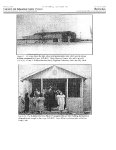
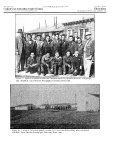
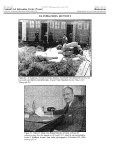
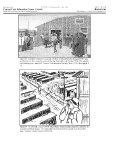
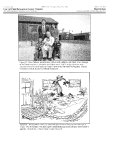
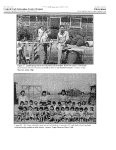
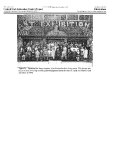
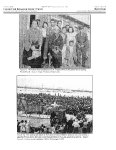
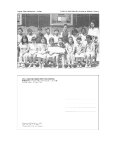
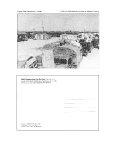
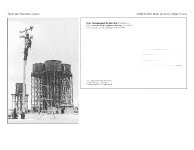
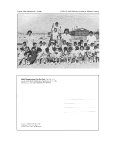
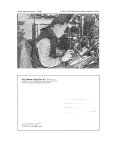
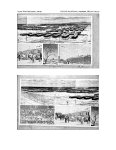
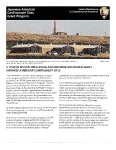
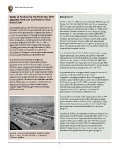
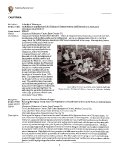
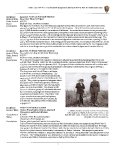
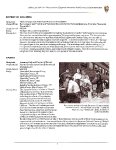
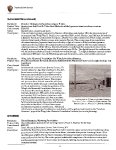
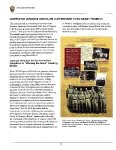
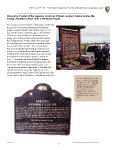
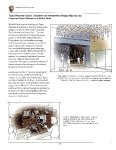
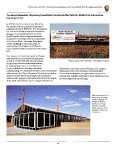
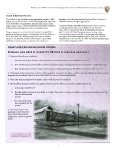
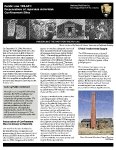
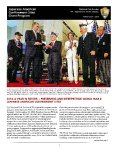
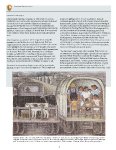
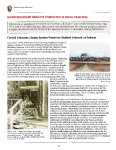
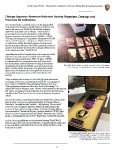
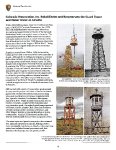
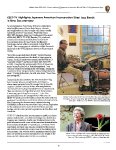
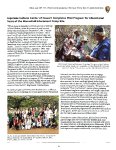
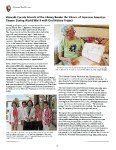
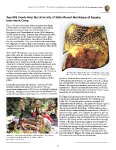
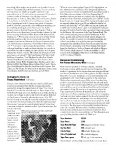
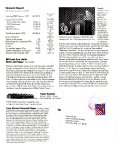
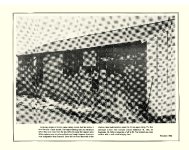
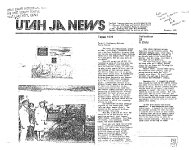
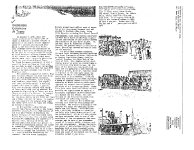
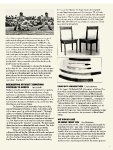
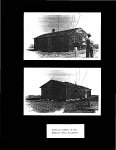
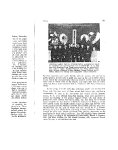
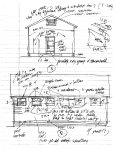
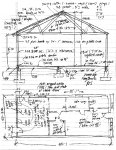
Show Public Law 109-441 - Preservation ofJapanese American World War II Confinement Sites Friends of Minidoka Reconstruct Minidoka Honor Roll On March 13, 1943, the four Sakura brothers graced page one of Minidoka's camp newspaper, The Irrigator. The brothers - Ken, Chet, Ted and Howard - had volunteered, all within days of one another, for service in the army. A few weeks before, the three Onodera brothers did the same and, by the end of March, more than 300 men signed up. Minidoka families, proud of their soldier sons (and a few military Reconstructed honor roll near the entrance of the Minidoka National Historic Site. daughters), built an honor roll with Photo courtesy: Friends of Minidoka the names of the soldiers listed in handpainted rows. At the top was an eagle, its two had figured the honor roll's dimensions "within half wings spread. In a photograph published in The Irrigator in October 1943, Fumi Onodera, the 20-year- an inch" of each another. old sister of the three Onodera boys, stood in front of the honor roll, pointing to the names of her brothers Ko, Kaun The honor roll's location at the entrance to the former internment camp creates a powerful interpretive feature. and Satoru, who became part of the highly decorated, "Literally, the first thing in your face was this honor roll," all-japanese-American 442 nd Regimental Combat Team, said Anna Tamura, NPS landscape architect. "It was which fought in France and Italy, where Satoru Onodera a profound statement. Yes, we are patriotic. We have a lost his life in 1944 (see photo, page 9). thousand men in the military. We have an eagle. Despite Now, the honor roll has been reconstructed by the Friends being incarcerated and our rights being taken away, we are still patriotic to the United States." of Minidoka, with the help of a 817,295 grant from the Japanese American Confinement Sites Grant Program. The honor roll was dedicated on July 3, during the annual Minidoka Pilgrimage. But first came a bit of detective work, among them determining the exact dimensions of the original honor roll. Bill Vaughn of the Friends of Minidoka, who donated his time to the project, sized historic building materials, while park volunteer Tim Clark researched the height of young Japanese women in the 1940s, finding the average female was about 5-foot-I. By applying that data to the photograph of Fumi Onodera standing in front of the honor roll, the scale came into focus. "We sat back and grinned," Vaughn said of the day he compared his notes to Clark's. Using different methods, the Participants at the celebration gather around the newly reconstructed Honor Roll. Photo courtesy: Friends of Minidoka 19 |