| OCR Text |
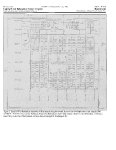
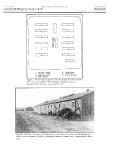
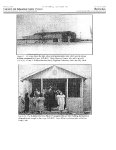
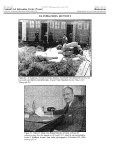
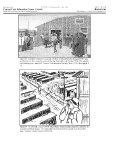
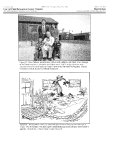
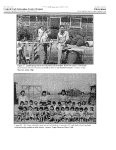
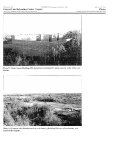
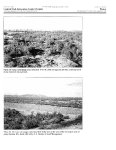
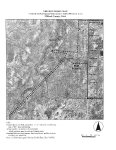
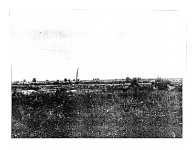
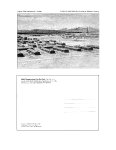
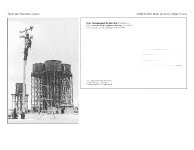
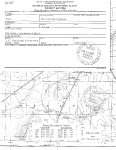
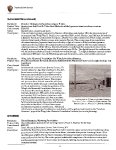
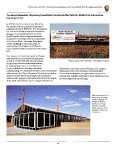
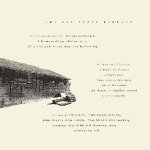
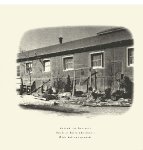
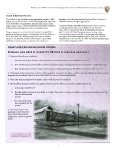
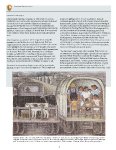
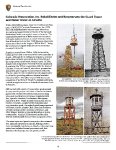
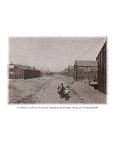
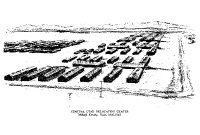
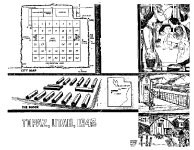
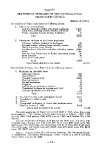
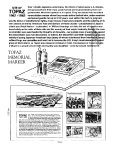
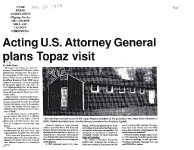
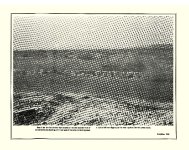
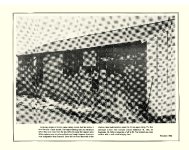
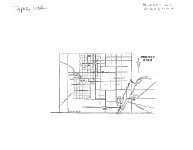
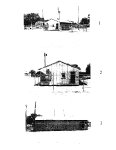
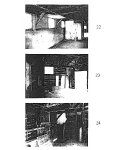
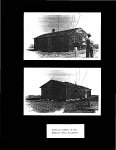
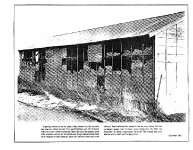
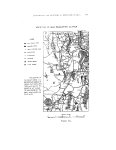
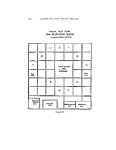
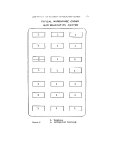
Show The administrative area consisted of eight blocks of one-story office buildings, barracks apartments, dormitories with modern conveniences, and a recreation center. In this area was also located a hospital, and a number of maintenance and construction sheds. Approximately 200 Caucasians supervised and staffed the various administrative divisions, half of them from nearby towns. The total cost of operating the center was approximately $5 million per year, of which $1.75 million was for personal services, $2.5 million for supplies and materials, and $1 million for additional construction, utili tics, and clothing grants. In one corner of the square, behind a barbed-wire fence, was a twenty-acre area with the barracks and headquarters of the Military Police, about a hundred of whom arrived just ahead of the first detachment of evacuees. During most of the history of the center there were from three to five officers and from 85 to 150 men. Guard houses were huilt at each entrance to the city, and the military police checked the papers and credentials of every person going and coming. Both the city and the entire project area were surrounded by tall, strong barbedwire fences, with watchtower guard houses equipped with searchlights every quarter of a mile manned by patrols of armed guards. All told, there were 623 buildings, all of uniformly somber aspect except the hospital and administrative buildings, which were painted white. Water for the project came from three deep-drilled wells at the east side of the area which were capable of supplying 1,300,000 gallons daily. The water was stored in four elevated redwood water tanks - said to constitute the largest wooden water tank in the world - with a total capacity of 500,000 gallons. All reports indicate that the water was almost undrinkable. All of the housing and administrative areas, civic center, and athletic fields were complete.d and landscaped by the summer of 1943; i. e., nine months after the residents had arrived. From the Forestry Department of Utah State Agricultural College 75 large trees and 7,500 small trees, principally Siberian elms, Utah juniper, Russian olives, and black locusts, were obtained to beautify the center. There were also 10,000 cuttings of tamarisk shrubs, willows, and wild currants. Nearly all the trees and shrubbery died; the alkaline soil, heat, and wind foiled efforts to get grass and flowers to grow. At the time of occupancy Topaz was only two-thirds completed. There were drafty buildings, crowded barracks, and open trenches, and many suffered until the housing and hospital construction crews could finish their work. In the first months of blowing dust and rain, when the houses had neither ceilings nor inside walls, the people had to sleep and work with faces covered by towels. Several hundred volunteer evacuees assisted in the weather proofing of the buildings. Much of the work was held up by shortages of tools and equipment. -14- |