| OCR Text |
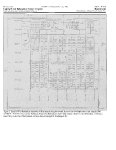
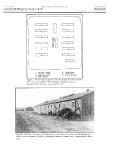
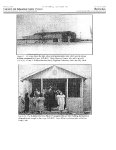
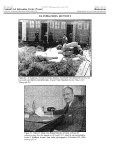
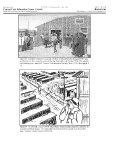
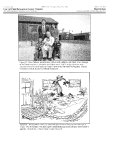
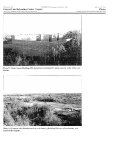
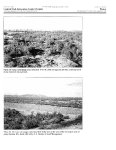
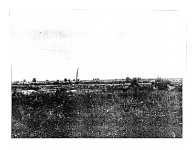
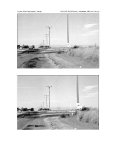
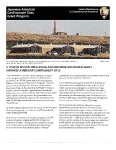
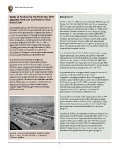
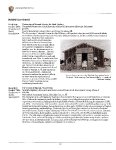
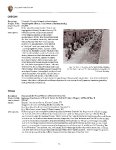
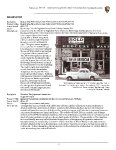
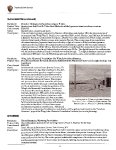
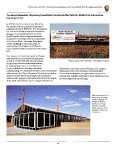
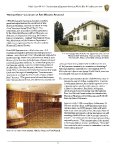
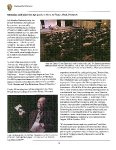
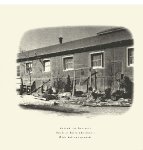
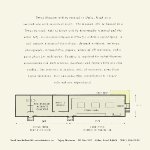
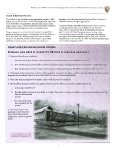
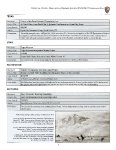
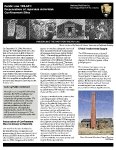
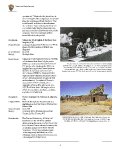
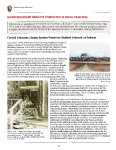
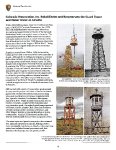
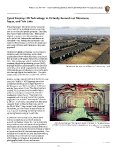
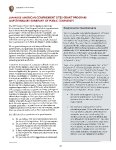
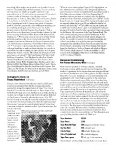
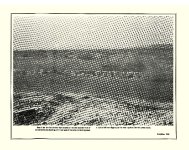
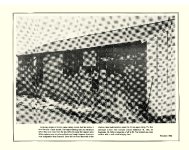
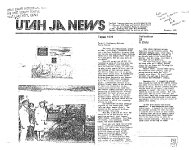
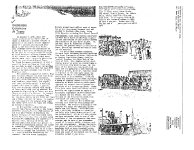
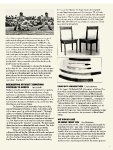
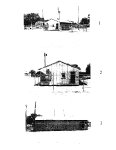
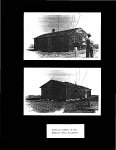
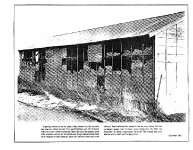
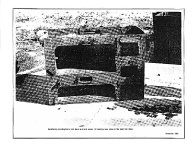
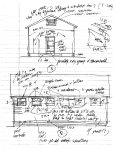
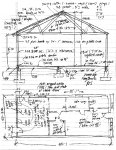
Show National Park Service Hawai1i Heritage Center Assesses Condition of Surviving Buildings at Honouliuli for Future Preservation In Hawaiian, Honouliuli means "blue harbor" or "dark bay." But to those interned there during World War II,Jigoku Dani, meaning "hell valley," was a more fitting name. Established in March 1943 in an isolated gulch on the island of O'ahu, Honouliuli was the largest of Hawai'i's confinement sites, though today it bears little resemblance to its use as an internment site 70 years ago. Although this history is evident in the property's more than 130 archeological sites, of its approximately 175 original buildings, only two remain. With the help of a 2011 NPS Japanese American Confinement Sites grant of $58,600, the Hawai'i Heritage Center evaluated the two buildings, both of which are in poor condition due to heat, encroaching vegetation, and water and termite damage. With the grant, Hawai'i Heritage Center hired Minatoishi Architects, Inc. of Honolulu to prepare an Existing Conditions Report. The study determined that the buildings, located immediately inside the front gate, most likely are a guard duty station, and a barrack used by the guards. The guard duty station (left) and barrack are situated at the entrance of the camp, just inside the main gate. Photo courtesy: Hawai'i Heritage Center - photo by David Franzen porch, and original roof have been removed and half of the original foundation exists. After the war, the building was used as a chicken coop. The Existing Conditions Report recommends that the guard duty station, which retains its integrity of design, be rehabilitated with limited reconstruction of a missing rear section. The barrack, on the other hand, lacks enough original material that reconstruction, the report concludes, is "the only feasible treatment." The barrack's walls, front Honouliuli, situated in a deep gulch between two large, agricultural fields, has limited access. But still, the landscape and remaining features, which include rock alignments, foundations, and parts of the sewer, water, and road systems, as well as the historic guard duty station and barrack, offer the potential "to provide a unique opportunity for increasing our understanding of the Hawaiian internment and other aspects of World War II history," the report states. The 122-acre Honouliuli site is listed on the National Register of Historic Places. In addition to the Existing Conditions Report, the Hawai'i Heritage Center prepared Historic American Buildings Survey (HABS) documentation of the two buildings, including photographs and measured drawings that will assist in their restoration and reconstruction. Finally, the project also included a fire protection plan and rehabilitation cost estimate for the guard duty station. The estimated cost for rehabilitating the building is $1,143,790. Termites and carpenter bees have eaten away at the wooden walls and floors of the guard duty station. Photo courtesy: Hawai'i Heritage Center - photo by David Franzen 28 |