| OCR Text |
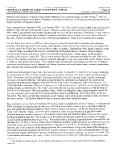
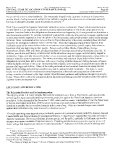
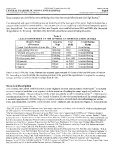
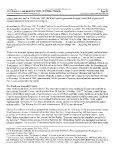
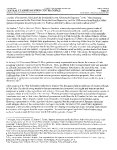
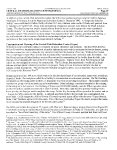
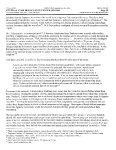
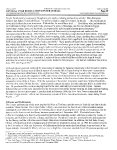
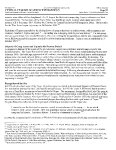
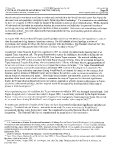
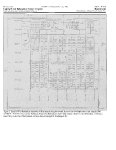
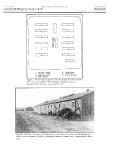
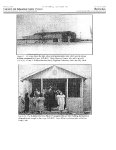
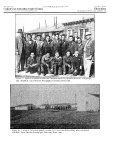
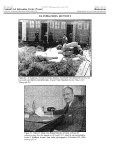
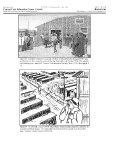
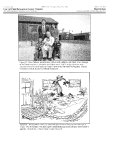
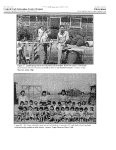
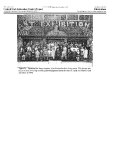
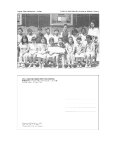
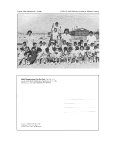
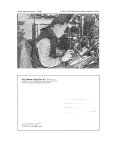
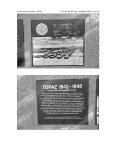
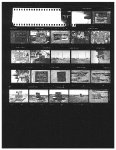
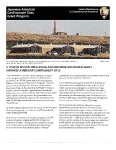
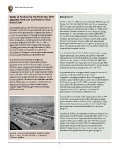
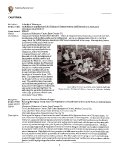
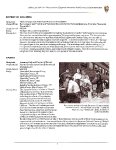
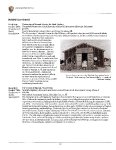
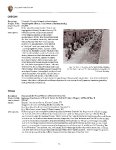
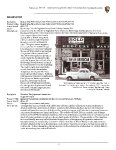
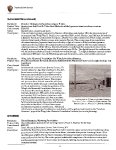
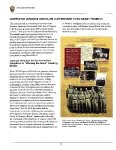
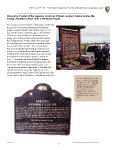
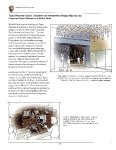
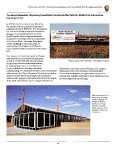
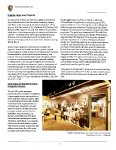
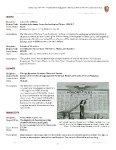
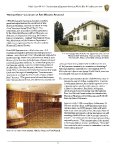
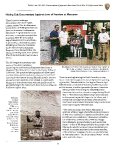
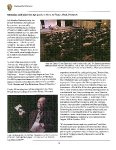
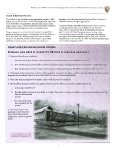
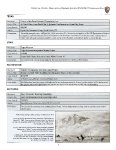
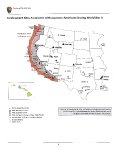
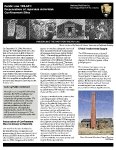
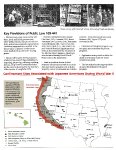
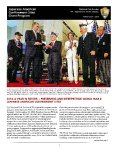
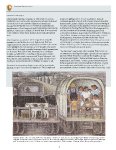
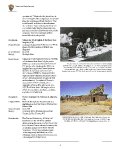
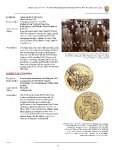
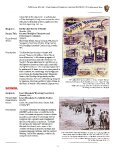
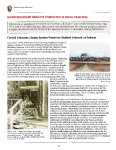
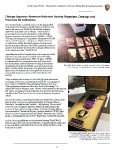
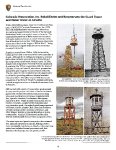
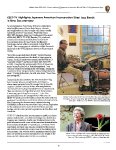
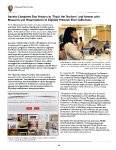
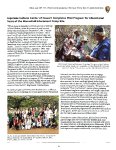
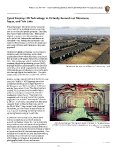
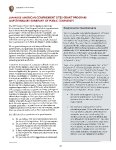
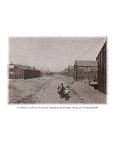
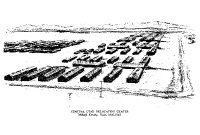
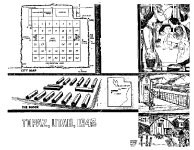
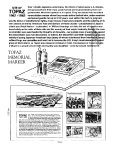
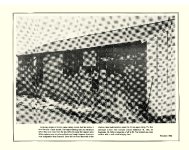
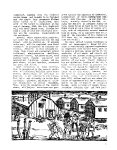
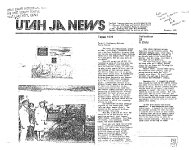
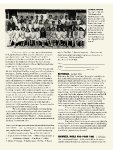
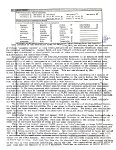
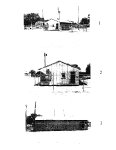
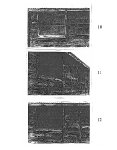
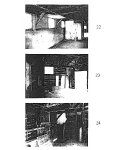
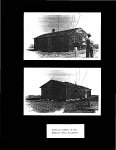
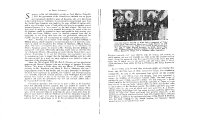
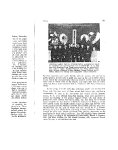
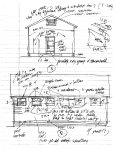
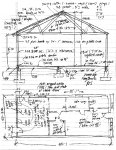
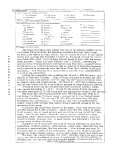
Show Public Law 109-441 - Preservation ofJapanese American World War II Confinement Sites National Japanese American Historical Society Develops Place-Based Database and "Why Do We Remember" Teacher Training with Two NPS Grants With a 2009 NPS Japanese American Confinement Sites grant of $18,568, the National Japanese American Historical Society (NJAHS) has completed a searchable database that integrates confinement site plans, architectural drawings, works of art, and artifacts from the ten War Relocation Authority "relocation centers." NJAHS partnered with the Department of Art and Architecture at the University of San Francisco (Seth Wachtel, Department Chair, and Dr. Lynne Horiuchi, Visiting Scholar) to develop the website as an interpretive tool that links these resources together - making connections that bring a richness that the plans, drawings and objects cannot individually convey. More than 230 artifacts, drawings, and plans are available to the public on the interactive website (www.njahs.org/ confinementsites/). Approximately one-third of the drawings and plans in the NJAHS collection were made publicly accessible by Jimi Yamaichi, a former incarceree who advocated for the preservation of the Tule Lake Segregation Center. Other maps and drawings were researched and scanned from the collections of the National Archives and Records Administration. With technical support from the University of San Francisco Gleeson Library, more images can be indexed and loaded onto the database in the future. Continuing its mission to share the Japanese American experience with a diverse community, NJAHS used a second Japanese American Confinement Sites grant of $85,200 that it received in 2011 to develop a curriculum to engage students in rigorous thinking about the Japanese American experience during World War II. Then, in partnership with Golden Gate National Recreation Area, NJAHS held a three-day training for 20 secondary school teachers from four areas: Los Angeles, Salt Lake City, Northern California, and the Pacific Northwest. Held at the Presidio of San Francisco, the training was titled "Why Do We Remember?: Teachers' Presidio Institute on the Japanese American Internment Camps-Historic Inquiry and Place-Based Learning." The teachers who attended the Presidio Institute then trained a total of 106 teachers at their regional sites, including at Manzanar, Tule Lake, Topaz, and Bainbridge Island. These teachers then trained an additional 150 teachers. The ripple effect has now reached more than 270 teachers, and it is anticipated that the current will continue. Teachers and National Park Service educators gather for a group photo during the three-day, 2012 summer institute. Photo courtesy: National Japanese American Historical Society TIle digit.llwUt'(tlon le.atw ed Ilt'le includes mIl."(' types oj ifllACi'S 11!1I.tillg 10 lhl.' WaJ. Heltx~t iOJl (\VllAJ Cenu"ls; I) J..Idlllt'(tuul dJd ..... UJ.gS, l) objffts, ,lIld 31 t'llb'llll.' t'ling pL.!m OII Il.ll'S lI1.1de oll ~Llt ed to the W&.\ Cenlt'IS. n\t.'~ iU1dgl's .ueplOvidt>d ~ d. 1t'l-eJJ (h ll'loOW{t' oj prim.uy &I J phk d<xulIM'lIt.ltion 01 lhr buill envuomnellts oj the WK.\ (elltetS 101 students, tt'.l( hels, 1t'I-e.ulhelS,.llI.d tht gomel ,u public To blOwse by WN.,.\ Ce ntel on the IllJP, diCk Oll .t ltd dot. R.lc<at;on P'''J«t s...... lou tton "'ap, 12131/19-11, IH pUI'tmOnt ctWa •. Wt'$I.." Otf"",. ( om"",,," . "11 Fou""''''my, Vh""" . e MI CO<lt7<II Ac:m' ....v ....., ". FromU'lf lhuoMI NCi'Wo'ShC_ l noAdm,n"trr.>o<> By clicking on a map of incarceration sites, users of the NJAHS website can connect to digitized plans, drawings, and objects from each specific site. Photo courtesy: National Japanese American Historical Society 23 |