| OCR Text |
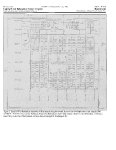
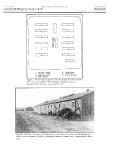
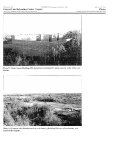
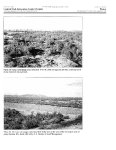
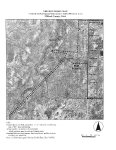
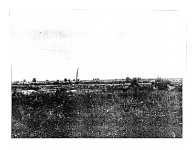
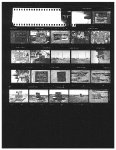
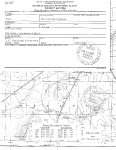
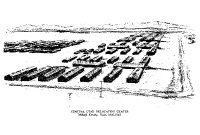
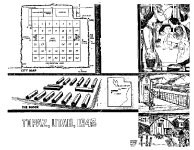
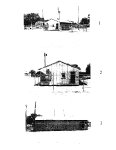
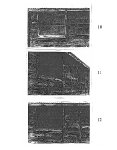
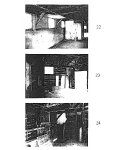
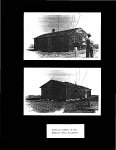
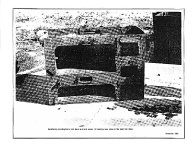
Show NPS Form 10-900 USDIINPS NRHP Registration Form (Rev. 8-86) CENTRAL UTAH RELOCATION CENTER SITE (TOPAZ) United States Department of the Interior, National Park Service OMB No. 1024-0018 Page 6 National Register of Historic Places Registration Form foundation types are readily identifiable (see Figure 20). At ground level, it is somewhat more difficult to obtain an overview of the layout of foundations due to the tall vegetation that covers much of the acreage and the extremely flat topography. Evacuee barracks, recreation halls, and most administrative buildings at Topaz did not have concrete foundations, but their locations are still evidenced at the site by a general absence of vegetation within the original building footprint. In some cases, the wood posts and pads on which barracks rested are still present (Photograph 4). The extant gravel path system within blocks (discussed below) also identifies building locations (Photograph 5). In addition to their central location, dining halls in the evacuee housing areas are recognized by their solid, rectangular slab foundations (Photograph 6), while laundry/latrine foundations can be located by their H-shaped, solid slab construction (Photograph 7). The warehouse area in the northwestern part of the site is readily identifiable by its twenty-one large concrete slabs (Photograph 8). The locations of guard towers on the periphery of Section 20 are evidenced by the groups of four concrete pylons that were used as piers for the towers' legs (Photograph 9). A low, stone wall southwest of the main entrance to the camp helps mark the location of the main U-shaped administration building (223, 224 and 223-A) (Photograph 10). The concrete slab foundation of the fire station (227) is located a short distance south of the main administration building (Photograph 11). Foundations of special building types also remain at the site. Buildings in the hospital area are distinguished by their raised concrete slab foundations offset along a central axis (Photograph 12). The remains of the boiler house (301) north of the hospital, are one of the most readily visible features at the camp. The projecting concrete walls of the coal bunker extend well above the greasewood (Photograph 13), while the slab foundation of the plant is adjacent to the east. The rectangular concrete slab foundation of the tofu factory (318) is clearly discernible east ofthe laundry foundation (Photograph 14). The sturdy concrete sewage pumping structure is a notable feature along the west side of Greasewood Way (Photograph 15). It pumped sewage through an underground conduit to the septic tank field to the west. Pedestrian Paths The system of gravel paths within blocks is still clearly evident (Photograph 16). The soil of the camp, which produced fine dust in dry weather and slippery mud in wet periods, necessitated the construction of surfaced walks. The paths connected barracks to the mess hall, recreation building, and bath/latrine building within each block. Short paths led to the doorways of each barracks. The gravel pedestrian paths extended to the edges of each block and connected to adjacent roads to facilitate movement between blocks. In a number of locations the paths have stone borders which extend for some distances (Photograph 17). In some places, "paver" stones have been used to create flat, surfaced areas adjoining the gravel paths (Photograph 18). Gardens and Other Landscaping In addition to the features such as pedestrian paths, evacuee-created landscaping within the residential blocks reflected a wide variety of design elements. Many features occupied areas between the barracks and the gravel pedestrian paths. Stones and decorative tree forms were brought to the camp and used to construct rock and flower gardens. Examples of ponds, fabricated with stones and concrete, still exist (Photographs 19 and 20). In Block 36 there is an evacuee garden plot surrounded with the remnants of a low wood picket fence (Photograph 21). In addition to landscaping in the housing blocks, decorative features were also installed around recreation halls, the civic center, other community buildings, and the administration area. The Buddhist Church site features a gravel path bordered by stones and a rock garden area with a number of large stones (Photograph 22). |