| OCR Text |
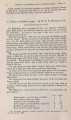
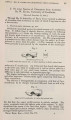
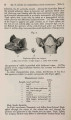
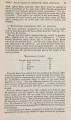
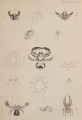
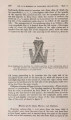
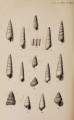
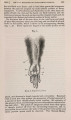
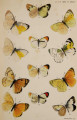
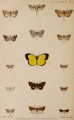
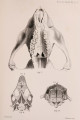
Show 1884.] LEPIDOPTERA F R O M K U R R A C H E E . 513 70. GOMALIA LITORALIS, n. sp. (Plate XLVII. fig. 4.) Kurrachee, July 1879, in the salt-marshes on the sea-shore. Allied to G. albofasciata, Moore. Larger, and more marked with white above; costa arched, very nearly straight; ground-colour similar. Fore wing with a deep short white band occupying the space at the end of the cell, marked with black on the inner side, the black colour continued in the form of a band to the hinder margin, forming an elbow at the larger end of the white band ; a black band near the base, edged with whitish ; a lunular white spot on the disk, with a small white spot near it above; a white streak running down from the costa near the apex ; costa greyish ; fringe of the wing alternate brown and grey. Hind wings with a white spot at the base, a broad white discal band, and a deep white sinuous fringe. Below, the indications of the white markings are similar, but there is a white band at the base of the hind wings instead of a spot, and the entire surface of both wings is of a suffused pale bronzy-brown colour, with all the markings suffused and indistinct. HETEROCERA. SPHINGIDJE. 1. ACHERONTIA STYX, Westwood, Cab. Orient. Ent. p. 88, pi. 42. f. 3. Kurrachee, July and August. Larvae feed on potato, jasmine, colia, Erythrina indica and Datura. Colour varies in accordance with the kind of food they are found on : those feeding on potato were of a bright canary-yellow, with seven violet stripes, those on jasmine were of a darker colour, and those found on E. indica and Daturq,were green with purple stripes. All produced the same kind of moth, without any visible difference in the shade of colouring or markings ; the larvae and moths both make the same peculiar clicking noise when disturbed. Length 4 to 5| inches. Larval stage 28 days ; pupal stage varies from 1 to 4 months. 2. DAPHNIS NERII, Linn. Syst. Nat. i. 2, p. 798, no. 5. Kurrachee, March, April, and May (1879-80). Reared by m e two years in succession (1879-80); larvae feed on leaves of wild oleander and on flowers of the cultivated double garden oleander, not touching the leaves of this kind; has three broods in succession. I have also found the larva at Poona on Tabernamon-tana and Coronaria ; the coloration of the moths at Poona is, however, much darker. 3. DEILEPHILA LIVORNICA, Hiibner, Sphing. p. 96, no. 5, pi. 12. f. 65, pi. 23. f. 112. Kurrachee, March and May (1879-80). 4. CHCEROCAMPA CELERIO, Linn. Syst. Nat. i. 2, p. 800, no. 12. Kurrachee, November and December. Larvae feed on Caladium ; there are three or four broods in sue- |