| OCR Text |
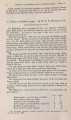
Show 1884.] LEPIDOPTERA FROM ADEN. 497 EURHIPIDJE. 58. EUTELIA DISCISTRIGA. (m5)Ha diS0itriga (sic)* Walker, Lep. Het. Suppl. iii. p. 823 Aden (Yerbury and Swinhoe). PLUSIID^E. 59. PLUSIA LIMBIBENA. Plusia limbirena, Guene'e, Noct. ii. p. 350, n. 1179. Aden (Swinhoe). Occurs also in Abyssinia. GONOPTERID^E. 60. COSMOPHILA XANTHINDYMA. Cosmophila xanthindyma, Boisduval, Faune Ent. Madag. p. 94, pi. 13. fig. 7. Cosmophila indica, Guene'e, Noct. ii. p. 396, n. 1256. Cosmophila auragoides, Guenee, I. c. p. 397, n. 1258. Cirradia edentata and variolosa, Walker, Lep. Het xi p 750 (1857). cf 2 9 Aden. ^ W e have this species from Madagascar, Natal, West Africa, Ceylon, and various parts of India and Australia. It is probably identical with Walker's Oirrcedia edentata from Tasmania, but, in m y opinion, does not quite agree with Cosmophila erosa of the N ew World, a constant character for separating which appears to obtain in the more deeply sinuous, more angular, and more narrowly fringed outer border of the primaries; it is also as a rule of a more lively colour, with the external half of the primaries of the male by no means so dark. 61. GONITIS SUBULIFEBA. Gonitis subulifera, Guenee, Noct. ii. p. 404, n. 1272 (1852). Aden (Yerbury and Swinhoe). This species was originally described from an Abyssinian example. 62. GONITIS PROPINQUA, sp. n. Closely allied to G. fractifera of St. Domingo, some varieties (the greyer ones) of which it closely resembles in size, colour, and, pattern, with the following exceptions :-It is usually greyer and darker; the palpi are more slender, though not quite so long; the reniform spot on the primaries is more oblique, the bb.ck dots within it being blurred ; the outer line of the central belt is much more irregular and bends more strongly outwards towards the inner margin; the inner margin of the primaries is shorter, thus equalizing the divisions from the angle of the outer margin ; the sinus above the angle is also deeper. Expanse of wings 38 millim. Aden (Yerbury and Swinhoe). W e have long had a worn example of this species from Abyssinia |