| OCR Text |
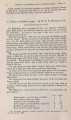
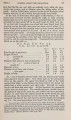
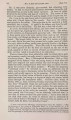
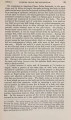
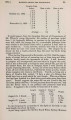
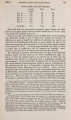
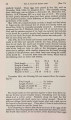
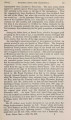
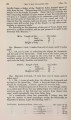
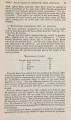
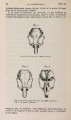
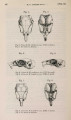
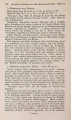
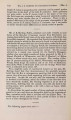
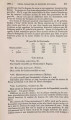
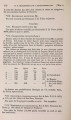
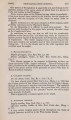
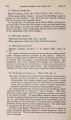
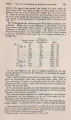
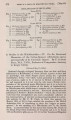
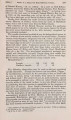
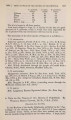
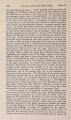
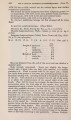
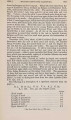
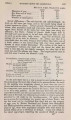
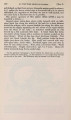
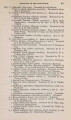
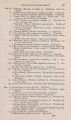
Show 1884.J MURID.E FROM CENTRAL PERU. 453 that the points of difference between them and H. laticeps are all such as are explainable on ordinary climatic grounds, supposing that their home is hotter than the places in which II. laticeps ordinarily lives. They are characterized by their dark rich rufous colour, apparently pure white bellies, though the hairs are slate-coloured at their bases, longer tails, bicolor for their proximal inch, proportionately longer hind feet, and larger ears. Their skulls are quite similar to those of the true H. laticeps. In this variety we have, so to speak, the commencement of a species, which appears to be gradually becoming differentiated from another common and widely-spread form, and which will possibly in the future become more and more distinct from its parent, as the individuals representing the intermediate stages die out, until it is itself worthy to rank as a separate species. [HESPEROMYS (ORYZOMYS) GALAPAGOENSIS, Waterh. Two skins of this species were obtained by M . Stolzmann at Tumbez in North Peru, but were not sent to me in time to be included in m y account of his collection. As the occurrence of this species on the mainland has not been hitherto published, I take this opportunity of recording the fact of its presence in Peru. There are also two specimens of it in the British Museum, collected by Mr. Fraser in Ecuador.] 4. HESPEROMYS (ORYZOMYS) LONGICAUDATUS, Benn. S. No. 6. a to c. Two specimens (a and b) from Amable Maria, 2000 feet, and one (c) without special locality. Head and Forearm Ear- Muzzle body. Tail. Hind foot, and hand. conch. to ear. a. $ .. 83 112 22*1 23*0 12*2 20*4 (?) e. 8- 84 100 23*0 23*6 11*0 21*0 Specimen c is of a much lighter colour than usual, and differs in certain other unimportant respects from ordinary H. longicaudatus, but may be considered for the present to represent only a pale variety of that species. 5. HESPEROMYS (ORYZOMYS) SPINOSUS, Thos. S. No. 7• a. Amable Maria, b. No special locality. Head and Forearm Ear- Muzzle body. Tail. Hind foot. and hand. conch. to ear. a 8 . 8 6 104 22*6 25*4 13*2 21*0 b. 8 -••• 8 4 97 22'4 24"6 n' 6 19"8 These specimens are in every respect like the types of this interesting species, described from M . Stnlzmann's collection. |