| OCR Text |
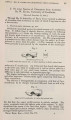
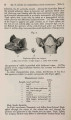
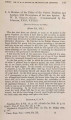
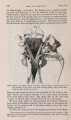
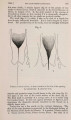
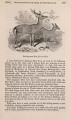
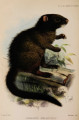
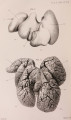
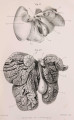
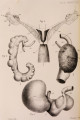
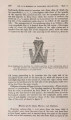
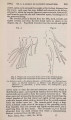
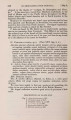
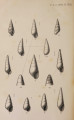
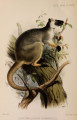
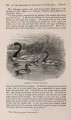
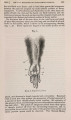
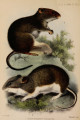
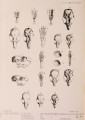
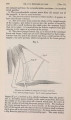
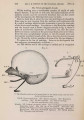
Show 250 MR. G. E. DOBSON ON CAPROMYS MELANURUS. [Apr. 1, The lumbar plexus (fig. 5) is remarkably simple, even more so than in Erethizon dorsatus l ; it is formed from the last three lumbar (the fifth, sixth, and seventh lumbar nerves) and the first sacral; as in E. dorsatus there is no connexion between the nerve from which the crural and obturator nerves are derived and the anterior root of the great sciatic; the anterior crural nerve (a.c) is formed by the junction of the fifth and sixth lumbar nerves, from which also the obturator nerve (ob) is given off; the great sciatic (s) is formed by the last (the seventh) lumbar nerve and the first sacral only. Iu the distribution of the nerves of this plexus no peculiarities are noticeable. To sum up, Q. melanurus, while differing so remarkably from C. pilorides in the absence of that subdivision of the hepatic lobes which has been described in the latter species 2, and in tbe presence of two pre-caval veins, resembles it closely in other respects in its visceral anatomy, and probably also in its myology, as the few notes available on the myology of C. pilorides agree with the writer's observations on that of C. melanurus. In their general anatomy both species show the close relationship which exists between this genus of Octodonlida and the genera of Hystricidce, indicating the near affinities of these two families of Hystricine Rodents. EXPLANATION OF PLATES. PLATE XVIII. Capromys melanurus, half natural size. PLATES XIX. & XX. Fig. 1,1a. Liver of C. melanurus, showing convex and concave surfaces. 2, 2 a. Liver of C. pilorides, showing corresponding surfaces, c, Caudate lobe ; g, gall-bladder; I, suspensory ligament; I.c, left central lobe ; l.l-l.l', left lateral lobe; r.c, rigut central lobe; r.l, right lateral lobe ; s, spigelian lobe. PLATE XXI. Fig. 1. Stomach of C. melanurus (natural size), dorsal surface, cc, Cardiac cul-de-sae ; d, duodenum ; oz, oesophagus ; py, pylorus. 2. Caecum, half natural size, co, colon ; i, ilium. 3. Proximal part of caecum (three fourths natural size) laid open, showing the ileo-caecal valve (c), and the position of tbe two patches (a, a') of agiuinated glands ; i, ileum ; co, colon. 4. Uterus and upper half of vagina, tbe latter (v), the os uteri (o. u), and part of the right and left cornua {c, c') are laid open ; on either side the mesometrium (m) with vessels, the ovaries (ov.), the open peritoneal capsules (cp) each traversed by the Fallopian tube {fp), and the ostium (indicated by a bristle, b) of the latter opening on the outer border of the peritoneal capsule, are shown. 1 Mivart, P. Z. S. 1882, p. 281, fig. 9. 2 It is therefore evident that the subdivided condition of the hepatic lobes into lobelets can no longer be considered characteristic of the genus Capromys. |