| OCR Text |
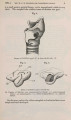
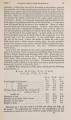
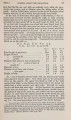
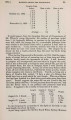
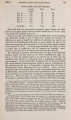
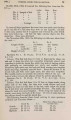
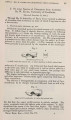
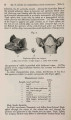
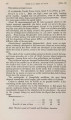
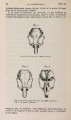
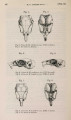
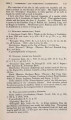
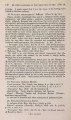
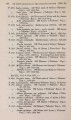
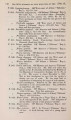
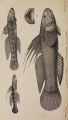
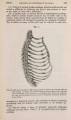
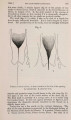
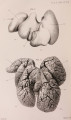
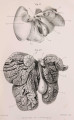
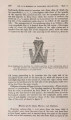
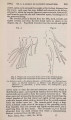
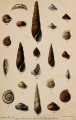
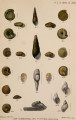
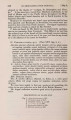
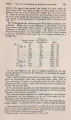
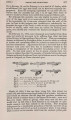
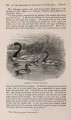
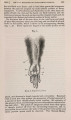
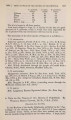
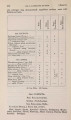
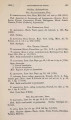
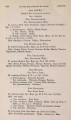
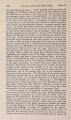
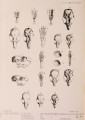
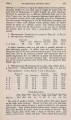
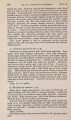
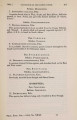
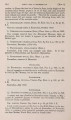
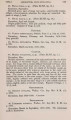
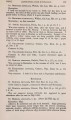
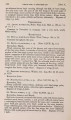
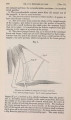
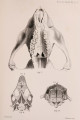
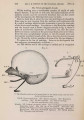
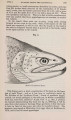
Show 1884.] AMONG THE SALMONIDAE. 377 65, in January 18, and in February 4, or a total of 87 deaths, while an additional 199 eggs were found not to have been originally impregnated. From the foregoing experiment we can draw the conclusion that the mortality was only 1 in 46 eggs, when those of mature Lochleven Trout were milted from immature Salmon-parr. But although this mortality was only slightly in excess of 2 per cent, of the eggs, such by no means gives a true index to the result of the experiment, for it was soon perceived that the milt of the parr (at least in this instance) was insufficient to satisfactorily impregnate the eggs of the Trout, in order to raise a strong and vigorous brood of alevins, while weak ones are useless for stocking purposes, even should they overcome the diseases and dangers of their youth. On February 15, 1884, some thousands were hatched from these eggs, but nearly all were seen to be suffering from what has been termed dropsy, or blue swelling of the yelk-sac. This non-contagious disease, as observed by Livingston Stone, is one for which no remedy is known, and concerning which he remarks no cause for its origin had been ascertained. Appearances led me to the belief that in this instance such must have been due to insufficient vitality in the young, a consequence of the imperfect fecundating power of the milt. In that such cannot be due to simply crossing these two forms, is evident from the 212 examples of hybrids between the male Salmon and female Lochleven Trout, and which are now in the octagou pond at Craigend, as I have observed upon. Fig. 1. Fig. 2. Fig. 3. Fig. 4. Fig. 5. Fig. 6. Salmo levenensis, 29 days old. , 43 days old. fontinalis J, Salmo levenensis $ , 27 days old. salar <$, Salmo levenensis $ , 27 days old. , , 41 days old. , , 91 days old. March 12, 1884, I first saw these young fish, then almost one month old, and their average length being 0*8 of an inch ; but what at once struck an observer was the large and pyriform umbilical sac, which seemed to anchor them to the bottom of the tank ; some were thus seen singly, others in groups, while every now and then one would start up and swim a short distance in an irregular or spasmodic manner, and then subside to the bottom. This dropsical enlargement in a considerable proportion of the fish was 0*35 of an inch in length, and 0*2 of an inch in diameter where it was widest, while it stood out in tolerable relief from the enclosed yellow yelk- |