| OCR Text |
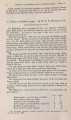
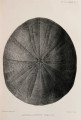
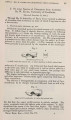
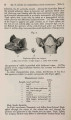
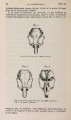
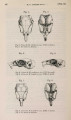
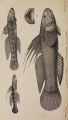
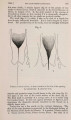
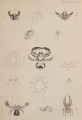
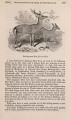
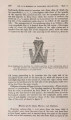
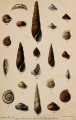
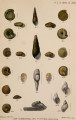
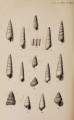
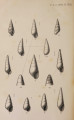
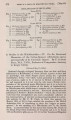
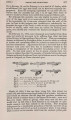
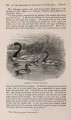
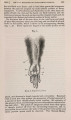
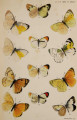
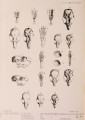
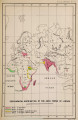
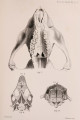
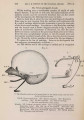
Show 172 COUNT S A L V A D O R I O N A N A S CAPENSIS. [Mar. 4, interorbital space. The length of the pectoral greater than the length of the head, and equal to the length of the caudal, which is more than one fifth of the total length. Dorsal fins not so high as the body. Colour yellowish, reticulated with brown, fins dusky; a dark spot above the axis of the pectoral. Total length 2 inches. Hab. Streams of Honolulu. One adult specimen (type). EXPLANATION OF PLATES. PLATE XI. Fig. 1. Sicydium plumieri, p. 156. 2. gymnogaster, p. 158. 3. pugnans, p. 160. PLATE XTI. Fig. 1. Sicydium brevifile, p. 158. 2. salvini, p. 159. 3. - - antillarum, p. 157. 4. stimpsoni, p. 166. 5. Tooth of Sicydium plumieri, p. 156. 6. „ S. gymnogaster, p. 158. 7. „ S. pugnans, p. 160. 8. „ S. tesniuvum, p. 161. 9. „ Lentipes concolor, p. 171. 10. ,, L. seminudus, p. 171. 2. Note on Anas capensis, Gm. By T. SALVADORI, C.M.Z.S. [Eeceived February 18, 1884.] (Plate XIII.) In a large collection of Birds from Shoa, sent to Italy by my friend the late Marquis Orazio Antinori, I found four specimens of a very fine Teal, with which I was not acquainted, so that I really congratulated myself on the idea of describing a most beautiful new species of the Duck-tribe. In this hope I was confirmed by the fact that the species before me was not mentioned in the very recent " List of the certainly known species of Anatidae," published by Dr. Sclater in 1880 (P.Z. S. 1880, pp. 496-536). But I was soon disappointed when, having carefully looked into the subject, I found that m y bird was an old species, first mentioned and described by Latham as "The Cape Wigeon," and afterwards named Anas capensis by Gmelin. Although an old species, evidently it is not a commonly known one, as in this case it would not have escaped Dr. Sclater's well-known carefulness. I found also that its history and even its proper name were involved in much confusion, that its geographical distribution was much wider than was supposed, and besides that the bird had never been figured, although Eyton tells us that Smith was intending to give a figure of it in his ' Illustrations of South African Zoology.' As said above, the first mention of the bird is in Latham's 'Synopsis,' where it is called "The Cape Wigeon." I do not |