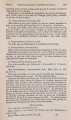
| OCR Text |
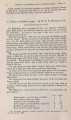
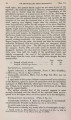
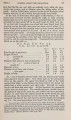
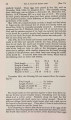
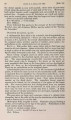
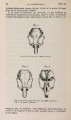
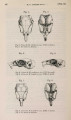
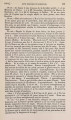
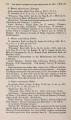
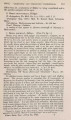
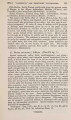
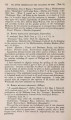
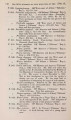
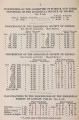
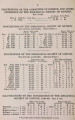
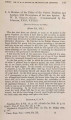
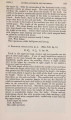
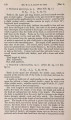
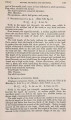
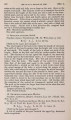
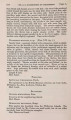
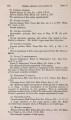
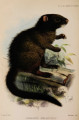
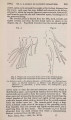
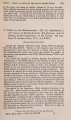
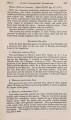
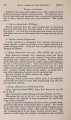
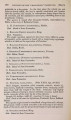
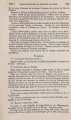
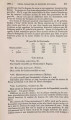
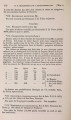
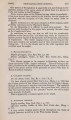
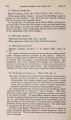
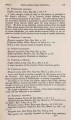
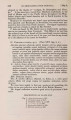
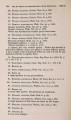
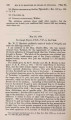
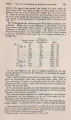
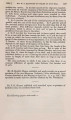
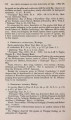
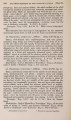
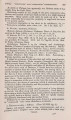
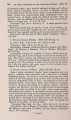
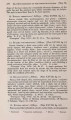
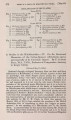
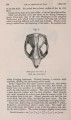
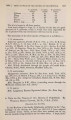
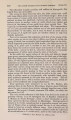
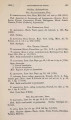
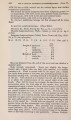
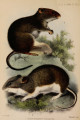
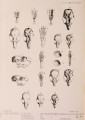
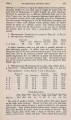
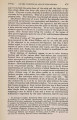
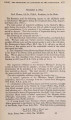
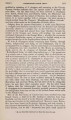
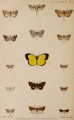
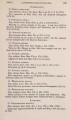
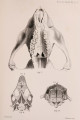
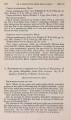
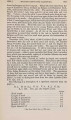
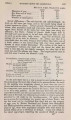
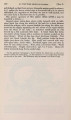
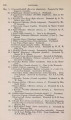
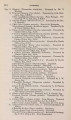
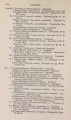
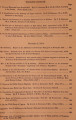
Show 454 MR. O. THOMAS ON A COLLECTION OF [June 17, 6. HESPEROMYS (CALOMYS) BIMACULATUS, LEPIDUS, var. n. (Plate XLII. tig. 2.) a to f. Six specimens. Junin. Head and Forearm body. Tail. Hind foot, and hand. a. 8 76 34 17*0 24*0 b. 8 77 .. 17*8 24*1 c. 8 70 38 17*5 22*3 d. 8 68 35 16*2 e. 2 71 38 17*7 22*8 /. 2 59 33 16*2 21*0 [Co-type of] HMmacula-i 58 50 16*2 20*4 tus 2 J Skulls. Total Basal Zygom. Molar Inc. to Palat. Palat. length, length, breadth, series, m1. length, foram. Of b. 8 23-9 21-9 1.3-5 3 6 6"0 11-9 ... e. 2 23*1 21-2 12-7 3-6 5-8 112 5*0 ^latuT011'} 23'4 •" 12'° 3'4 5'9 U'2 5'5 Waterh. Ear-conch. 14*5 14*5 13*7 12*5 14*0 12*2 , var. Muzzle to ear. 20*8 203 19*0 19*8 20*4 18*0 12*2] Interorb. constr. 4*0 4-0 Basal Lower axis. jaw. 71 131 71 130 39 ] Fur remarkably long, soft and silky. General colour dull fawn, somewhat darker on the centre of the back, through the intermixture of numerous long black hairs. Fur all over the body slate-coloured for three quarters of its length, the tips of the hairs yellow on the upper surface and pure white on the belly. Feet and tail wholly snowy white. Ears (Plate XLIV. fig. 12) very large, oval, without projection, covered inside and out with short, yellowish-brown hairs; laid forward they reach considerably beyond the anterior canthus of the eye. Tail uniformly hairy, the scales almost entirely hidden. Soles (Plate XLIV. fig. 13) hairy for their proximal two thirds, the pads small and crowded towards the distal end of the sole. Fifth hind toe (without claw) reaching to the middle of the first phalanx of the fourth. Claws very small, both before and behind, almost buried in the hair on the toes. Mammae 8-two pectoral and two inguinal pairs. Interdental palate-ridges five in number. Skull light and delicate ; frontal outline markedly convex ; supraorbital edges square, but not ridged. Interparietal very narrow antero-posteriorly, but stretching right across the skull. Palatal foramen longer than molar series. This variety may be distinguished from the true II. bimaculatus, Waterh.1, by its rather larger size, much longer and differently shaped ears (see Plate XLIV. figs. 12 & 14), its shorter tail, much longer fur, slate-mixed instead of pure-white belly, and by the entire absence of supraorbital ridges on its skull. Comparative measurements both of spirit-specimens and skulls are given above. There are in the collection six specimens of this fonn, which is interesting as belonging to the rare and little-known subgenus 1 P. Z. S. 1837, p. 10 ; Voy. ' Beagle,' Mainm. p. 43. pi. 12 (1839). |