| OCR Text |
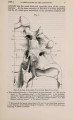
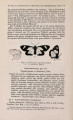
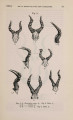
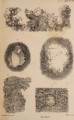
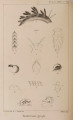
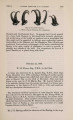
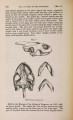
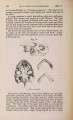
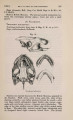
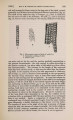
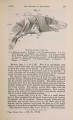
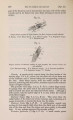
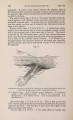
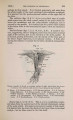
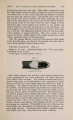
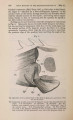
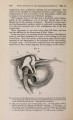
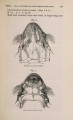
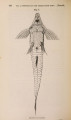
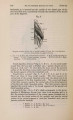
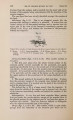
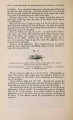
Show 604 PROF. W. H. FLOWER ON FOUR SPECIMENS [Dec. 9, The dimensions of this tooth are:-Entire length *4"; length of portion above the alveolar margin *25"; diameter at the base of the crown, iu either direction, *14". The specimen is deposited in the British Museum, along with a large series of skins and skeletons of the same species collected by Mr. Blanford. The following papers were read:- 1. Notes on four Specimens of the Common Fin-whale (Phy-salus antiquorum, Gray; Balcenoptera musculus, auct.) stranded on the South Coast of England. By WILLIAM HENRY FLOWER, F.R.S. &c. (Plate XLVII.) On the 20th of November last the crew of a fishing-boat belonging to Langston in Hampshire brought in the dead body of a large Whale, which they had found floating in the sea about fifteen miles from Havre. They succeeded in beaching the carcase near Fort Cumberland, at the entrance to Langston Harbour, about two miles east of Portsmouth. Hearing that it was being exhibited at this place, I went to see it on the morning of the 25th of November, and put down a few notes upon its external characters, which may be worth the notice of the Society, as it is only by recording all information which can be derived from every available example that an accurate history of these great Cetaceans can be obtained. Unfortunately the present specimen, in some respects, afforded even less information than usual, in consequence of the very advanced state of decomposition it was in. The cuticle had almost entirely peeled off tbe surface; moreover fish and sea-birds (with which the part of the carcase floating above the surface of the water was covered when first discovered) had committed ravages upon many parts of the superficial tissues; consequently the natural colour was completely destroyed, and the whole animal appeared of a uniform dirty yellowish white. It was therefore in much the same condition as the large Fin-whale stranded at Pevensey in November 1865, and described in the ' Proceedings' of this Society for that year, at page 699*. As far as could be judged by the external characters, it belonged to the same species. The animal was lying on the right side, which position enabled me to obtain a view of the blow-holes and also of the dorsal fin, which were not seen in the Pevensey Whale, and to obtain a pretty exact general outline of its form (see Plate XLVII. fig. 1). All zoological figures of large Whales must be looked upon in the light of compilations from various data, or as restorations from mea- * The skeleton of this animal is now in the Anatomical Museum of the University of Cambridge, having been, fortunately, secured in a perfect condition by Mr. J. W . Clark, the zealous curator of that excellent collection. |