| OCR Text |
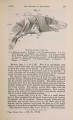
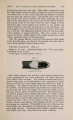
Show 388 DR. w. BAIRD O N MEGASCOLEX DIFFRINGENS. [May 27, North Wales, I have had several specimens of the same species worm forwarded to me from a similar habitat, viz. a stove-bed for hothouse plants in the garden of Lady Cullum, at Hardwick House, near Bury St. Edmunds, in Suffolk. I am indebted to the kindness of Mr. Maxwell Masters, editor of the ' Gardeners' Chronicle,' for the first intimation of the creature's existence in Suffolk; and since then, a letter from the intelligent gardener at Hardwick House, Mr. D. S. Fish, explains to me the particular localities in which he has found this worm, and gives some very interesting information with regard to its habits and manners. In his letter to me Mr. Fish says that he has known the worm for about twenty years, and that from its peculiar motions he has always called it the eel-worm. This name applies very well to its particular wriggling movements, and answers exactly to the description given by my first correspondent, Mr. Johnstone, of Machynlleth. Mr. Fish says, in the letter mentioned above, " I first made acquaintance with this worm, twenty years ago, at Glevering Hall, near Wood-bridge, in the eastern divisiou of this county. I have only met with it there and at this place (Hardwick House). It was found among tropical plants, and is limited in its range by the temperature. I have not found it among greenhouse plants, and it seems incapable of subsisting out of doors. It differs from other worms in the following particulars. At night it will come out and travel along bare walls and clean stones with great rapidity, and without apparent inconvenience. When disturbed it vanishes at once, and is thus difficult to destroy. Again, on turning out a plant infected with worms of the common sort, they are readily brought to the surface of the ball by tapping or vibrating the mass of earth. We imagine that the worms anticipate moles, and so rush to the surface to escape ; they thus become a ready prey to us. But these worms, unless seized at once, make for the centre of the ball the moment they are disturbed, and thus avoid detection and destruction. Again, you will observe they differ wholly in the rate and manner of their locomotion. They are also much more destructive. I cannot say that they eat the roots : I think not; but they speedily render the soil incapable of supporting them in health. They appear to eat out its centre stamina, causing it to undergo a species of putrefaction. They seem fonder than the common worm of getting down among the potsherds and crocks at the bottom of the pots, and they speedily work down among them to the complete destruction of the drainage. Lastly, the plants show signs of distress sooner under the infliction of these worms than any other. The roots decay, the leaves turn yellow, and the whole life becomes as it were paralyzed. It seems to affect their vitality somewhat as heart-disease affects animal life. Every vital function loses force ; and unless the worms are destroyed, the contest ends in the destruction of the plant. "It is most difficult to eradicate this worm. It is evidently of foreign origin and is far from common ; but once established it breeds rapidly in heat, and is not easily destroyed by the usual remedies of lime-water ke" Mr. Fish's supposition that this |