| OCR Text |
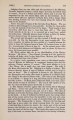
Show 366 MESSRS. S C L A T E R A N D SALVIN [May 27, Micrastur mirandollei, Scl. et Salv. P. Z. S. 1867, p. 759. Hab. Eastern Peru, Chyavetas (Bartl.); Rio Negro et Rio Brancho (Natt.) ; Barra do Rio Negro (Cast, et Dev.). This bird is most nearly allied to the preceding species, but is easily recognizable by its smaller size and slaty-grey upper plumage. The only example of it in this country is, as far as we know, the specimen obtained by Mr. E. Bartlett in Eastern Peru, noticed in our article, P. Z. S. 1867, p. 759. As already mentioned there, Sclater has compared the typical specimen of Astur mirandollii in the Leyden Museum with an example of v. Pelzeln's Micrastur macrorhynchus in the same collection, and has little doubt of their being identical. In the Paris Museum there is a specimen of this bird collected by Castelnau and Deville at Barra do Rio Negro. In its range this species appears to be restricted to the district of Upper Amazonia. 3. MICRASTUR RUFICOLLIS. Sparvius ruficollis, Vieill. N. D. x. p. 322, et E. M . iii. p. 1263; Puch. R. Z. 1850, p. 91. Micrastur ruficollis, Strickl. Orn. Syn. p. 122. Falco xanthothorax, Temm. Pl. Col. 92. Climacocercus xanthothorax, Burm. Syst. Ueb. ii. p. 85. Micrastur xanthothorax, Pelz. Orn. Bras. p. 7• Hab. S.E. Brazil (Burm.); S. Paulo (Natt.); Goyaz (St.- Hilaire). The adult of this species is well figured in Temminck's ' Planches Coloriees,' no. 92. It is easily recognizable by its deep rufous, almost chestnut breast. In younger specimens this colour is only partially apparent, and the bars on the belly are much wider apart; but in all stages we have seen the reddish-brown back is more or less persistent, thus distinguishing it from M. leucauchen. Our specimens of this bird are from Rio and Bahia. Natterer obtained it in the Province of San Paulo, and St.-Hilaire in that of Govaz. 4. MICRASTUR ZONOTHORAX. Climacocercus zonothorax, Cab. J. f. O. 1865, p. 406. Micrastur zonothorax, Scl. et Salv. P. Z. S. 1869, p. 253. Hab. Puerto Cabello ; Bogota. Dr. Cabanis has lately separated this bird as a northern representative of the preceding, stating that it differs in its larger size, stouter bill, and in the darker reddish-brown of the upper surface, also in having the red-brown on the lower surface confined to the throat and not extending over the breast. W e have not yet met with the adult of this species, but have referred to it a bird in immature plumage collected by Mr. Goering in the coast-region of Porto Cabello, which is the same district as that whence Cabanis's type specimens were derived. A second immature bird, in the collection of Salvin and Godman, is from Bogota. |