| OCR Text |
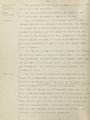
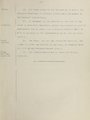
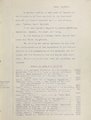
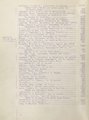
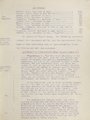
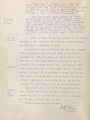
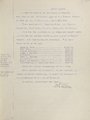
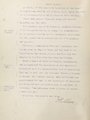
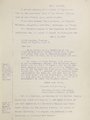
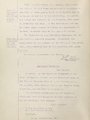
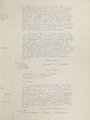
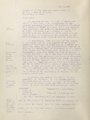
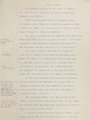
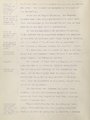
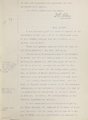
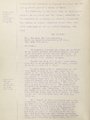
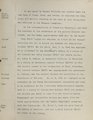
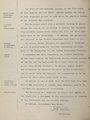
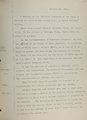
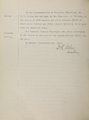
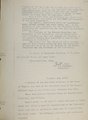
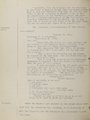
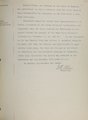
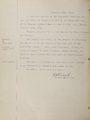
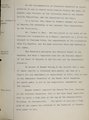
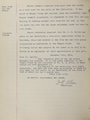
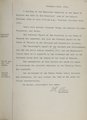
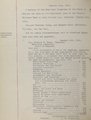
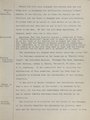
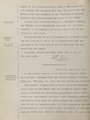
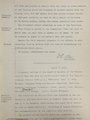
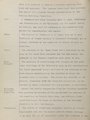
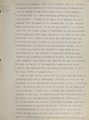
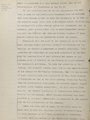
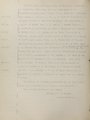
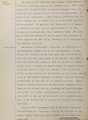
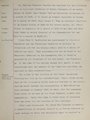
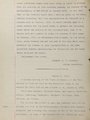
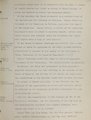
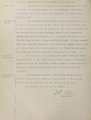
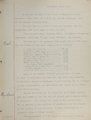
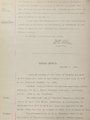
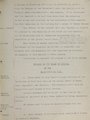
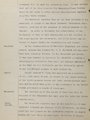
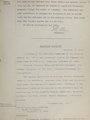
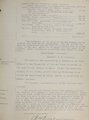
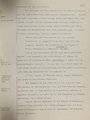
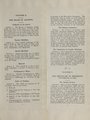
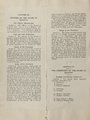
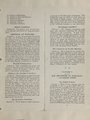
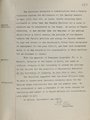
Show Faculty is acting within its province as here defined, its actions shall be effective without approval, unless an increase in the expense of instruction or administration is involved. Whenever such an increase is involved, the President shall report the action to the Board of Regents with his recommendations. No new line of work shall be established except by action of the Board of Regents, on recommendation of the Faculty and the President. The Faculty Committees. Section 2. With the approval of the Faculty, the President shall appoint, before the opening of the school year, such standing committees as the work of the University may demand. The following are hereby constituted standing committees of the Faculty: Appointments of Graduates, Arts and Sciences, Athletics, Catalog, Code, Commencement, Credits, Debating, Discipline, Education, Eligibility, Engineering, Entrance Examinations, Fraternities and Sororities, Graduate Work, Graduation, High Schools, Information and Publicity, Law, Library, Medicine, Program, Resolutions, tion of educational policy shall arise upon which immediate action is imperative, the Deans' Council may act upon this specific case according to its discretion. It shall, however, be the duty of this Council to report its action in any such case at the next meeting of the Faculty. The Administrative Council. Section 4. There shall be established an Administrative Council which shall be the direct medium of communication between the University Faculty and the Board of Regents. The chief purpose of this Council shall be to maintain a friendly understanding between the Faculty and the Board of Regents and thereby to secure more completely the rights of Faculty members and of the Regents. The President and the Deans and Directors of the Schools shall be ex-officio members of the Administrative Council, and the University Faculty shall elect by secret ballot from its own body members whose number shall be two more than the number of exofi‘icio members. Of the elected members, Scholar- one half shall be chosen for one year, and the ships, Secondary Training School, Social Gatherings, Student Affairs. Special committees may be appointed at any time as the Faculty or the President may deem wise. They must report to the Faculty remainder for two years. Their successors shall be elected for two years. A majority of all votes cast shall be necessary for election. The President of the University shall be ex-officio Chairman of the Administrative Council and its executive ofl‘icer. the progress of their work and any actions taken. Committees of the University Faculty shall act only within the limits placed upon them. The committee work required of the teaching staff shall be made as light as possible. Any member of the Faculty, who feels un- willing to serve upon a committee, may be excused by stating his desire to the Presi- dent. The Deans' Council. Section 3. The Deans Council shall con- sist of the President, or the Vice-President, the Deans or Directors of all the Schools, and the Secretary of the Board of Regents. This Council shall act in the capacity of adviser to the President. It shall have general charge of routine administration and shall have jurisdiction in all matters of discipline. It shall not exercise legislative functions in any matters involving educational policy, but if any specific case which involves a new ques17 The Administrative Council shall have full access to the minutes of the Board of Re, gents, to the books of the Secretary, and to any other information within the keeping of the University or any of its departments. The President shall inform the Council of proposed new appointments, removals, resignations, or changes in rank of members of the teaching staff, and the Council may transmit its views to the Faculty Relations Committee of the Board of Regents. Should differences arise between members of the Faculty or between the President and any member or members of the Faculty, or between the President and any member or members of the University staff, the matter may be referred by those concerned to the Administrative Council, in which event the Council has full right to investigate the matters in question and. if thought best. to make recom- mendations to the Board of Regents through 18 |