| OCR Text |
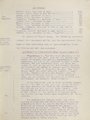
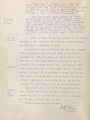
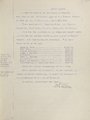
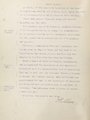
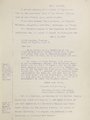
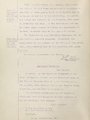
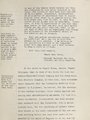
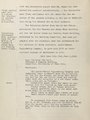
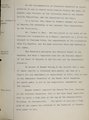
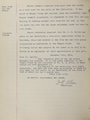
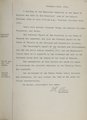
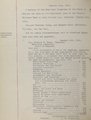
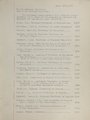
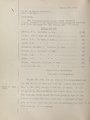
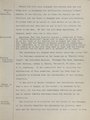
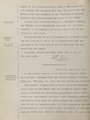
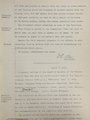
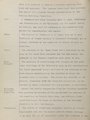
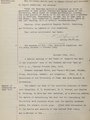
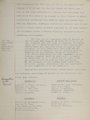
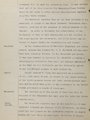
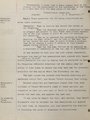
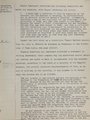
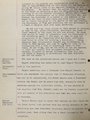
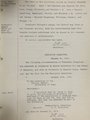
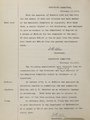
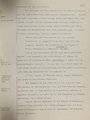
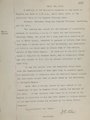
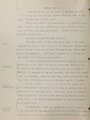
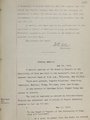
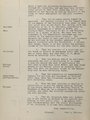
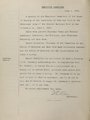
Show lvAnswers .fl'to E Lovejoy Question 5. Has it hitherto been the policy'd the Board of Regents usually to sustain recommendations of the President without inquiry, even when these recommendations involve charges against the professors? Questions 71:"??- Answer 5. No. Not even in one instance (except as _ . 41.3.; ‘ :F‘ above noted) has the policy suggested in this question been followed.‘ Question 4. If so, is it the purpose of the present Board to adhere to this policy in the future? Answer. No such policy has ever been followed. Question.5. When Dr. Kingsbury, at the Regents' meeting of March 17th, 1915, presented his recommendations that Dr. Knowlton be not reappointed, did the President at that time tell the Board that he would resign the presidency of the University if this recommendation were not adopted? Answer 5. the facts. The question is based on a misconception of At the Regents' meeting of March 17th, President's recommendations did not Knowlton. include 1915, the name the of Dr. That time he did not say he would resign if Dr. Knowlton were employed. The following are the facts: The President stated to the Regents and to a committee prior to the meeting of March 17, 1915, that if the Board considered it best to retain Dr.Knowlton and Associate Professor Wise, he, President Kingsbury, would submit his resignation: that he would not remain as President with Dr. Knewlton and Professor Wise or either of them in the instructing force. At the meeting of the Regents of March 17, this status of affairs was known by the Board. 1915, This is the first time in about 25 years that a President of the school has offered to resign in the event that his recommendations as to the personnel of the Faculty were not followed. Question 6. Did Dr. Kingsbury, on the same occasion, declare to the Beard that he would resign if his recommendation respecting the so-called demotion of Professors xer- shall and Reynolds, and the appointment of Lr. Widtsoe were not adopted? |