| OCR Text |
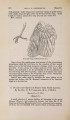
Show 1874.] LARKS OF SOUTHERN AFRICA. 639 Megalophonus apiatus, Bp. Consp. i. p. 244 (1850); Layard, B. S. Afr. p. 215 (1867); Gray, Hand-1. B. ii. p. 122 (1870). Adult. Above cindery grey, with concealed bars of cinnamon rufous and black on most of the dorsal feathers, as well as all the wing-coverts ; head uniform with back, much crested, the feathers blackish in the centre of the plumes, which are also minutely spotted with rufous ; hind neck cindery grey, separating the head from the back ; quills dark brown, margined with rufous, the inner secondaries with grey like the back, the innermost washed with rufous and crossed with narrow transverse black lines ; tail dark brown washed with cindery grey, and tipped with white, the outermost feather broadly edged with fulvous extending over a great portion of the inner web obliquely towards the tip, the centre feathers slightly washed with rufous and minutely barred with blackish in an irregular manner, besides a few spots of the latter here and there; loral feathers minutely tipped with white, and behind the eye a small streak of buffy white ; ear-coverts light rufous, inclining to blackish on their hinder margin ; rest of the sides of the face light fulvous thickly speckled with blackish; throat whitish, with a few scattered spots of blackish brown ; rest of under surface ashy fulvous, the feathers being all broadly margined with this colour, and thus obscuring the pale fawn-colour of their bases, the breast thickly spotted with large triangular marks of dark brown, and on the flanks a few narrow lines of dark brown; the under tail-coverts minutely spotted with dark brown; under wing-coverts fawn-colour, except the outermost, which are washed with ashy brown, like the greater series and the entire inner lining of the wing. Total length 5 inches, culmen 0*55, wing 3*0, tail 2*2, tarsus P0. Hab. Confined to the Cape colony. The full-plumaged specimens before me of this Lark have not their dates of capture attached; but I believe that I have both winter and summer plumages represented, thus disposing of the idea that M. apiata can be the winter plumage of M. rufipilea. I therefore append short comparative characters of the two states, the specimen described being in what I consider full winter dress. Summer plumage. Upper surface dark brown, the rufous obscure and the grey shade strongly marked only on the lower back and secondaries. Head dark brown, with scarcely any grey shade or rufous markings. Hind neck scarcely lighter than the head or back. Wing-coverts ending in a rufous tint, with no perceptible grey margin. Winter plumage. Upper surface grey, the rufous colour in broad and half-concealed bands. Head entirely grey, mottled with blackish centres to the feathers, and slightly washed here and there with rufous. Hind neck very clear grey, paler than head or back. Wing-coverts with a broad whitish grey margin. |