| OCR Text |
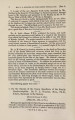
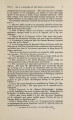
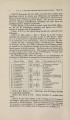
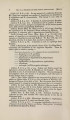
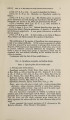
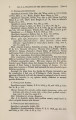
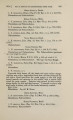
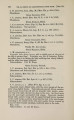
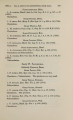
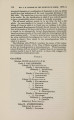
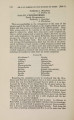
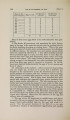
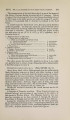
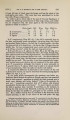
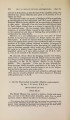
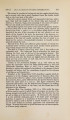
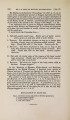
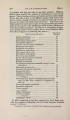
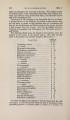
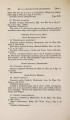
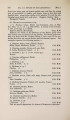
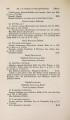
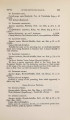
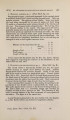
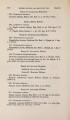
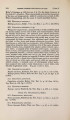
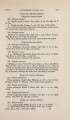
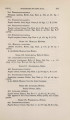
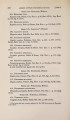
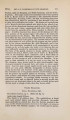
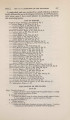
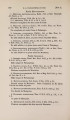
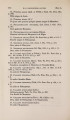
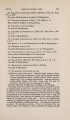
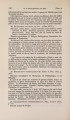
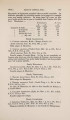
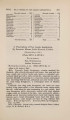
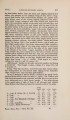
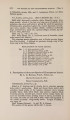
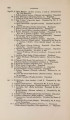
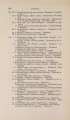
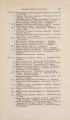
Show 1874.] MR. HUDSON ON THE MOLOTHRI OF BUENOS AYRES. 153 1. Notes on the Procreant Instincts of the three Species of Molothrus found in Buenos Ayres. By W . H. H U D SON, C.M.Z.S. [Eeceived January 9, 1874.] About three years ago I wrote two letters to the Secretary on the habits of the various species of the genus Molothrus found in this country. Since that time I have continued m y observations on these interesting birds, and have now great pleasure in submitting to the Society the following notes regarding their procreant instincts. I. " Mistakes and imperfections " of the instinct of Molothrus bonariensis.- 1. The M. bonariensis frequently wastes its eggs by dropping them upon the ground. 2. They also occasionally lay eggs in old forsaken nests : this I had often observed ; and, to make assurance doubly sure, last summer I fixed several old nests up in trees and bushes, and found that eggs were laid in them. 3. They also frequently lay in nests where incubation has actually begun. When this happens the egg of the M. bonariensis is lost if incubation is very far advanced ; but if the eggs have been sat on three or four days only, then the parasitical egg has a good chance of being hatched, and the young bird reared along with its foster-brothers. I have often found nests of the Yellowbreast (Pseudo-leistes virescens) and of the Scissor-tail (Milvulus violentus) containing fledged young of both species. 4. One female will often lay several eggs in the same nest, instead of laying but one, as does, according to Wilson, the Molothrus pecoris of North America. I conclude that this is the case from the fact that in cases where the eggs of a species vary considerably in form, size, and markings, each individual of the species lays eggs precisely or nearly alike. So when I find two, three, or four eggs of the M. bonariensis peculiar in form and size, also alike in coloration and disposition of spots, in one nest, and yet, in half a hundred eggs out of other nests, cannot find one to match with them, it is impossible not to believe that the eggs found together, and possessing so strong a family likeness, were laid by the same bird. 5. Several females often lay in one nest; so that the number of eggs in it frequently makes incubation impossible. It occurred to me this summer (December 1872) to count the eggs of M. bonariensis in several nests, in order to ascertain the average number deposited in each nest-thence the wasted eggs; for more than one bird is seldom reared. I obtained ten nests of Milvulus violentus and give the result (see page 154). It is worthy of remark that the Milvulus lays in October or early in November, and rears but one brood in the season; consequently these ten nests, obtained late in December, are of birds whose first nests had been lost. Probably three fourths of the lost nests of the Milvulus are abandoned in consequence of the confusion caused in them by the Molothrus bonariensis. PROC. ZOOL. S O C - 1874, No. XI. 11 |