| OCR Text |
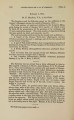
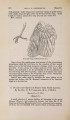
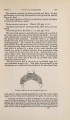
Show 62 MR. E. C. REED ON CHILIAN COLEOPTERA. [Jan. 6. ANISOTARSUS CHILENSIS, Dej. iv. p. 294 (Harpalus). This species, which varies much in colour, is common in Valdivia. ANISOTARSUS AMCENUS, Sol. I. c. p. 260 (Harpalus). ANISOTARSUS RUFUS, Brulle, D'Orb. Voy. Ins. p. 35 (Anisodac-tylus). Chilian specimens agree with those from the Pampas, except that the thorax is less rounded on the sides, and the row of punctures on the third, fifth, and seventh interstices is less distinct and regular. Although the mentum has a distinct tooth, and the soles of the tarsi are " spongiose," this species cannot be an Anisotarsus, its head having the form of that in Geopinus and allied genera. I do not propose a new generic name, in the doubt whether it may not belong to the little-known genus Cylloscelis of Curtis. LECANOMERUS MARGINATUS, n. sp. Nigro-piceus, nitidus, elytris aneo-tinctis ; palpis, antennis pedi-busque fiavotestaceis; thoracis margine exteriore elytrisque margine lato posteriore rufescentibus; thorace elytris dimidio angustiore, subquadrato, postice vix angustato, angulis rotundatis, supra lavi, foveolis latis vix impressis; elytris postice paulo dilatatis, ante apicem sinuatis, subtiliter striatis, striis suturali, octava et nona per totam longitudinem, cateris apice solum, impressis. Long. 3 lin. 6 $ • 1 Nemaglossa brevis, Sol. I. c. p. 215. This species agrees very well with Solier's description of his Nemaglossa brevis; but the generic characters he gives are quite at variance with our insect. He describes the ligula as very narrow, and the paraglossae as broad and attached to it; but the ligula of the species above described is elongate-quadrate, and the paraglossae are narrow and spring from the lower part of the side of the lingua, curving away from it. The only structural difference I can find between our species and the type of the Australian genus Lecanomerus is the rather larger basal joint of the anterior tarsi in the male. In the mode of dilatation of the second and third joints of the four anterior tarsi, their clothing, the form of the palpi and mentum, and in the facies of the species there is the greatest similarity. Occurs in Southern Chili, but is by no means common. TRACHYSARUS, nov. gen. (Tpayvs, rough, aapos, brush). Four anterior tarsi of the male with four joints moderately dilated, the fourth subbilobed, and all furnished beneath with a brush of coarse scaly hairs, not arranged in pairs as in the true Harpali, nor as a fine even brush as in the Anisodactyli. Palpi, terminal joint fusiform, attenuated and truncated at the apex, not hairy, except a |