| OCR Text |
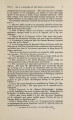
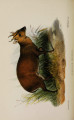
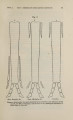
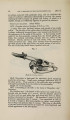
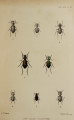
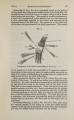
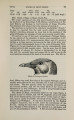
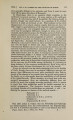
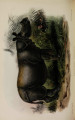
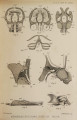
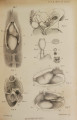
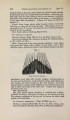
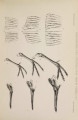
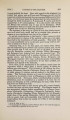
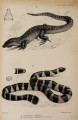
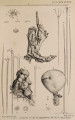
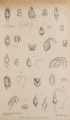
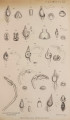
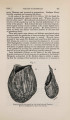
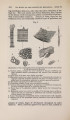
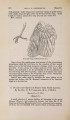
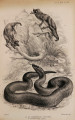
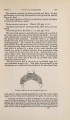
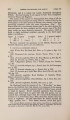
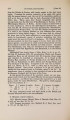
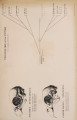
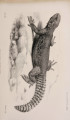
Show 1874.] FROM THE CAMAROONS. 443 The colour is a mixture of yellow, greenish, and black; the first predominates on the body, the second on the legs and tail, and the last on the head. The largest specimen of this very extraordinary species is 9 inches, of which the tail takes 4 inches. RHAMPHOLEON SPECTRUM. (Plate LVII. figs. A, A'.) Chamaleo superciliaris*, Buchholz, Berlin. M B . 1874, p. 81 (nee Kuhl). Chamaleo spectrum, Buchholz, I. c. p. 298, figs. 5 & 6. The tail of this species is unusually short, being only one third of the total length in the male and one fourth in the female. It is very much thickened for two thirds of its length in the male, leaving only the terminal third prehensile. Otherwise there is no difference between the sexes, both sexes having a very short, soft, granulated, rostral appendage. The eyebrows are produced into a short, triangular, flexible, horn-like prominence, the two horns being connected by a transverse ridge which crosses the concave forehead. N o dorsal crest, which is replaced by a series of very small tubercles, each formed by a group of enlarged granules, these prominences being more distinct on the tail than on the trunk. Occiput without prominent ridge or lobe ; body covered with extremely small granules, a few of which are somewhat larger than the others. In the female the throat and lower side of the tail are provided with rather numerous conical tubercles. The tail is so short that it can serve as a prehensile organ in a very subordinate manner only. This defect is compensated by the development of an additional sharp denticle at the inner base of each Profile of left fore foot of Eampholeon spectrum. claw, and of a spine vertically projecting from the flexor side of each finger and toe, which must immensely strengthen the power of the * Chamceleon superciliaris is confined to Madagascar; two of the three specimens in the British Museum aro from that island; the locality of the third (typical) specimen is not known. Three weeks after the present communication had been sent to the Society, I received through the kindness of Prof. Peters an early separate copy of Dr. Buchholz's second paper on these Chameleons, in which, however, only the superficial characters of this interesting form are noticed. 2 9* |