| OCR Text |
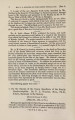
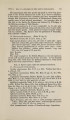
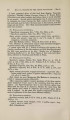
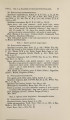
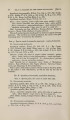
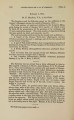
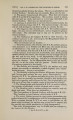
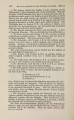
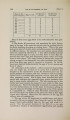
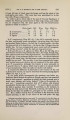
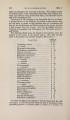
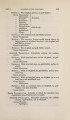
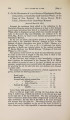
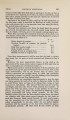
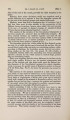
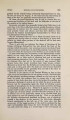
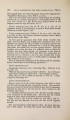
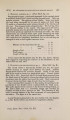
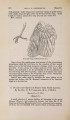
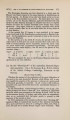
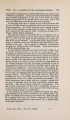
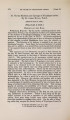
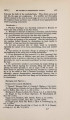
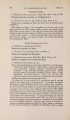
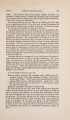
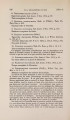
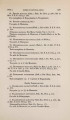
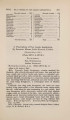
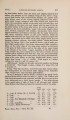
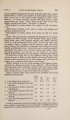
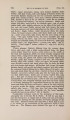
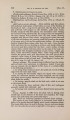
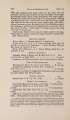
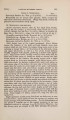
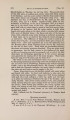
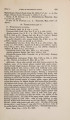
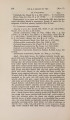
Show 1874.] LARKS OF SOUTHERN AFRICA. 621 all the feathers of the upper surface distinctly streaked with blackish centres to the feathers, a little less plainly pronounced on the upper tail-coverts, but very distinctly on the upper wing-coverts; greater wing-coverts brown at base, broadly margined with rufous, rather lighter and more fulvescent than the back ; primary coverts and quills ashy brown narrowly margined with rufous, the secondaries very broadly bordered, and the centres to these feathers shaded with clear grey; tail-feathers brown, narrowly margined with pale rufous, the centre ones shaded with grey, the outermost feather rather more broadly bordered than the other feathers, especially at the tip ; from the nostril a distinct eyebrow, buffy white; lores also buffy white, slightly mottled with blackish ; ear-coverts light rufous ; cheeks and throat white, with a few scattered spots and tiny bars of black ; rest of under surface isabelline fulvous, the flanks tinged with vinous ; the breast broadly and distinctly streaked with black, becoming more obscure on the sides of the body and flanks, the under tail-coverts rather more rufescent, with dark brown centres to the feathers; under wing-coverts pale isabelline, excepting the small plumes near the edge of the wing, which are brown, with broad whitish edgings; inner lining of wing ashy brown, tinged with isabelline near base of inner web ; "bill pale sienna-yellow, tinged with flesh-red, the upper mandible towards its base and its point shaded with pale reddish-brown ; legs and toes pale sienna-yellow, tinted with flesh-red; claws brownish red; iris brown" (Sir A. Smith). Total length 7 5 inches, culmen 0*8, wing 3-65, tail 3-35, tarsus 1-05. The description is taken from a specimen collected by Mr. T. C. Atmore at Hope Town, which seems to be in full plumage. I have before m e three other sexed females, of which 1 give the principal measurements:- Long tot. culm. al. caud. tars. in. in. in. in. in. 1. 2, Hope Town (T. C. Atmore).. 7'3 0-75 375 3*2 105 2. $,Griqualand(T. C. Atmore).. 6*9 08 3*75 3*2 P0 3. 2, Objimbinque(C.J.^»rf<?r*«on)6 9 0*8 3*7 3*05 PI The above measurements are sufficient to show how worthless are the small differences in size of bill and tarsus where Larks are concerned. The last specimen measured is in winter plumage ; and this differs so much from the summer dress as almost to appear to belong to another species. It is much paler and more mealy than the plumage described; and the characters of the two seasonal dresses may thus be illustrated in a tabular form. Female (summer). Female (winter). Upper surface clear vinous Upper surface sandy isabelline, brown, with distinct black stripes, with fulvous margins to most of the dorsal feathers ; head and interscapulary region with small black shaft-stripes. |