| OCR Text |
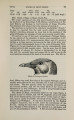
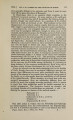
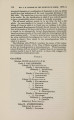
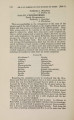
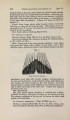
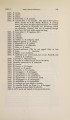
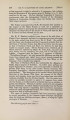
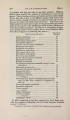
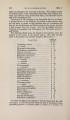
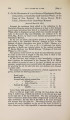
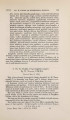
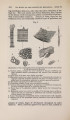
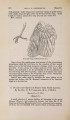
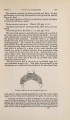
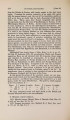
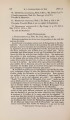
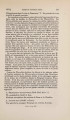
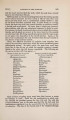
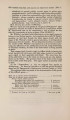
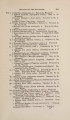
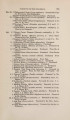
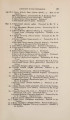
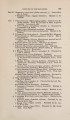
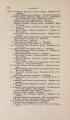
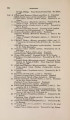
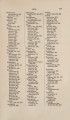
Show 1874.] ANATOMY OF THE COLUMBA. 257 ossification in the Nicobar Pigeon (Caloenas nicobarica) has already attracted attention*. In Carpophaga the stomach is very feebly muscular, not being more powerful than in strictly fruit-eating birds, such as the Hornbills. It is in the genus Ptilonopus that a form of gizzard is developed such as is not found in any other bird. In P. maria, P. melanocephalus, and P.jambu it is exactly the same, being composed of four pads instead of two. A horizontal section of an ordinary gizzard presents the well-known section represented in fig. 2, b, it being composed of two muscular masses, which push the two pads together in a manner which I have explained elsewhere f. But in Ptilonopus the section is much more elaborate, in a direction to which no other gizzard is known to approach ; so that by the gizzard alone the genus whence it came could be determined with certainty. The accompanying figure (a) represents the section made exactly in the Fig. 2. a b Horizontal section of the gizzard of:-a. Ptilonopus jambu; b. Treron calva. same direction as in the former case; and from it the four longitudinal muscular masses, which are here seen cut across, are well displayed, leaving a cruciform cavity between them, through which the food passes whilst being triturated. This gizzard is small in proportion to the size of the bird. No approach to a like condition is to be observed in Treron, the section of the gizzard in that genus being quite of the ordinary form figured above. It is generally said that the gall-bladder is absent in the Columbee ; and this is so in most of them ; but besides being developed in the Pteroclidee, it is found in all the species of Ptilonopus, Lopholamus, and Carpophaga. In this point also Ptilonopus therefore differs from Treron. The following Table contains the names of the different genera of the Columbae arranged in the manner suggested above. As a classification of the suborder it is not at all m y desire to put it forward as an ultimate one, but simply as the expression of the known facts of * See Prof. Flower's observations, P. Z. S. 18G0, p. 333, and Mr. Bartlett's note, ib. p. 99. t P. Z. S. 1872, p. 525. |