| OCR Text |
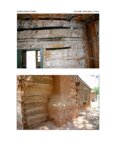
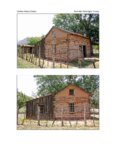
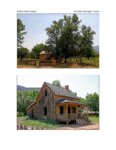
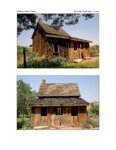
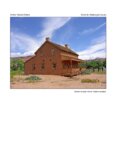
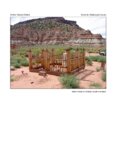
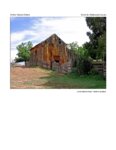
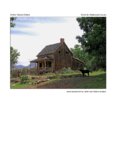
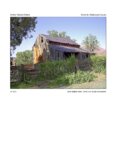
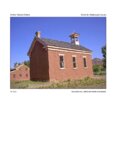
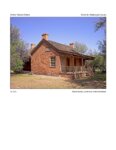
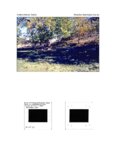
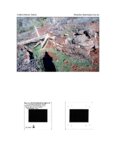
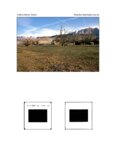
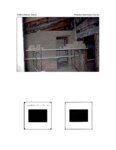
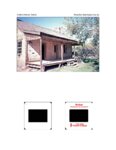
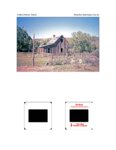
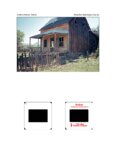
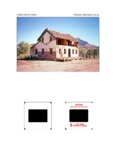
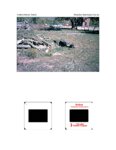
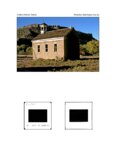
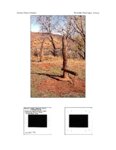
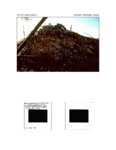
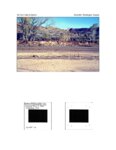
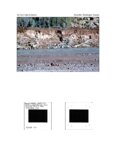
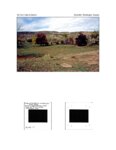
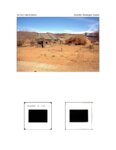
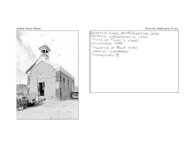
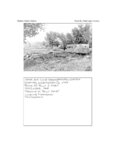
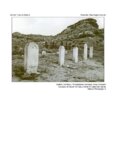
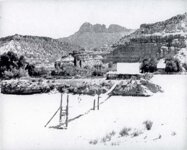
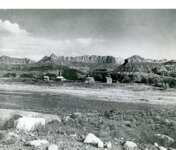
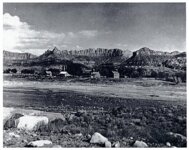
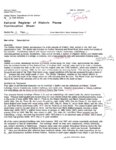
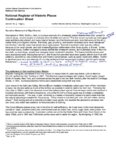
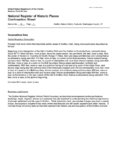
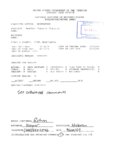
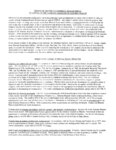
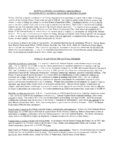
Show OMS No. 1024-0018, NPS Form United States Department of the Interior National Park Service National Register of Historic Places Continuation Sheet Section No. § Page 1 Grafton Historic District, Rockville, Washington County, UT Narrative Statement of Significance __+H' ~ S!.~~\~ ~ Abandoned in 1945, Grafton, Utah, is a unique example of a nineteenth century~ that, except for <~ natural decay, remains largely unchanged since its settlement period. 4 The few remaining buildings have l.lIDlSf- "7 been architecturally altered, and many original fences mark the historic property lines that surround the still A . visible fields and irrigation ditches. Electricity, gas, plumbing, and modern amenities were never introduced into Grafton,5 and the roads that remain were never paved. Survival in southern Utah was very difficult because of the harsh climate, and mid-ninetee~e"tury settlements either failed quickly or thrived. Unlike most small towns, Grafton managed to barely s~ the nineteenth century, but it ultimately failed in the midtwentieth, as technology, growth and changing ideals rendered it obsolete. The towns that did not succeed were abandoned early, leaving few remains, and those that persisted have been greatly altered over time with additions, demolitions, new construction and modern conveniences, such as paved roads and utilities. Grafton is significant as a very rare example of a f~ontier settlement. that h~ S uryiyed, unalt~red. into the early twentYr first century.6......... N~ -\0 ~ S\<=t\.A\f: ex \+~(\C#-.. I «~ ~\~~tfi \')""~ ...QQ.Uv- ~ct.. ~C:>lj\.\.~~ . (6--.4~ £<I{\'o<\ S\1l<'''f' The settlement of Utah and the Cotton Mission Brigham Young and his followers from the Church of Jesus Christ of Latter-day Saints (LOS or Mormon Church) settled the Utah Territory in 1847. The Mormon migration began with original church leader Joseph Smith in Fayette, New York, and continued across the plains into the Utah Territory after his death in Carthage, Illinois, in 1844. Numerous Mormon towns were established along their way west. Upon arrival in the Salt Lake Valley, Mormon cChurch leaders immediately called upon many of their members to leave the city and settle as much of the territory as possible in order to claim it as their own. Following the Utah War in 1858 in which the Mormons found themselves pitted against Federal troops (while also involved in localized skirmishes with Native Americans), one of the Church's primary goals was to create a completely self-sufficient society.? This was, in part, achieved by a series of economic missions to settle areas that had the natural advantages needed for this purpose. These missions included gold, iron, silk and cotton, among others. 8 Gold mining and silk production provided lUXUry goods; iron enabled the pioneers to produce their own tools; and cotton was essential for the production of clothing. The Cotton Mission played a key role in the drive for self-sufficiency, for it was down in the more temperate climate of "Dixie" (southern Utah) that commodities such as cotton, flax, hemp, sugar cane, wine grapes, and figs could be raise successfully. Exploration parties set out for the Santa Clara and Virgin River basins in the early 1850s, and in 1857 and 1858 small parties were sent to settle the region. By the spring of 1859, the 4 This is a revised version of the National Register Historic District draft nomination completed by Polly Hart in 1999. 5 Several personal histories state that David and Maria Ballard had a telephone in the later years, and this has been confirmed by Vilo Jones DeMille. 6 Three Native American sites have been identified at Grafton. The Virgin River Basin is rich with cultural resources that pre-date this ~eriod of Significance, and it is possible that more sites exist within this project area. Leonard Arrington, Great Basin Kingdom, pp. 95-6. 8 Ibid., p. 33. |