| OCR Text |
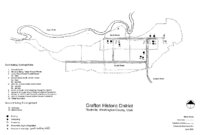
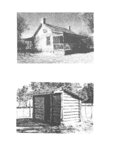
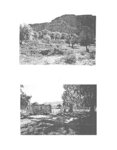
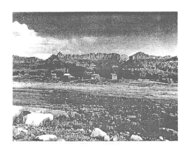
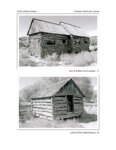
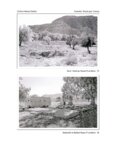
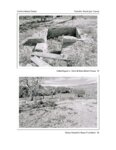
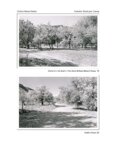
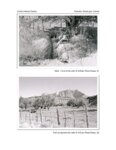
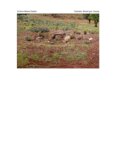
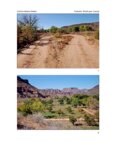
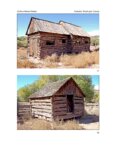
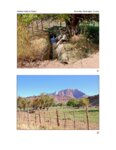
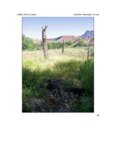
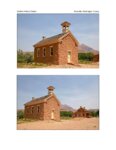
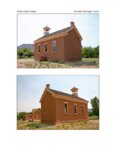
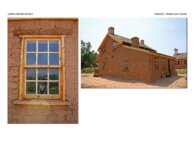
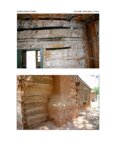
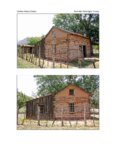
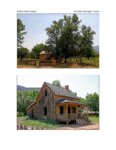
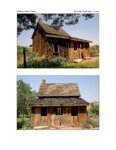
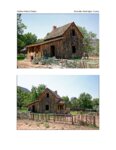
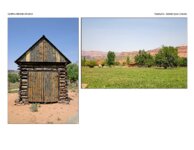
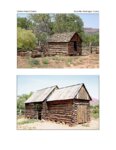
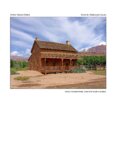
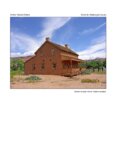
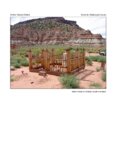
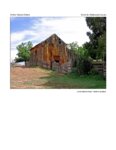
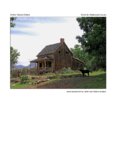
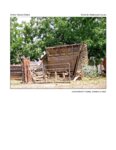
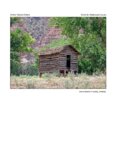
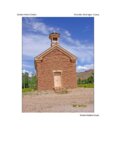
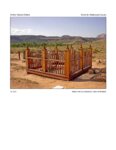
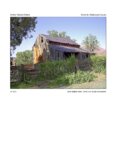
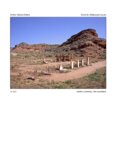
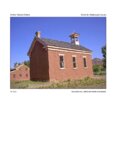
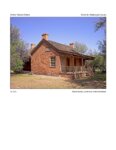
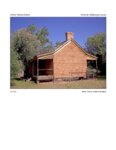
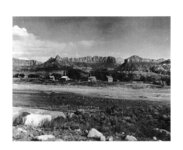
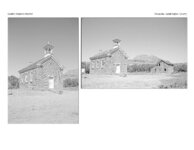
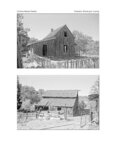
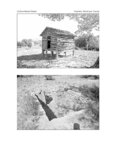
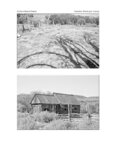
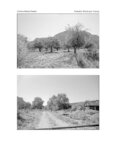
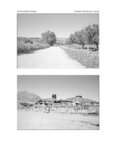
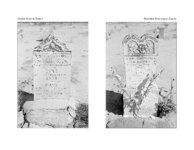
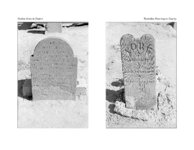
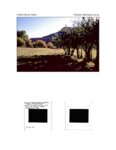
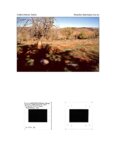
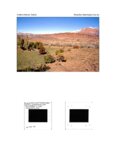
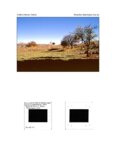
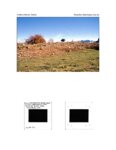
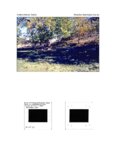
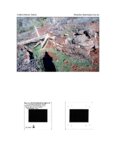
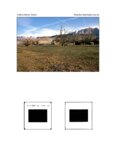
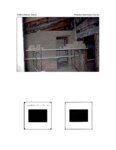
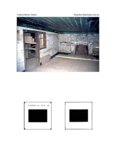
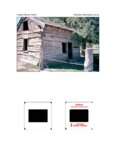
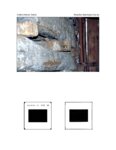
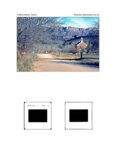
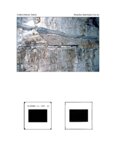
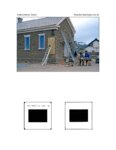
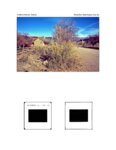
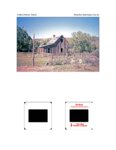
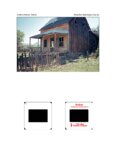
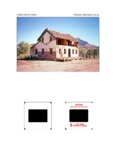
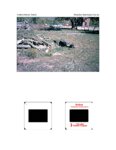
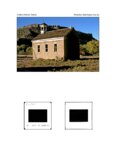
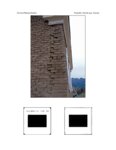
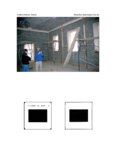
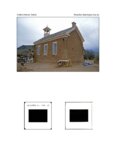
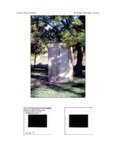
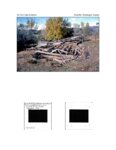
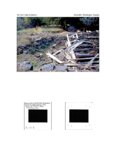
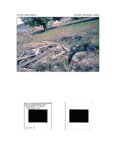
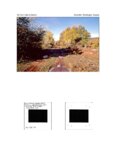
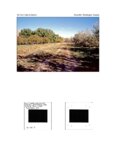
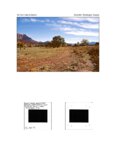
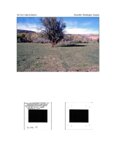
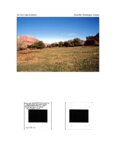
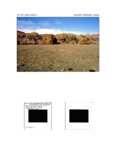
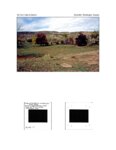
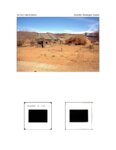
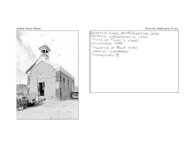
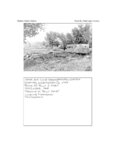
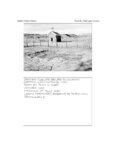
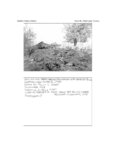
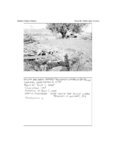
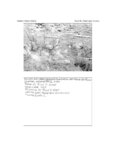
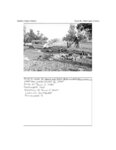
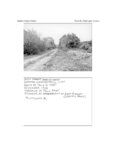
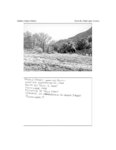
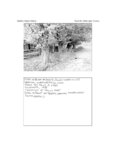
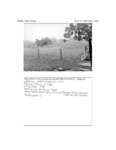
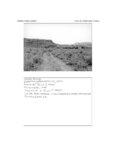
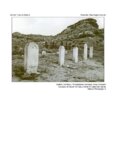
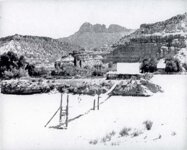
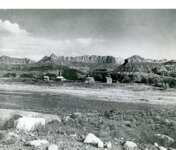
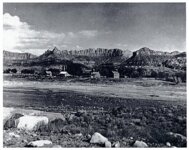
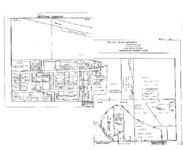
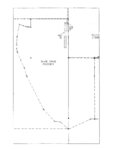
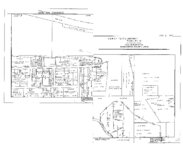
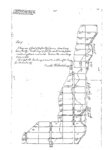
Show OMS No.1 024-0018 , NPS Form United States Department of the Interior National Park Service National Register of Historic Places Continuation Sheet Section No. Z Page § Grafton Historic District, Rockville, Washington County, UT Other Associated Resources There are two other important resources that should be mentioned. Although they are historically associated with Grafton, they are located on Bureau of Land Management (BLM) land and are not included within the district boundaries at this time. They are the Grafton Cemetery and Wood Road. The Grafton Cemetery (c.l863-l924) is located approximately one-half mile south of the town site,just west of Grafton Road, outside of the boundaries of the Grafton Historic District. Enclosed by an old (but not original) post and wire fence, the cemetery measures approximately ninety-four feet by one hundred fourteen feet. The cemetery is bare earth, with no grass or major vegetation. Some of the headstones date from the mid-to-Iate nineteenth century and are badly deteriorated; however, some of the markers are modem replacements, and some are merely movie props, according to unconfirmed local lore. Both stone and wood markers were used to identify the resting places of Grafton residents, and most of the graves are covered with mounds of dirt. The Wood Road (c. early l890s) begins at the intersection of South Street and East Street (Grafton Road) and heads south toward the cemetery before winding up the steep mountainside to the plateau above. Named for its purpose, the road was used by the pioneers to haul large timbers from the Mt.Trumbull sawmill in nearby Arizona and the mesa above town. It is located outside of the boundaries of the Grafton Historic District. Both the cemetery and the Wood Road are located on Bureau of Land Management land and not included in this nomination. Summary Because of the abandonment of the town several decades ago, most of the buildings suffered from deterioration and had to be repaired - some more than others. All repairs were carried out in such a way as to replicate original materials and appearance and minimize overall visual impact to the resources. Where possible, materials were repaired rather than replaced. Virtually all the extant structures are contributing buildings from within the historic period of significance. These include the church/school, four residences, five agricultural outbuildings and five residential foundations. Greek revival and vernacular classical influences can be seen in the symmetrical facades, cornice returns and side-gabled roofs of the buildings in this small agricultural settlement. They represent a range of the building materials used in frontier towns in the second half of the nineteenth century in Utah; frame with board-andbatten, novelty and vertical plank siding, soft-fired brick, adobe brick, and log. The Grafton Historic District is significant as a rare extant example of the many small Mormon towns settled in Southern Utah in the Cotton Mission era. |