| OCR Text |
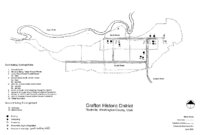
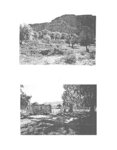
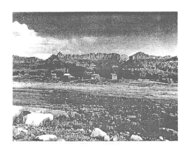
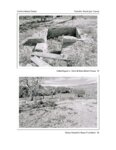
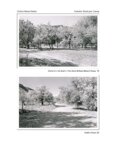
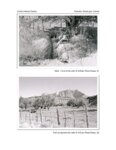
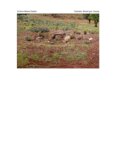
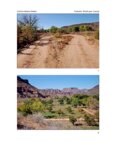
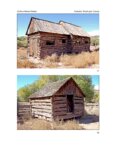
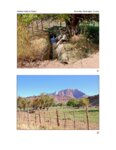
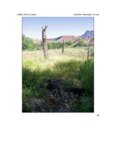
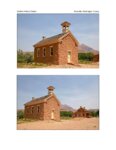
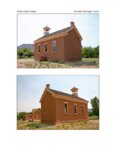
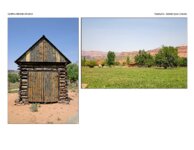
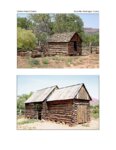
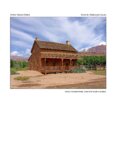
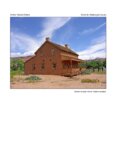
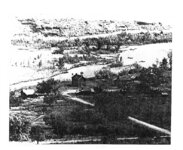
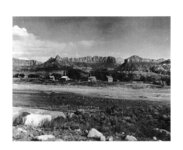
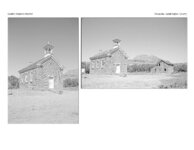
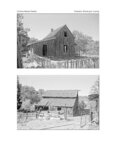
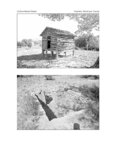
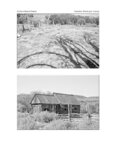
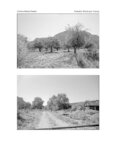
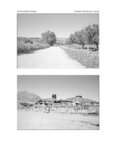
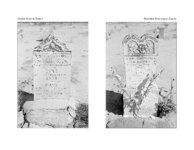
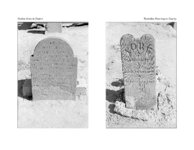
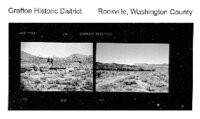
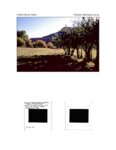
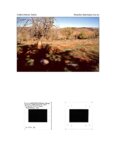
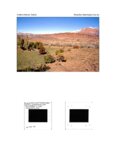
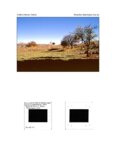
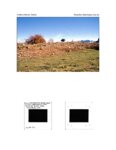
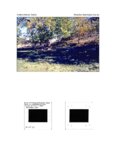
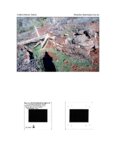
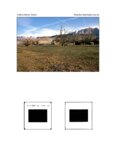
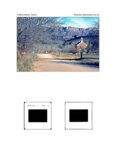
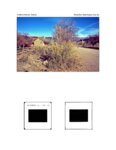
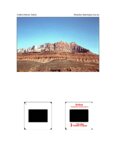
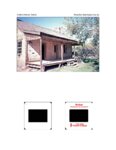
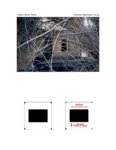
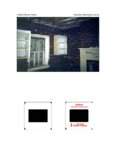
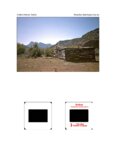
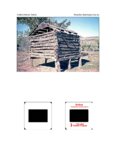
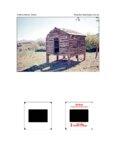
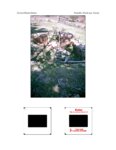
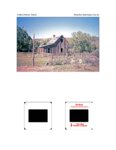
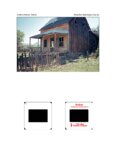
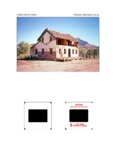
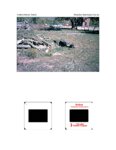
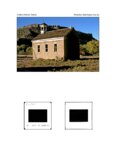
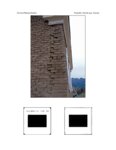
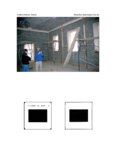
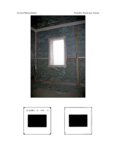
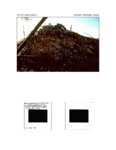
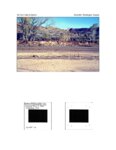
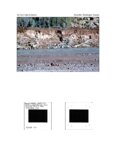
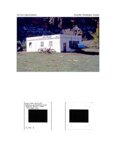
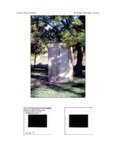
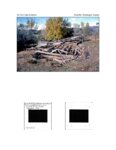
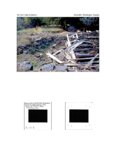
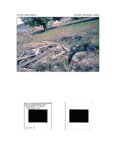
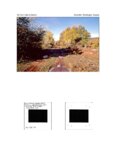
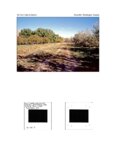
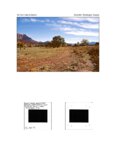
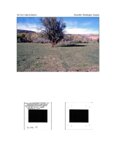
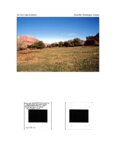
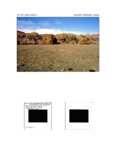
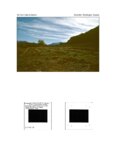
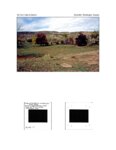
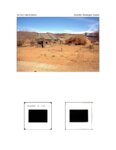
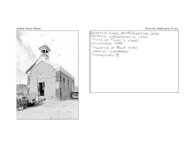
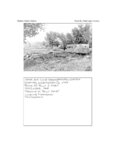
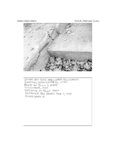
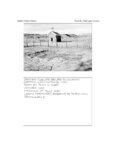
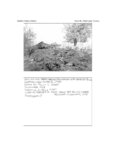
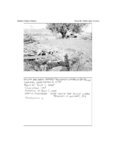
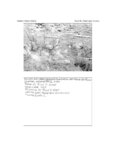
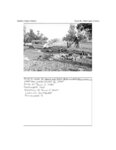
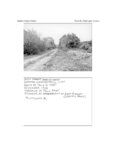
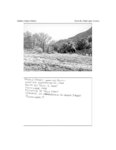
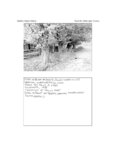
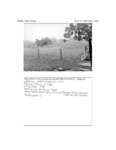
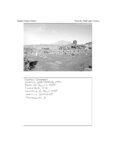
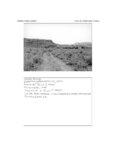
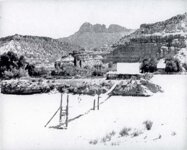
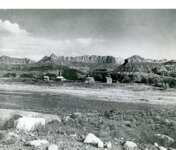
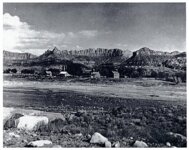
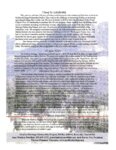
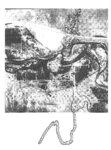
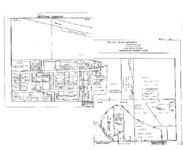
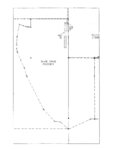
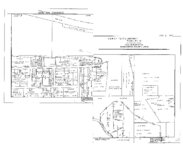
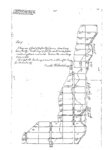
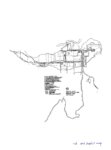
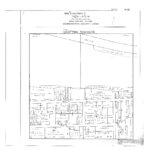
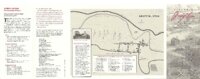
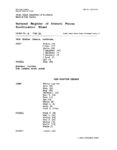
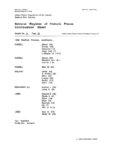
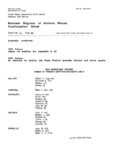
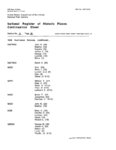
Show NPS Form 10-g00-a Microsoft Word 2.0 Format OMB No. 10024-0018 United States Department of the Interior Nr1al Park Service N'ational Register of Continuation Sheet Section No. l Historic Page ~ Places Grafton Historic District, Grafton, Washington County, UT I NarL8liv~ t lon , CQ ~ ••• ~ Grafton is laid out on a small grid of streets oriented on an east-west axis, rotated slightly clockwise. 1 Five streets originally existed: North Street (Photos P-Q), South Street (Photo R), and three streets that ran north-south, whose names have been lost over time (Photo S). These streets will henceforth be referred to as East Street, Middle Street and Wes!.§r\[.,ept. A map of Grafton G~r6a 1900 (see maps) indicates that a street existed at the western end of town (Vresl Street); however, there is no trace of it today, so it has been omitted from the district map. The town can presently be accessed by vehicle only from Bridge Ro.~d iD. F3~qkville. The road is paved for a short distance after crossing the Virgin River, but most of its length is ttj'lfr ~ rafton Road becomes East Street as it enters town from the south and ends at North Street at the school house. North Street appears to have run from the east end of town, to slightly west of Middle Street. South Street begins at Grafton Road (East Street) and runs west through town . Historically this road continued to Toquerville and St. George. Agricultural Landscape The agricultural landscape of Grafton includes features related to farming and property boundaries such as fi~and orchards, irrigation ditches, and fences. F U dominate th~landscape (cif€a 1862); however, grass has taken over most of them for lack of plowing and planting cr~~l;l e fields that meet the cliffs at the west end of town are the exception, and they are overgrown with~~ nd other plant life native to this arid climate. All are currently used as pastures for cattle . One orchard exists to the south (rear) of the David and Maria Ballard ~use (probably prior to 1944, Photo T). The trees, planted in rows, appear to date from the end of the historic period of significance. Other orchards are planted to the northwest, south, southwest and east of the John , Sr., and Ellen Wood House (all probably prior to 1944). Remnants of historic irrigation ditches (late 1861-1862, marked with dashed lines on the modern map) can be seen along most of the road sides, fence lines, and bisecting some of the fields. The ditch running along the west side of East Street (in front of the extant Wood house) is the best preserved, still containing some of its -..lLsee continuation sheet I'r\a'\ 0\ ~ C\~ or:~~-y.," 1 The survey for Grafton was based on the MoTmon-Tce wn-Pl an designed by Church founder Joseph Smith for the City of Zion near Independence, Missouri in 183 ~, raa d was v ery: d i f fersDt f~ a ' - pFactiesS-.e!sew ere in the natjoIlo' - In 1683 Wilham Penn had established the pattern fa merican town planning with his design for the City of Philadelphia. The plan was based on a grid and focused on a central town square that intersected and was located within the four central \ blocks. Four smaller symmetrically placed squares were set aside as public parks. The two Ipro' ipal streets that led u and ended at the town squar.t!..-Wer lOQ-f-eet '-ide , and , the relit we /, h at width. ,) Joseph Smith's plan for Zion called for a mile-square grid of streets, e ach 132 feet WI • - Three large elongated blocks at the center of town were set aside for the bishops' storehouses and twenty-four temples . and farm fields were located outside of the town. Obviously the plan of Grafton differs greatly fro", the City. of Zion; hq'Yever, modifications were made based on local needs and terrain ~,cU> t}.l-tV'> ~'\J- (c_~t ..... v. G~ v ,.- )d"'~ Nlt-t}".....~. ~~y " ~ a--\ /7 |