| OCR Text |
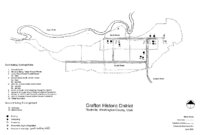
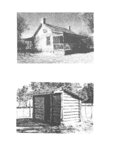
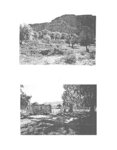
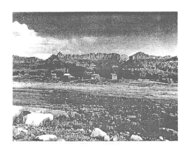
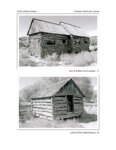
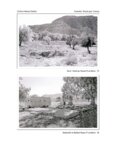
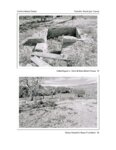
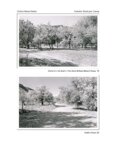
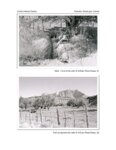
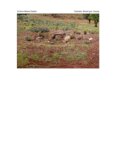
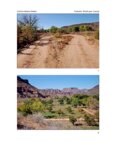
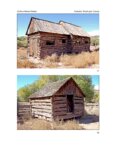
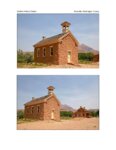
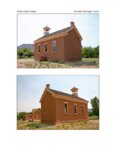
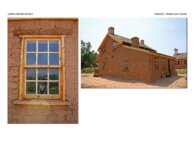
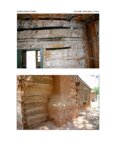
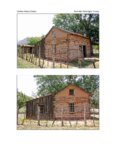
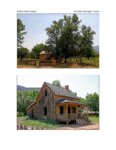
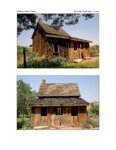
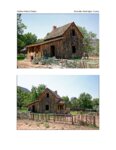
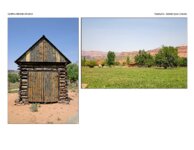
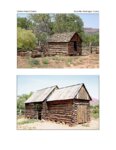
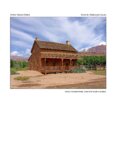
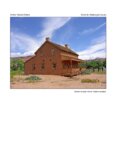
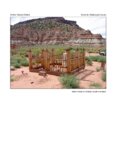
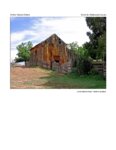
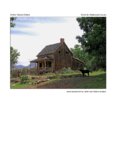
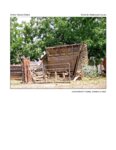
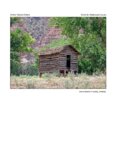
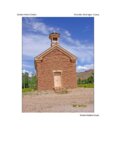
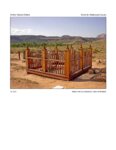
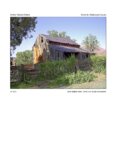
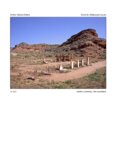
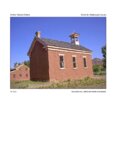
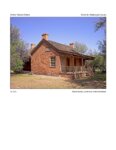
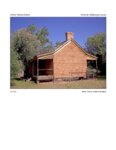
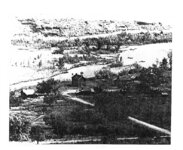
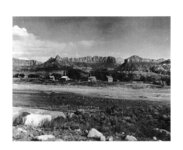
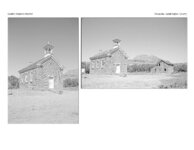
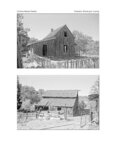
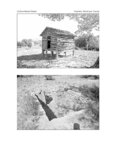
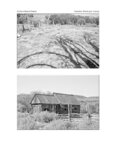
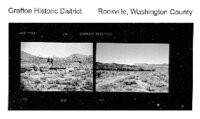
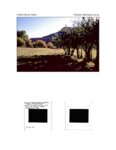
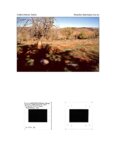
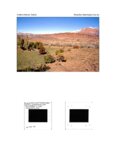
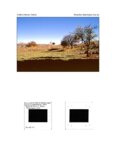
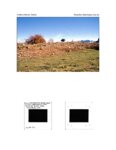
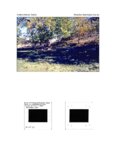
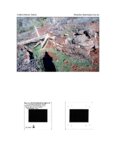
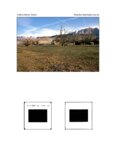
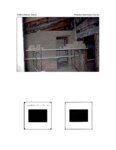
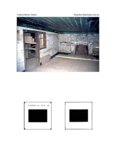
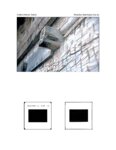
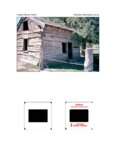
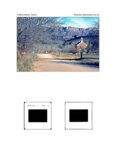
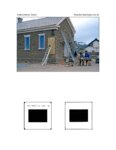
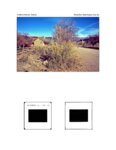
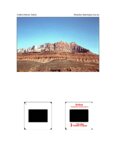
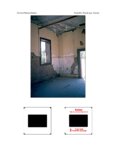
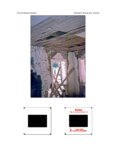
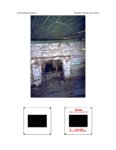
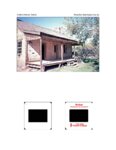
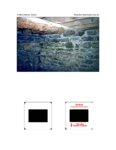
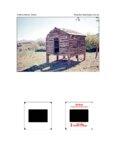
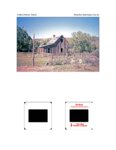
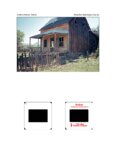
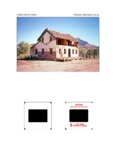
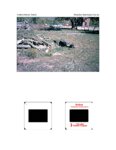
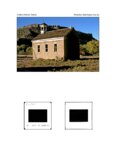
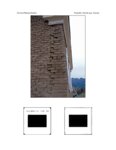
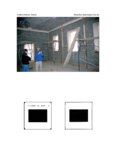
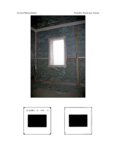
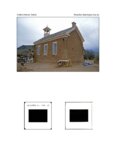
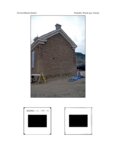
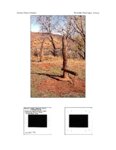
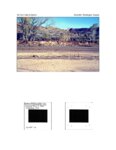
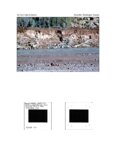
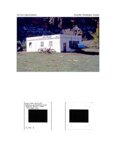
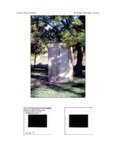
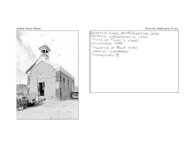
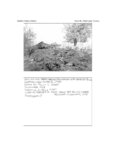
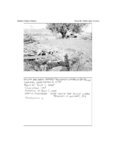
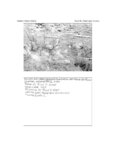
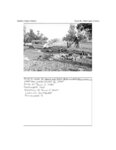
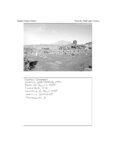
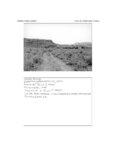
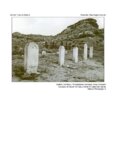
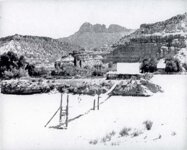
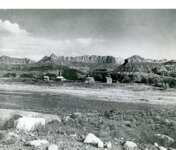
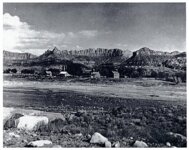
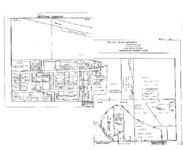
Show OMS No. 10024-0018 (",\'11 NPS Form lO -!JOO-a Microsoft Word 2.0 Format l~-1" ~ .eXC;~ U~jt~States Department of the Interior N"J I Park Service National Register of Continuation Sheet Section No. ~ Narrative Page ...1... Historic Places lftz7-YT- Grafton Historic District. Grafton. Washington County. UT Description Overview The Grafton Historic District encompasses the entire townsite of Grafton, Utah, settled in late 1861 and abandoned in 1945. Thf' district also includes the Grafton Cemetery and Wood Road, both nearby but outside of the townsite. Contributing cultural and natural resources include residences, outbuildings, a schoolhous9lmeeting house, foundations , fields and an orchard, a system of irrigation ditches and related walls, roads; fences, remnants of a bridge, a cemetery, and a roa? ~ Io~~ with associated retaining walls.! _) !. c-~~.s; ~\PI((IIC;:t.C4 1e..0Vf)lUirfj vu llV1try Setting ,-~-..f\~~ ~ /" .~~~v;J{e ~ Grafton is a small, abandoned Mormon 'community nestled along the Virgin River, approximatelt~ miles from the southern border of Zion National Park in Southern Utah, and two miles west of the town of Rockville. Grafton is located one mile up the river from the original town site ("Old Grafton"), which was settled in 1859 and abando,led in January, 1862, as the result of destruction by recurring floods. This farming hamlet sits to true outh and west of the Virgin River below steep, rugged sandstone cliffs that are accessed through a maze of d rroyos (dry river beds) south of town. The Grafton Cemetery, included in this historic district, is I '"" d a half mile south of the village, below the cliffs and away from the river. The Wood Road, also included, runs to the west of the cemetery and up the side of the nearby cliffs to the south of town. ),11 · I Architectural Resources Four types of architectural resources can be identified in Grafton and are addressed as follows : historic buildings, historic foundations, modern buildings, and movie sets. Q.etailed descriptions of historic buildings a_ruLQ.utbuildings can be found on the individual Historic S~s. 17~ ? Five principai historic buildings (Photos A-E) and six outbuildings still stand inside the district boundaries today. Principal buildingsd~at are located along the main streets include the adobe schoolhouse/meeting house at the center of town (oi~ 1886, Site #1, Photo A), the Alonzo Haventon and Nancy Russell adobe house (ci!&' 1862, Site #2, Photo B), the Louisa Russell log cabin (cU&i 1879, Site #3, Photo C), the David and Maria Ballard brick house with wood siding (~ 1907, Site #7, Photo D), all on North Street; and the John, Sr., and Ellen Wood brick house (c~ 1877, Site #6, Photo E) on East Street. The Louisa Russell cabin has a small frame shed to the rear (prior to 1944), and the David and Maria Ballard property includes a large frame barn (eirca ' 1907) ~'a gabled frame house or granary on stilts (cJea 1907), and a one-room log granary (Prior to 1900, Site #9), also raised on stilts. The John, Sr., and Ellen Wood prop~ rty ~ twp outbuildings, a large, two-E?9m log barn/shed ~ 1877) that is in an advanced state of ::deG~Y: aneta 'raised one-room log granary (etrCa: 1877) that is in good condition. All of the extant principal buildings date from between 1862 and 1907 and remain essentially unaltered, with the exception of natural deterioration. The buildings remain as they were constructed, without electricity, gas, modern plumbing or telephones. Classical styles were very popular throughout America during the midnineteenth century, as they symbolized the Greek democracy on which our nation was founded. Symmetrical fl( "-) lanS and elevations also reflected these traditional values, often following the ideal proportions set out o __ ian Renaissance architect Andrea Palladio. Builders in each region adapted these ideals to suit their local -Lsee continuation sheet |