| OCR Text |
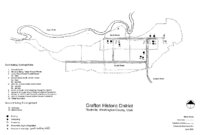
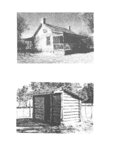
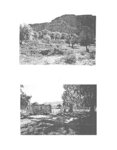
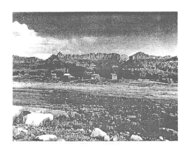
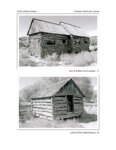
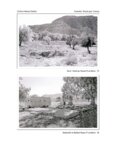
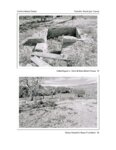
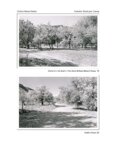
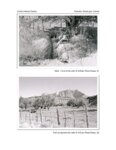
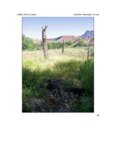
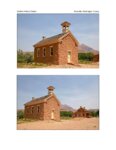
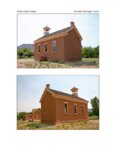
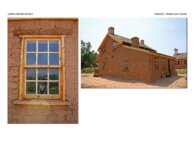
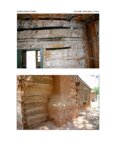
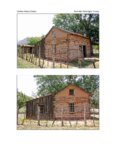
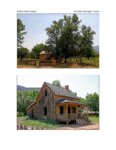
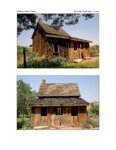
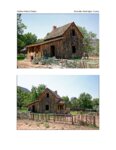
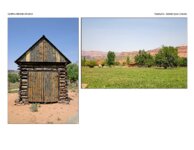
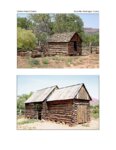
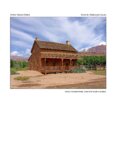
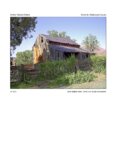
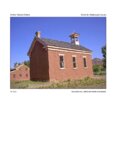
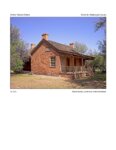
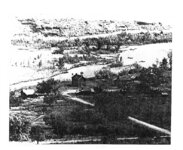
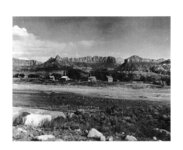
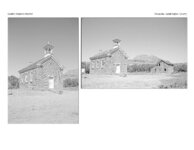
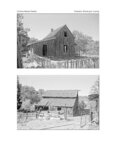
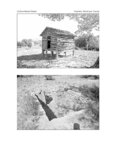
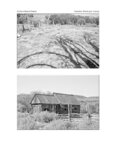
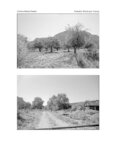
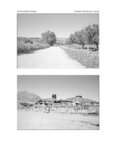
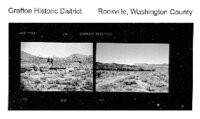
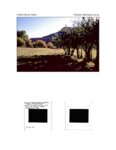
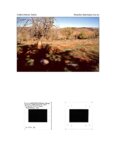
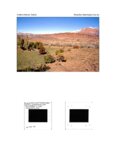
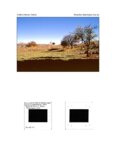
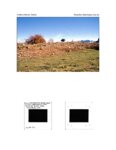
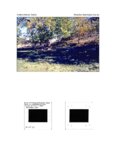
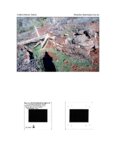
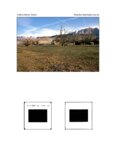
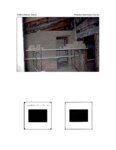
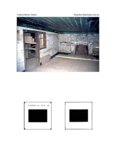
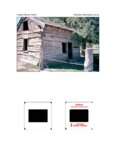
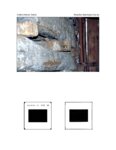
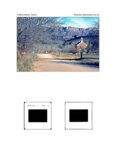
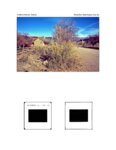
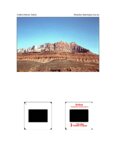
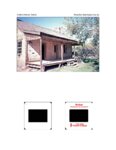
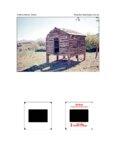
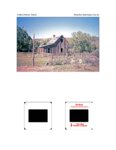
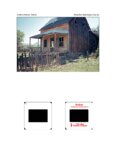
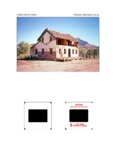
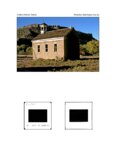
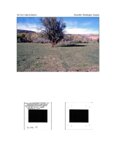
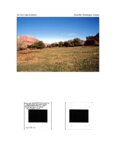
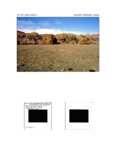
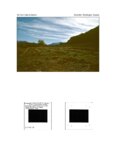
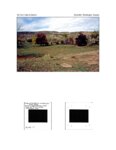
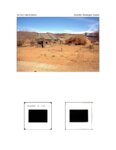
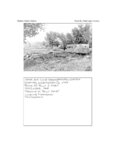
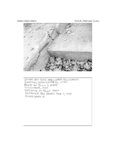
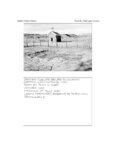
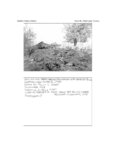
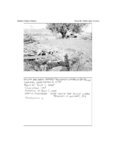
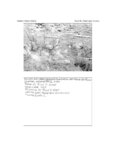
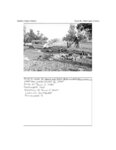
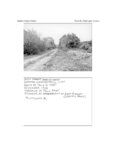
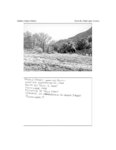
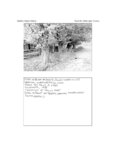
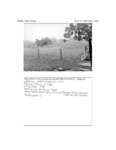
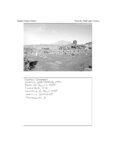
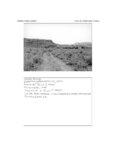
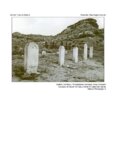
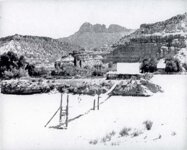
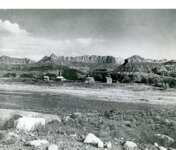
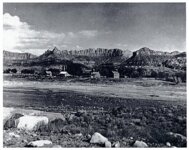
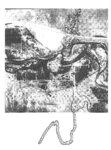
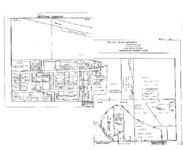
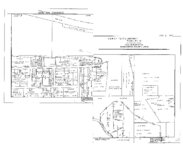
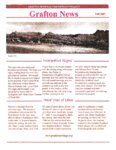
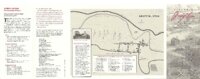
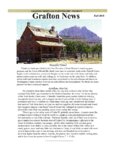
Show http://www.governor.state.ut.us/planningloplandlallocation.htm Grafton as well as the surrounding area. Residents of Rockville want to permanently protect the open space and agricultural values of the land next to scenic Zion National Park and portions of the Virgin River. Their intent is to preserve and protect in perpetuity the unique character of this original Utah agricultural community. Grafton is one of the most photographed ghost towns in the West. It stands as a testimony to the hard work, tenacity and determination of its early Mormon agriculturalists. This will also reduce the threat of housing, commercial and golf course development. Image copyright Lin Alder, 1999 The Curtis Jones Farm: The farm is situated on the north bank of the San Juan River, directly east of Bluff. There is a 10 acre riparian wetlands between the farm's south boundary and the river, which provides habitat for deer, beaver, coyote, ring-necked pheasants, and a tremendous variety of migratory waterfowl including Canada geese, great blue heron, snowy egret, and various ducks. These wetlands continue westwards to merge with the riparian wetlands currently protected in the Bluff Community Nature Preserve. South of the farm within the cliffs a number of alcoves contain prehistoric Anasazi "cliff dwellings." The soil survey of San Juan County identifies the soils as prime farmland. Today the farm produces 20,000 bales of hay. The farm's principal customers are Navajo people who live on the reservation. If the farm goes these people will be forced to travel farther to the north and east to purchase hay to maintain their traditional economic and subsistence base. This is the last working farm in Bluff. Black Agriland: The Black Agriland parcel provides critical wildlife habitat as well as recreational bird watching opportunity. The Black Agriland proposed easement is located adjacent to The Nature Conservancy of Utah's 3,000 acre Layton Wetlands Preserve. Black Agriland, currently under agricultural production, serves as a valuable productive vegetable farm, natural buffer for the wetlands and habitat for migratory birds. The natural and agricultural values of this property on the shores of the Great Salt Lake are threatened by potential future residential development in Davis County. It provides an open view of the Great Salt Lake to residents and visitors of western Davis County. The wetlands on the eastern shore of the Great Salt Lake are some of the most productive for bird life in the world. They provide critical nesting, and foraging habitat for over 240 individual species of birds. The Great Salt Lake is rare and unusual since it is the largest inland saline lake in the nation. This area of wetlands has been recognized by the western Hemisphere Shorebirds Reserve network as having hemispheric s ignificance and as one of the worlds most critical migratory bird locations. 30f3 3114/20019:00 AM |