| OCR Text |
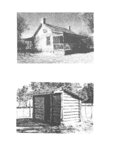
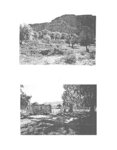
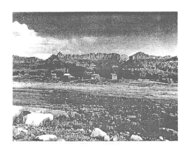
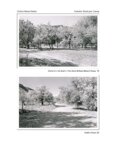
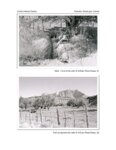
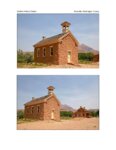
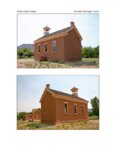
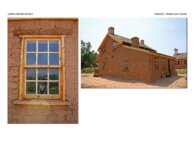
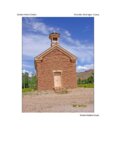
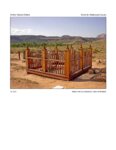
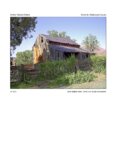
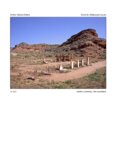
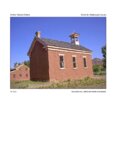
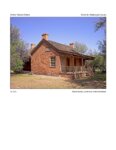
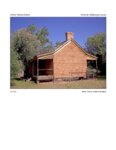
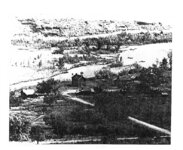
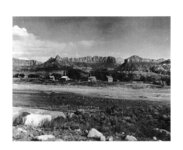
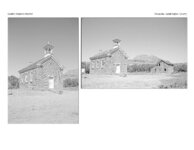
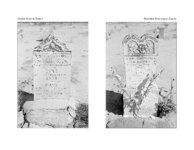
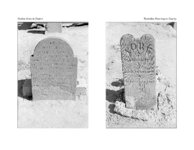
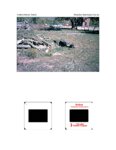
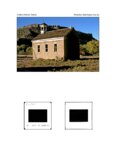
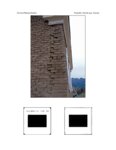
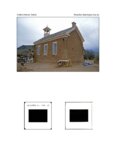
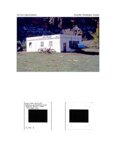
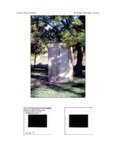
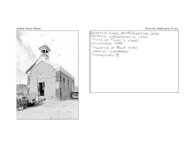
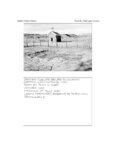
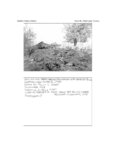
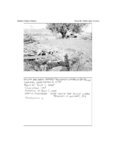
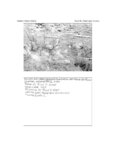
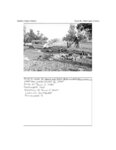
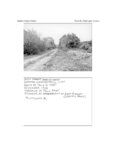
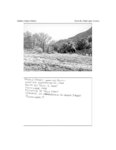
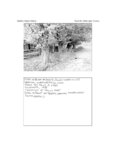
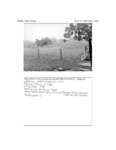
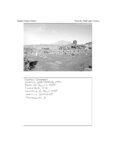
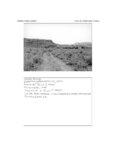
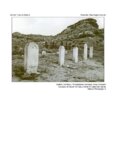
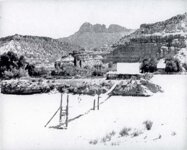
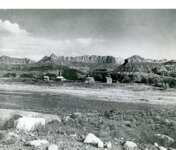
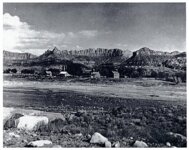
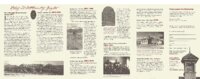
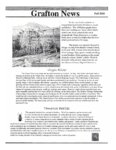
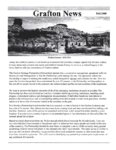
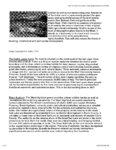
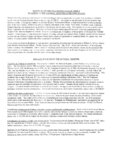
Show This text message is used to keep the image from rotating in ocr process. Be sure to crop the top .25" off after the ocr process. This text message is used to keep the image from rotating in ocr process. Be sure to crop the top .25" off after the ocr process. c%~ ~~7-ff7£-West of the United States in Mexican Territory 1847 I n 1847 a tired group of pioneers stood at Emigration Canyon gazing at the valley of the Great Salt Lake. Their leader, then-president of the Church ofjesus Christ of Latter-day Saints, Brigham Young, said, "This is the place." The Saints, also known as Mormons, arrived in what was then Mexico after fleeing religious persecution in the United States. There, outside the U.S., Young hoped to establish the "state" of Deseret where Mormons could practice their religion freely. In 1850, after the Mexican-American War, Deseret became a U.S. Territory. Between 1847 and 1900, Mormons settled perhaps 500 villages throughout the West in an effort to claim territory and secure resources for self-sufficiency. Skilled craftsmen and volunteers were called on colonizing missions. In the Utah Territory, Brigham Young reasoned that warm southern lands might, if irrigated, produce a costly and U.S.-dependent staple: cotton. He was right. Cotton flourished in an experiment at Santa Clara (1854), and Young sent numerous families to Utah's "Dixie" as part of the Cotton Mission. To grow cotton, or anything else, pioneers needed tV'IO things-land flat enough to farm and water enough to irrigate-and both were scarce. Eight farming settlements grew along the upper Virgin River in the only places they could: Virgin (1857), Grafton (1859), Adventure (1860), Duncans Retreat and Northup (1861) and Shunesburg, Rockville and Springdale (1862). Grafton, utah Territory 1859- 1862 In 1859, Nathan Tenney led five families-the Barneys, Davies, McFates, Platts and Shirts-from nearby Virgin to a site one mile downstream of today's Grafton. The small group cooperated to plant crops, dig irrigation ditches and build homes-the idea was never profit, but rather community and faith. In 1861, as the U.S. Civil "Var began, cotton became scarce, and Brigham Young's vision of Utah's Dixie began to bear fruit. Grafton was so zealous in its first year of cotton cultivation that farmers didn't plant enough corn, cane and other crops to feed their families. In coming years Virgin River farmers would scale back cotton in favor of food production. Survival in this arid place alongside a tempestuous river would require their undivided attention-and all their land. Cotton wasn't the only thing that consumed precious land. In January 1862, a raging flood destroyed most of Grafton, Duncans Retreat, Adventure and Northup. A resident of Virgin wrote, "the houses in old Grafton came floating down with the furniture, clothing and other property of the inhabitants, some of which was hauled out of the water, including three barrels of molasses." Grafton's settlers relocated to higher ground one mile upstream of their first town, where the current townsite now stands. Grafton's existence is a testament to the early settlers' perseverance and industrious spirit. Grafton, utah Territory 1862- 1866 Even in its new location, Grafton's troubles were not over. Irrigation darns were repeatedly washed out, sometimes two or three in a single year. Even without flooding, irrigation ditches regularly filled with sand and required such continuous attention that one settler remarked, "making ditches at Grafton is like household washing; it's a weekly chore!" Despite Dixie's limited farmland, scant rainfall and problematic irrigation, Grafton's settlers were optimistic and, for the most part, in good health. During these years death came in its usual manner, taking the old, the sick and the very young. The Grafton Cemetery holds six babies from these years, all under one year of age. Crops and fruit trees did well, and there was time for music, and a dance every Friday night. Grafton grew slowly as Saints from burgeoning Salt Lake City joined the community effort. During these years, setT.ift 7Vas hard and hard,r aft,r the tlements were precarious, ri'uerflooded and 11}ashed out the and pioneers moved often crude existing roads, 1939. looking for stable ground. In 1864, a church census recorded 168 people living in Grafton. At the same time, Navajo people living south of the Colorado River were squeezed between pioneer settlement in Arizona to the south and Utah to the north. In 1866, when Mormon settlers were killed near Kanab by Navajo raiders, Brigham Young ordered villages in southern Utah to coalesce into towns of at least 150 men. Grafton and other Virgin River towns Headstone in the Grafton Cemetery were deserted as townsfolk for Loretta Russell and Elizabeth Woodbury, two young girls killed consolidated in Rockville . in 1866 when the swing they were Grafton farmers returned playing on broke. The girls, best daily to tend tlleir hometown jriendr, 71Jere buried together. fields and, by 1868, Grafton was resettled as troubles ended. A visit to the Grafton Cemetery demonstrates that 1866 was indeed a very hard year along the Virgin. The Grafton Heritage Partnership Project is a 501(c)(3) nonprofit corporation dedicated to preservation of the historic Grafton townsite. Donations are gratefully received and tax deductible. Grafton, Utah, United States 1945 Checks may be written to: Grafton Heritage Partnership Project Without enough children to warrant a school, and lacking culinary water and electricity standard in other communities, Grafton gradually became a ghost town for the second time. And so it remains-uninhabited, but not forgotten. Your support is crucial to our success in preserving the historic structures and maintaining Grafton's landscape. Enclosed is my contribution of $ _ _ _ _ _ _ _ _ __ NAM E ADDRESS CITY STATE) ZIP Grafton, Utah Territory to United State TELEPHONE 1868- 1945 In 1886 Grafton residents hauled lumber 75 miles from Mount Trumbull and gathered clay west of town to construct the adobe schoolhouse that still stands at the heart of Grafton. In 1896, Utah became a U.S. state, and Grafton bustled until 1906 when a newly built canal delivered Vir- Grafton, Utah Territory 186 6 - 18 6 8 EMAIL o Put me on the Partnership's mailing list. The Grafton Schoolhouse audAlonzo RUJull horne before restorai£on, ba,'ked by MI. Kinesava in Zion National Park. In 1929, fhe mostly intact and barely inhabited Crafton became the sellingfor Ihe first outdoor lalking mo'vie e-verfilmed. In O lJ Arizuna starred Warner Baxter (v.Jho 'won the Best Actor Academy Awardfor his portrayal of the Cisco Kid). Raoul Walsh, Edmund Lowe and Dotothy Burgess. Please send us copies of your historic photos and histories to help us tell Grafton's story. Grafton Historic Site, Now-The Future Grafton Heritage Pa rtne rship Pr oje ct Listed on the National Register of Historic Places, Grafton's buildings recall a forgotten lifeway. Towns like this are rare; most pioneer villages lost their heart as they grew or were destroyed in flash floods. Prompted by fond memories of wonderful community, song fests and dances, former residents initiated yearly Grafton reunions that continue today. With your help, this historic setting will enrich generations to come. A mere two years latter, in 1866, Grafton became a ghost town for the first time. \i\Then the Utah Territory was settled, the upper Virgin River valley was already inhabited by native Southern Paiute peoples. Pioneers, by necessity, settled the same places required by these preexisting people for their subsistence. This competition for land and scarce resources led to conflict, especially to the north. Looking south across tbe Virgin River to Grifton in 1929. Please support The Partnership gin River water to the wide, flat Hurricane bench twe nty miles downstream. To escape years of bare subsistence on limited acreage and loss of fields from repeated floods, Grafton's men helped build the Hurricane Canal. Then many Grafton families packed everything, some even their houses, and moved to Hurricane. The Russell Family Band entertained the citizenry alCrajton, 1895. Music and dance were essential elements ofCrajton lift. p. O. Box 630184 Rockville, Utah 84763 435-635-2133 janew@redrock.net Visit us at www.graftonh eritag e.o rg |