| OCR Text |
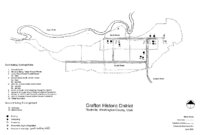
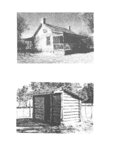
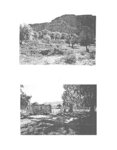
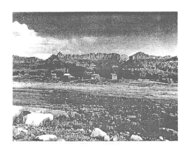
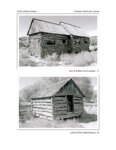
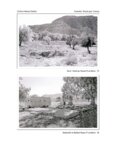
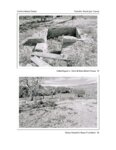
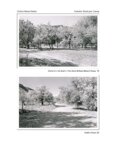
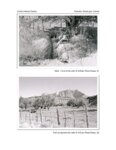
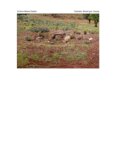
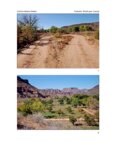
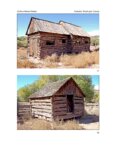
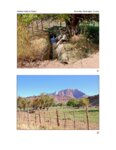
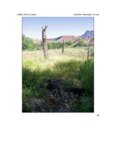
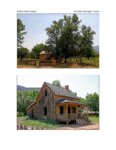
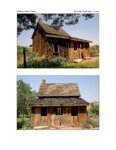
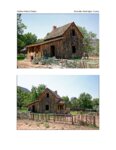
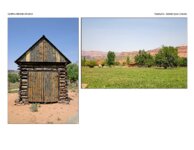
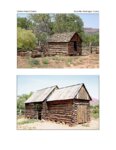
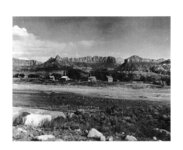
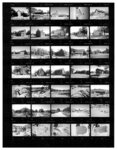
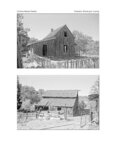
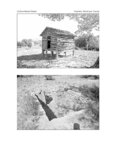
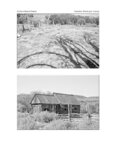
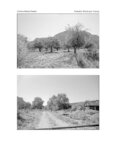
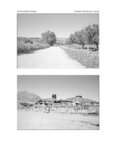
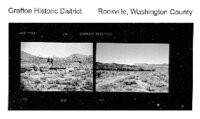
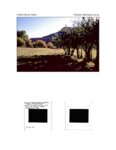
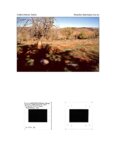
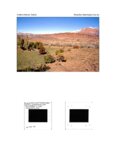
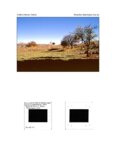
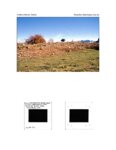
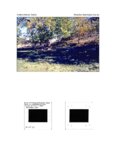
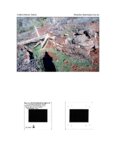
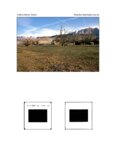
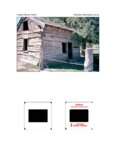
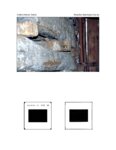
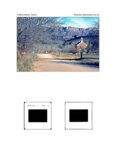
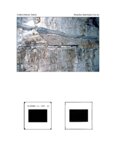
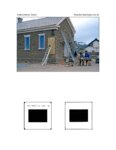
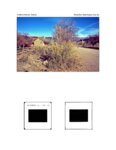
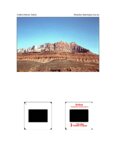
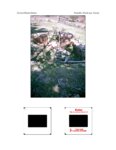
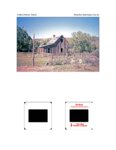
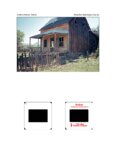
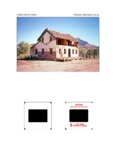
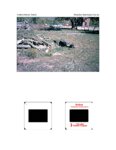
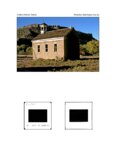
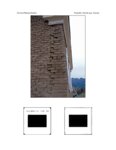
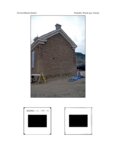
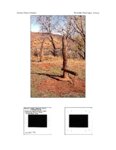
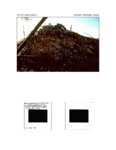
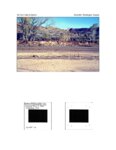
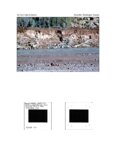
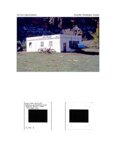
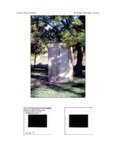
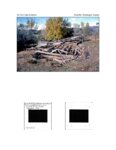
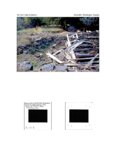
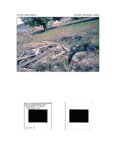
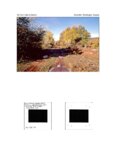
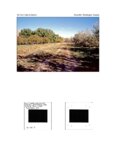
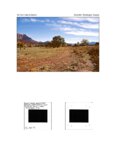
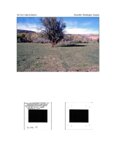
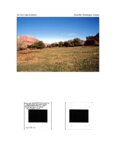
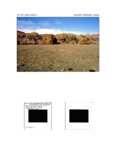
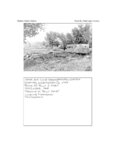
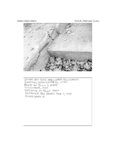
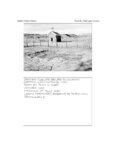
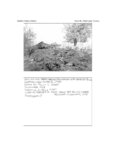
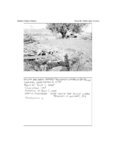
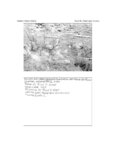
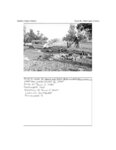
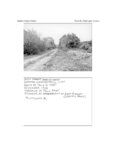
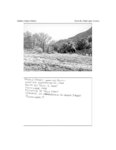
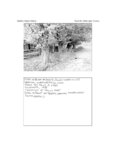
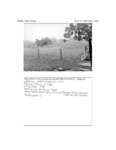
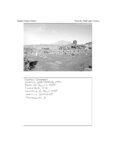
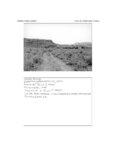
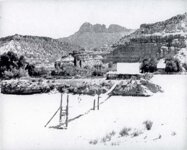
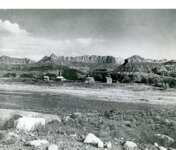
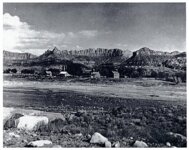
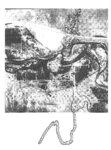
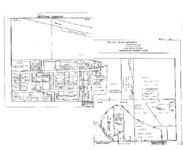
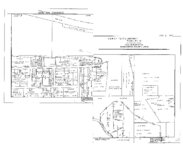
Show OMB No. 1024-0018, NPS t=orm United States Department of the Interior National Park Service National Register of Historic Places Continuation Sheet Section No. Z Page 1. Grafton Historic District, Rockville, Washington County, UT • The basalt and sandstone foundation of the Alonzo, Jr. , and Elizabeth Hardy Russell House (Photo # 16) is located on the south side of North Street, just to the east of the David and Maria Smith Ballard house. • The John and Charlotte Pincock Ballard House rubble stone foundation, c. 1862, (Photo # 17) is located to the west of the extant Louisa Maria Foster Russell House on the south side of North Street. It appears to have been a two-room house with a one-room root cellar located approximately twenty feet to the rear. • The Virgin River is located just outside of the Grafton Historic District boundaries. Within the boundaries are some remains of an historic footbridge (circa early 20th century) that was used to cross the river. Due north of West Street two large poles with heavy, rusted metal cable are anchored into the ground at the edge of a field above the bluff leading down to the river. The side of the bluff below the anchor poles is encased with large broken pieces of concrete that once formed a retaining wall for the bridge. Remnants of the retaining wall on the north (opposite) side of the river can barely be seen from the south shore and are not included within the boundaries. The sandy banks of the river range from approximately twenty to fifty feet wide at the town site, due to erosion from many years of flooding. A non-contributing building and a non-contributing object that date after the period of significance are presently located at Grafton. An outhouse and trailer (both from after 1944 when the area was abandoned) are located on the east end of North Street and are outside of the historic period. The frame outhouse (Photo # 18) is located to the northeast of the foundation and trailer (seen in Photo # 14). The pink and white travel trailer most likely dates from the 1950s or 1960s and has been on the site more than a decade. Agricultural Landscape The agricultural landscape of Grafton included features related to farming and property boundaries such as fields and orchards, irrigation ditches, and fences. Fields dominate the landscape; however, grass has taken over most of them for lack of plowing and planting crops. The fields that meet the cliffs at the west end of town are the exception, and they are overgrown with sage and other plant life native to this arid climate. Many are currently used as pastures for cattle (Photo # 22). One orchard exists to the south (rear) of the David and Maria Smith Ballard House (Photo # 19). The trees, planted in rows, appear to date from the end of the historic period of significance. Fields and trees line Grafton Road (Photo # 20). Remnants of the historic irrigation system ditches (c. late 1861-1862) can be seen along most of the roadsides, fence lines, and bisecting some of the fields. The ditch running along the west side of Grafton Road (in front of the extant Wood house, Photo # 21) is the most visible and has been lined with concrete. In many places the ditches have been filled with large irrigation pipes and then covered with dirt and now appear as lengthy mounds. |