| OCR Text |
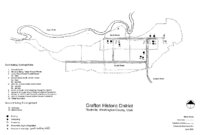
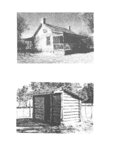
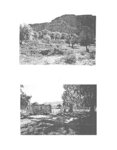
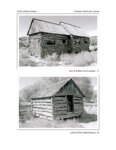
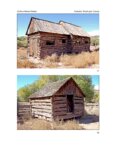
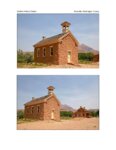
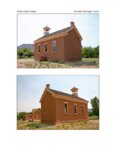
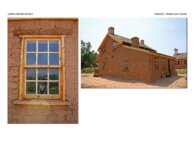
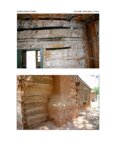
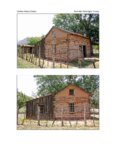
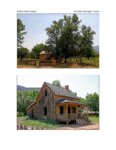
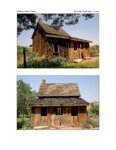
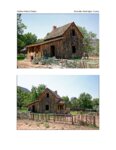
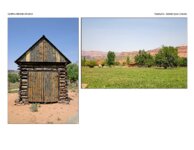
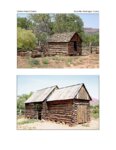
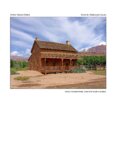
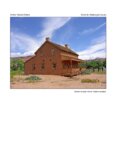
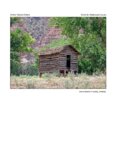
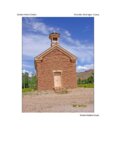
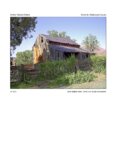
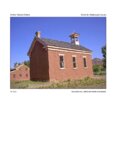
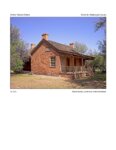
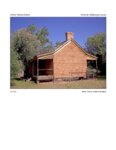
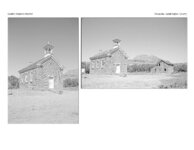
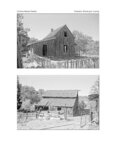
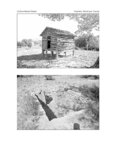
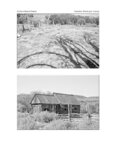
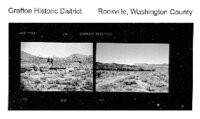
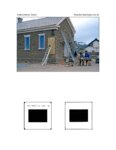
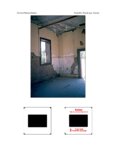
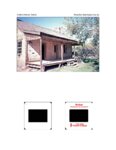
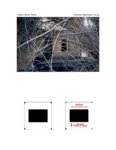
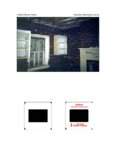
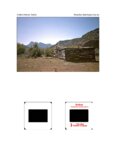
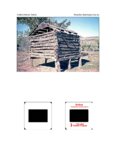
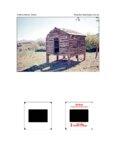
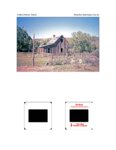
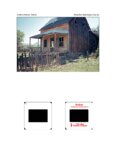
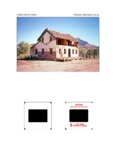
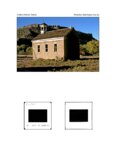
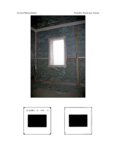
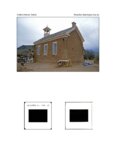
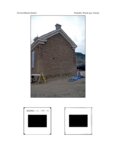
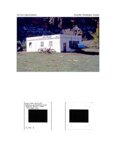
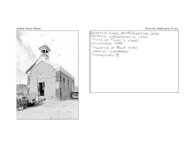
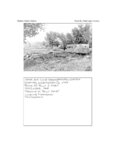
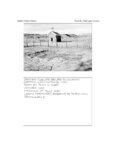
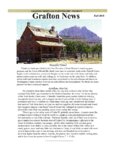
Show OMS No. 1024-0018, NPS Form United States Department of the Interior National Park Service National Register of Historic Places Continuation Sheet Section No. ~ Page 1..1 Grafton Historic District, Rockville, Washington County, UT gabled with a central door, adjacent window and a board-and-batten shed-roofed rear addition. Six-over-six sash double-hung windows provide light to the interior. The logs are roughly squared with overlapping saddle notching. The attic gable ends are adobe brick with vertical window openings. One of its outbuildings, a frame shed, is located to the south (rear) of the house. The John, Sr., and Ellen Smith Wood house was built c. 1877. It is constructed of fired brick, and is a crosswing with a side-gabled front section with two corbelled chimneys and a rear-gabled ell, three open-frame porches and three rooms. A cellar entrance is through the rear porch. Cross wings were popular in Utah from 1880 through 1910 and again from 1920-1930. It was the most popular house type in Utah after 1880. Greek Revival styling influences can be seen in the angle of the gabled roof and the strong cornice line. Two of the original frame agricultural outbuildings remain to the south of the house; a raised granary on stilts and a tworoom log bam. Both outbuildings date from c. 1877. The front-gabled single-room adobe brick Grafton Church & School building was constructed in 1886 with Greek Revival style influences. It is a temple shape with its entrance in the gable end. The ridgeline has a corbelled-brick chimney on the north and an open roof-top cupola/bell tower over the door. Three symmetrically placed windows in vertical openings pierce both side walls. Stairs have been added on the exterior east wall so that visitors can see the interior through the high window when the building is locked. David and Maria Smith Ballard built their one-and-a-half story frame house c. 1907 on the west end of North Street. It has painted horizontal drop or novelty wooden siding on the fa<;ade and vertical board-and-batten siding on the other elevations. The side-gabled roof has a medium pitch, close eaves and a simple fired-brick chimney on the roofline. A single-story shed-roofed rear addition has vertical window openings. A large frame bam and a raised log granary remain nearby the house. Conclusion Today the Grafton town site stands as a tribute to the men and women who settled it and kept it alive for more than eighty years. The extant cultural resources are in varying stages of deterioration, but most of the buildings are quite sound because of recent restoration work. Grafton is a unique example of a Mormon frontier settlement that survived the hardships of the hostile and untamed environment of southern Utah, yet was abandoned in the mid-twentieth century without having been significantly altered. The buildings appear largely as they did when they were erected, except for the effects of time and neglect. Unlike Grafton, other Mormon mission settlements were either quickly abandoned, leaving very few visible remains behind, or they thrived and continue to survive today in a much altered state. Grafton should be preserved as an unparalleled example of a nineteenth-century frontier Utah town. The remaining buildings provide a good representation of the settlement as it appeared near the tum of the twentieth century and continue to be contributing historic resources. |