| OCR Text |
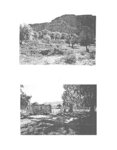
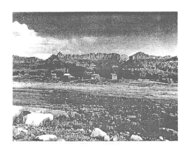
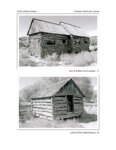
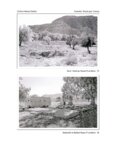
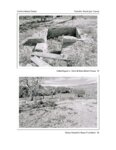
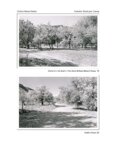
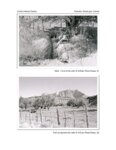
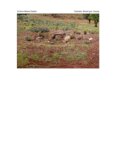
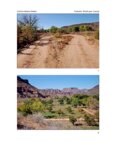
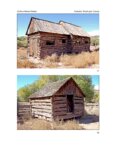
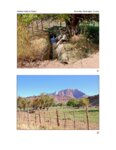
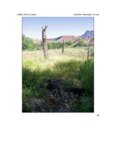
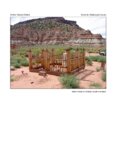
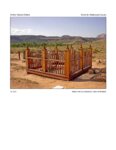
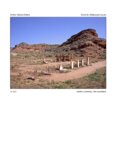
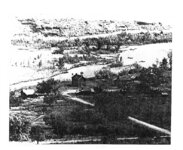
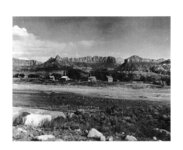
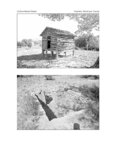
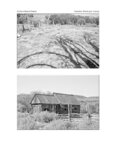
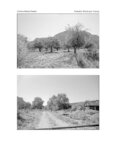
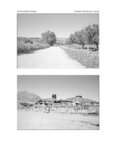
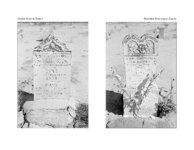
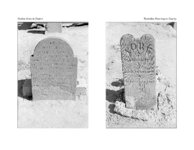
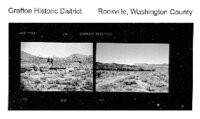
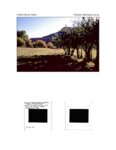
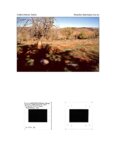
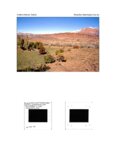
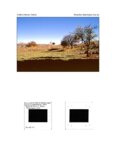
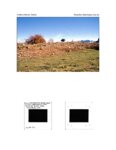
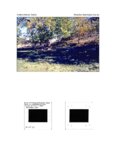
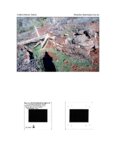
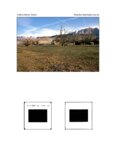
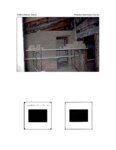
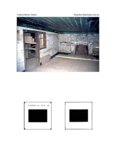
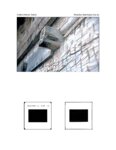
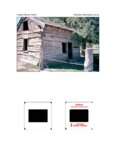
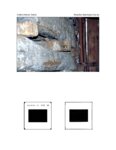
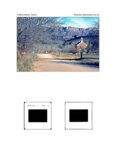
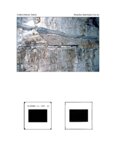
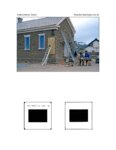
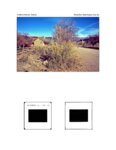
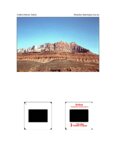
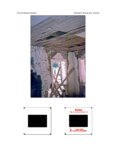
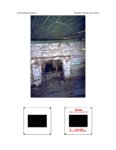
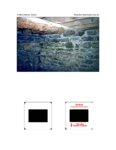
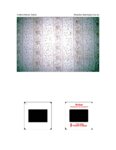
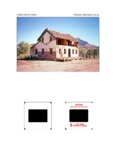
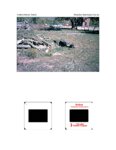
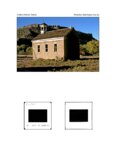
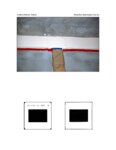
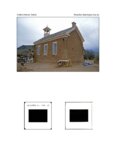
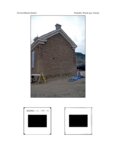
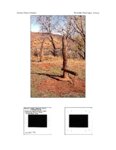
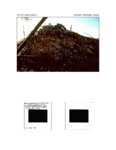
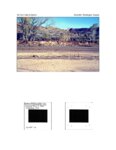
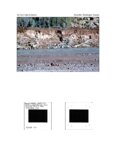
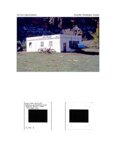
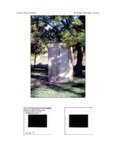
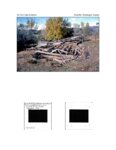
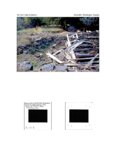
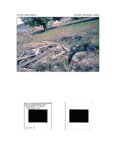
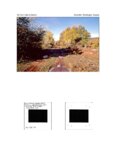
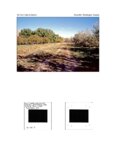
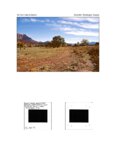
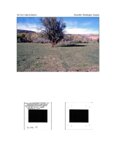
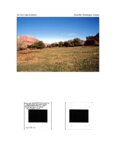
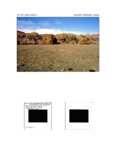
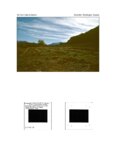
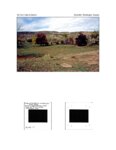
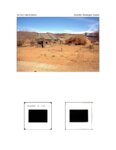
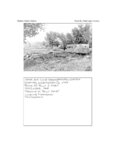
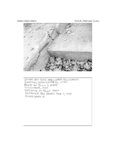
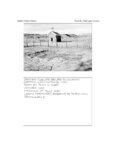
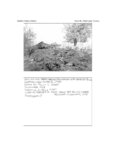
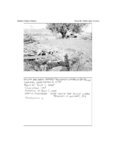
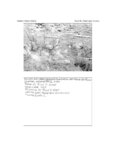
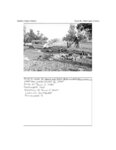
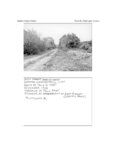
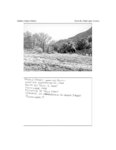
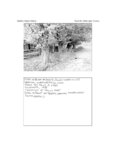
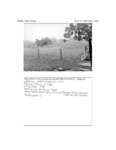
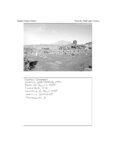
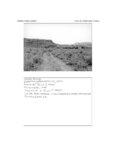
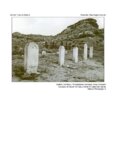
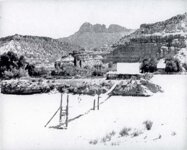
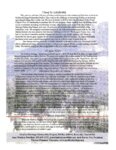
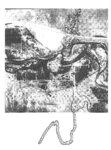
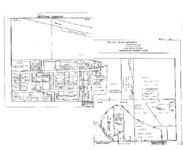
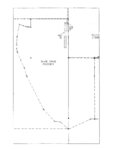
Show NPS Form 10-900-a Microsoft Word 2.0 Format OMB No. 10024-0018 United States Department of the Interior National Park Service National Register of Historic Places Continuation Sheet Section No. 7 Page 4 Grafton Historic District, Rockville, Washington County, UT Another irrigation feature that merits discussion is located north of the intersection of North and Middle Streets (Photo W). Two of the sandstone corners of intersecting ditches are still intact, and the walls running east-west are also in very good condition. These walls are spanned by the remains of a log structure that was probably a bridge. This site appears to be just south of, and adjacent to, one of the connection ditches to the river. Current depressions in the land indicate only two locations where the ditch system seems to feed from the river, although more probably existed. Another ditch connecting to the river appears to be at the east end of town. Many of the historic fences (late 1861-1945) remain in Grafton, and several construction types can be identified. Perhaps the oldest fences are located at the southwest corner of the town and are built with pairs of rough-hewn posts in an "X" formation with long poles horizontally laid between. Several remaining split rail fences on the Wood property are in an advanced state of deterioration. A third, more common type of fence that is found throughout the community is made of rough posts attached with several strands of barbed wire. Virgin River A small portion of the Virgin River is included within the Grafton Historic District boundaries where the few remains of an historic footbridge (circa early 20th century, Site #8) are located. Due north of West Street two large poles with heavy, rusted metal cable are anchored into the ground at the edge of a field above the bluff leading down to the river (Photo X). The side of the bluff below the anchor poles is encased with large broken pieces of concrete which once formed a retaining wall for the bridge. Remnants of the retaining wall on the north (opposite) side of the river can barely be seen from the south shore and have also been included within the boundaries. The sandy banks of the river range from approximately twenty to fifty feet wide at the town site, due to erosion from many years of flooding. Archeological Resources Grafton contains evidence of both historic and prehistoric Native American habitation. A few of these sites have been archeologically surveyed and documented. However, because of their mostly prehistoric nature, they are not being included in the description or Significance of the district. Grafton Cemetery The Grafton Cemetery (c. 1863-1924, Site #15) is located approximately one-half mile south of the town site, just west of Grafton Road (Photo Z). Enclosed by an old (but not original) post and wire fence, the cemetery measures approximately ninety-four feet by one hundred fourteen feet. Many of the headstones date from the mid-to-Iate nineteenth century and are badly deteriorated; however, some of the markers are modern replacements, and some are merely movie props, according to unconfirmed local legend. Both stone and wood were used to identify the resting places of Grafton's residents, and most of the graves are covered with mounds of dirt. Near the center, a small wooden fence surrounds several stone markers commemorating the Berry family, who was murdered by Indians outside of Grafton. According to local legend, several loved and respected Native Americans are buried in the cemetery. A modern marker identifying "Cedar Pete" has been placed in the southeast corner, and he is listed in the Grafton Cemetery Index with no death date. The Index also lists without dates a Southern Paiute named Hoekum (alternately known as "Poincum") and his sons Puss (also spelled "Pusse") and Wiley, although no graves are marked with their names. _x_see continuation sheet |