| OCR Text |
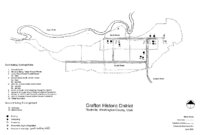
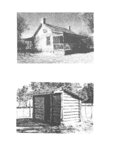
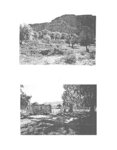
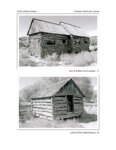
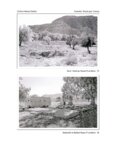
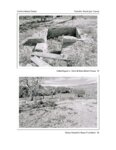
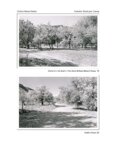
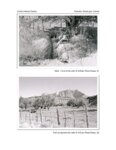
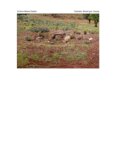
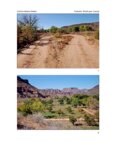
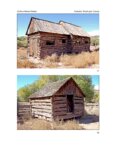
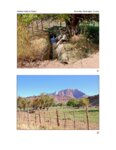
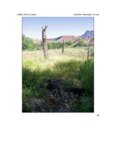
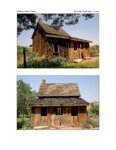
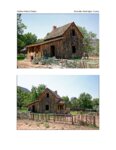
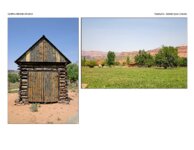
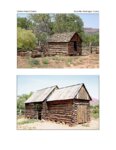
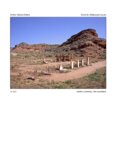
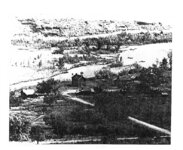
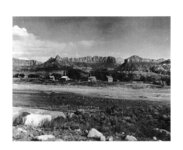
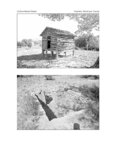
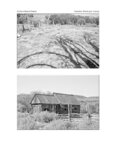
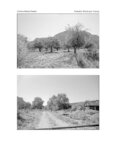
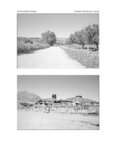
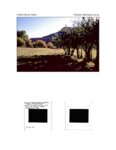
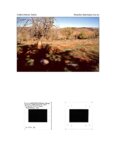
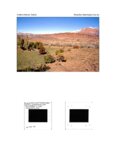
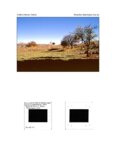
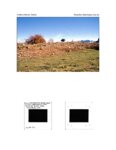
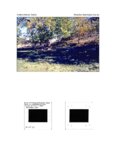
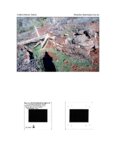
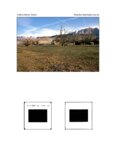
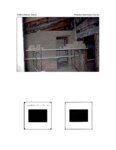
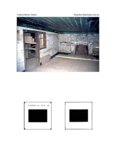
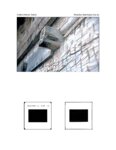
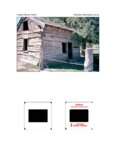
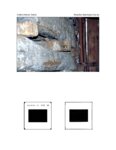
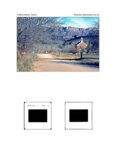
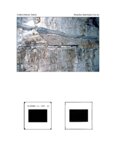
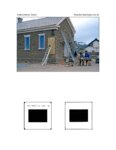
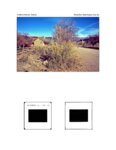
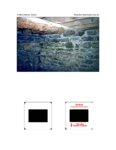
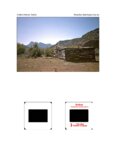
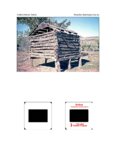
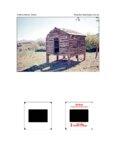
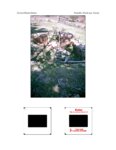
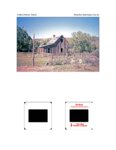
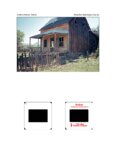
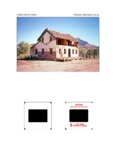
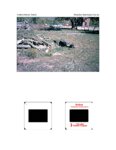
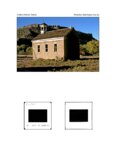
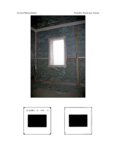
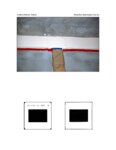
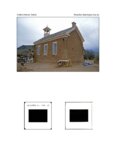
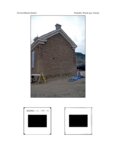
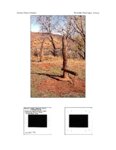
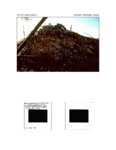
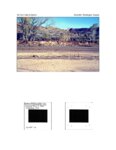
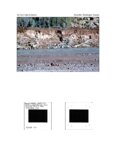
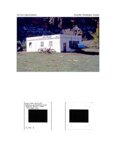
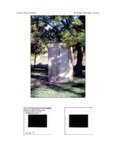
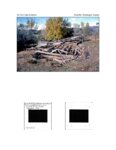
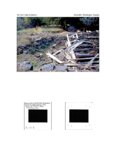
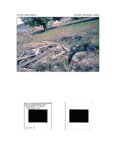
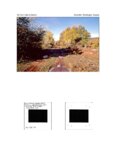
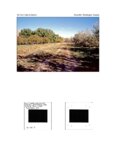
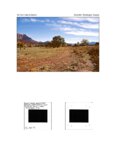
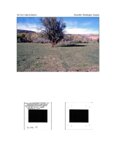
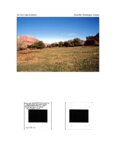
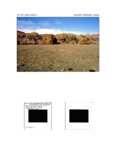
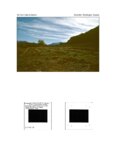
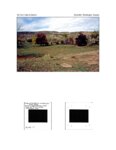
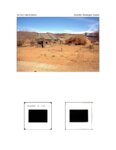
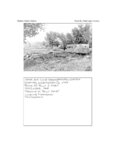
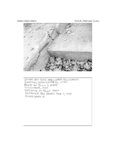
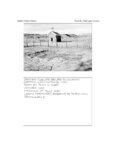
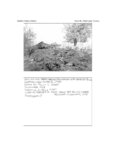
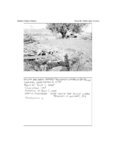
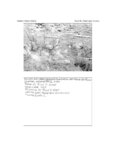
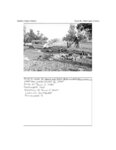
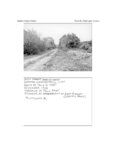
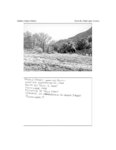
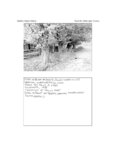
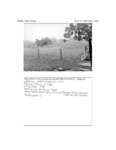
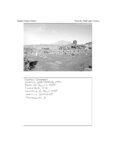
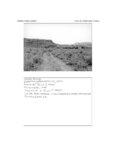
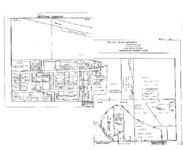
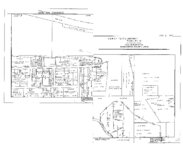
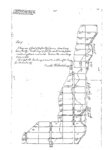
Show OMB No. 1024·0018, NPS Form United States Department of the Interior National Park Service National Register of Historic Places Continuation Sheet Section No. Z Page ~ Grafton Historic District, Rockville, Washington County, UT Palladio. Builders in each region adapted these ideals to suit their local needs and resources. Using available materials such as adobe, soft-fired brick, and logs, with black basalt and red sandstone foundations, the Grafton pioneers built in the popular classical styles, incorporating vernacular characteristics such as stuccocovered walls, unadorned frieze boards, flat wooden lintels, and cornice returns. Floor plans also reflected these traditional styles and many of the homes had either single cell, hall-parlor, or double-pile plans, \l () depending upon the wealth, need, or social standing of the individual. ~ ~e.- ~ l~J-~ f \a.ilJ <\Y b~~CA.~ The remnants of five historic foundations presently visible at Grafton include the following: • The c. 1862 Sarah Hastings house foundation (Photo #11) is basalt and sandstone and located at the southwest corner of Grafton Road and North street. • Cut black basalt rocks mark the foundation2 on the south side of the east end of North Street. (Photo #12). The stone remnants appear to indicate that the first floor had four rooms with a cellar below the southeast corner. • Steps lead below grade at the sandstone foundation of an excavated cellar/dugout to the east of the David and Maria Ballard House. (Photo #13) In 2001 it was informally excavated and artifacts retrieved. • The basalt and sandstone foundation of the Alonzo Russell Jr. House is located on the south side of North Street, just to the east of the David and Maria Ballard house (Photo #14). • The John and Charlotte Ballard House foundation, c. 1862, (Photo #15) is located to the west of the extant Louisa Russell House on the south side of North Street. It appears to have been a two-room house with a one-room root cellpr located approximately twenty feet to the rear. ~~~~~~~~~~~~~~~-i Two modern s r tanding at Grafton. An outhouse and e (both from after 1944 when the area was abandoned) are located on the east end of North Streerand are outside ~~ period. The frame outhouse (Photo # 16) is located to the (seel), in Photo # 12). _HIe pink and white ~ e most northeast of the foup,g~t~ and likely dates from th'?) 960s er1i70s. ~ ~_~~_~ .b~~ \~ ~\~~ ~. ~~~~ ~ ~~\ ~~ ---Roads \\ Grafton is laid out on a small grid of str~ets oriented on an east-west axis, rotated slightly clockwise .3 Five streets originally existed: North Street (Photo # 17), South Street, Grafton Road , and two other streets that ran north-south whose names have been lost over time. The intersection of South Street and Grafton Road is now fenced and South Street in closed to traffic (Photo # 18). 2 The foundation is most likely was from either the James A . and Susie Stanworth House or the James M . Ballard House. 3 The survey for Grafton was based on the "Plat of the City of Zion" designed by LOS (Church of Jesus Christ of the Latter-day Saints or Mormon) Church founder Joseph Smith for the City of Zion near Independence, Missouri, in 1833. Joseph Smith's plan for Zion called for a mile-square grid of streets, each 132 feet wide. Three large elongated blocks at the center of town were set aside for the bishops' storehouses and twenty-four temples, and farm fields were located outside of the town. Obviously the plan of Grafton differs greatly from the City of Zion; however, modifications were made based on local needs and terrain, as was the case in the majority of Mormon settlements. |