| OCR Text |
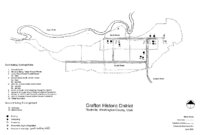
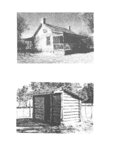
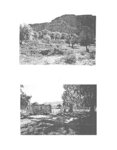
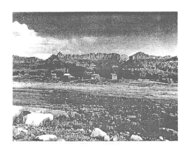
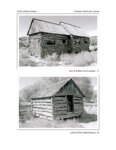
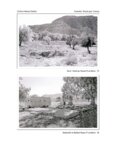
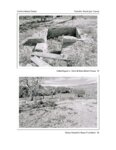
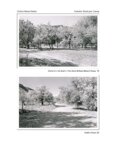
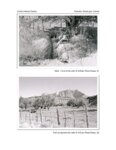
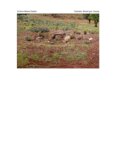
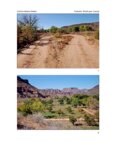
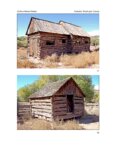
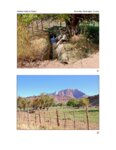
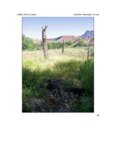
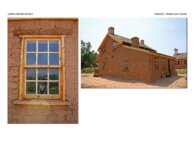
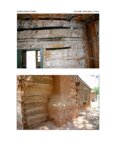
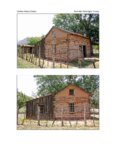
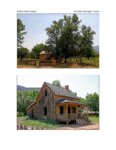
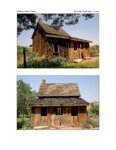
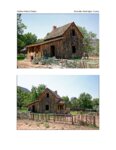
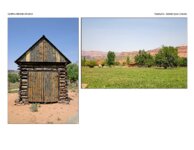
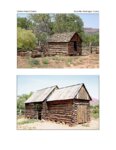
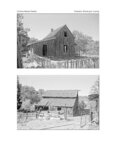
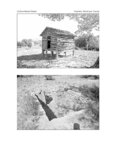
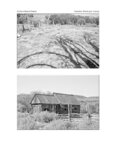
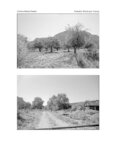
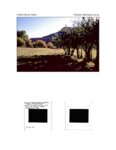
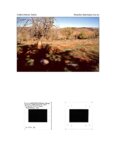
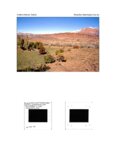
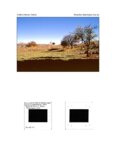
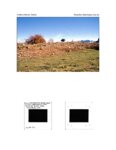
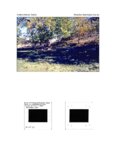
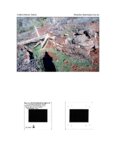
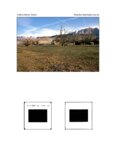
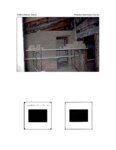
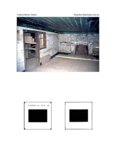
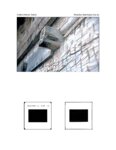
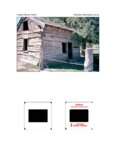
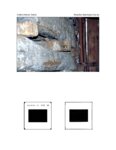
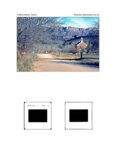
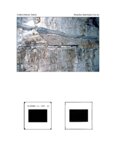
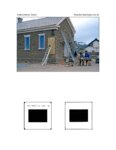
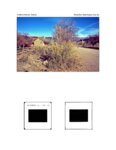
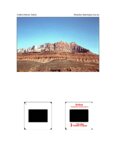
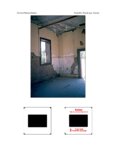
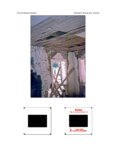
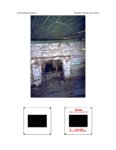
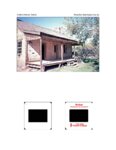
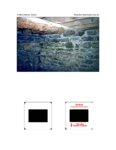
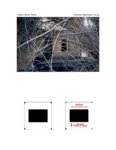
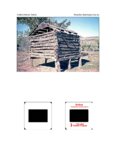
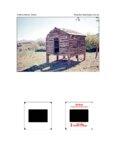
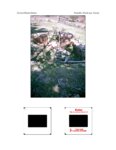
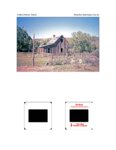
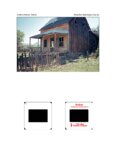
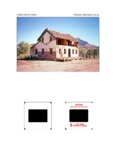
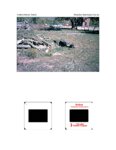
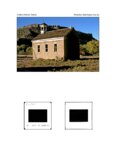
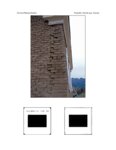
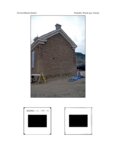
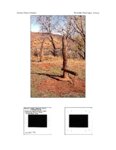
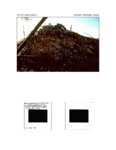
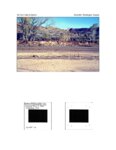
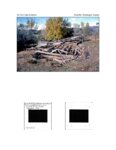
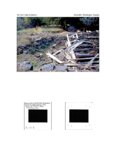
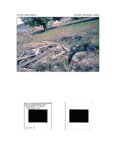
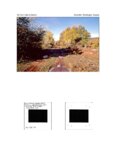
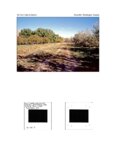
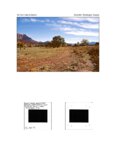
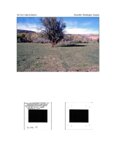
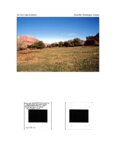
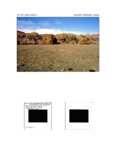
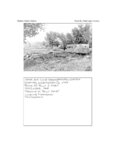
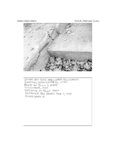
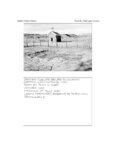
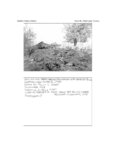
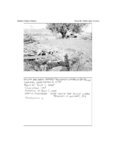
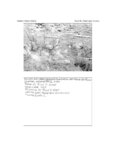
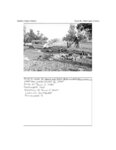
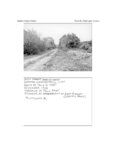
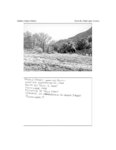
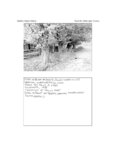
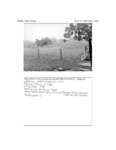
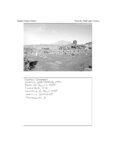
Show OMS No. 10024-0018 NPS Form 10-900-a Microsoft Word 2.0 Format United States Department of the Interior National Park Service National Register of Historic Places Continuation Sheet Section No. 7 Page 2 Grafton Historic District.Rockville, Washington County, UT Classical styles were very popular throughout America during the mid-nineteenth century, as they symbolized the Greek democracy on which our nation was founded. Symmetrical floor plans and elevations also reflected these traditional values, often following the ideal proportions set out by Italian Renaissance architect Andrea Palladio. Builders in each region adapted these ideals to suit their local needs and resources. Using available materials such as adobe, soft-fired brick, and logs, with black basalt and red sandstone foundations, the Grafton pioneers built in the popular classical styles, incorporating vernacular characteristics such as stucco covered walls, unadorned frieze boards, and flat wooden lintels. Floor plans also reflected these traditional styles, and many of the homes had either single cell, hall-parlor, or double-pile plans, depending upon the wealth, need, or social standing of the individual. Five historic foundations presently exist at Grafton. Cut black basalt rocks mark the James A. and Susie Stanworth House (c. 1890, Site #4) at the east end of North Street (Photos F-H). The remnants indicate that the first floor had four rooms with a cellar below the southeast corner. The foundation of the John and Charlotte Ballard House (c. 1862, Site #5, Photo I) is located to the west of the extant Louisa Russell Cabin (Site #3). The cut red sandstone foundation indicates that this was a two room home with a one room cellar located approximately twenty feet to the rear (also c. 1862, Site # 5, Photo I). The basalt and sandstone foundation of the William and Sarah Hastings House (c. 1862, Site #14, Photos J-L) is located at the southwest corner of North and East Streets. The sandstone foundation of a small one-room building (c. 1860s, Site #10, Photo M) is located east of Middle Street and the David and Maria Ballard House. These remnants may belong to a root cellar, as the steps lead down below grade, and its size appears to be small for a residence, even by nineteenth century frontier standards. The bottom row of logs from a one-room cabin (c. 1860s, Site #11) survives on North Street to the northeast of the root cellar foundation. Possibly belonging to the Thomas H. Woodbury cabin, this is the only remnant classified as a foundation that is actually part of a wall. Five modern structures that date after the period of significance are presently standing at Grafton. An outhouse and mobile home (both after 1944, when the area was totally abandoned and included in Site #4) are located on the James A. and Susie Stanworth property (Photos N-O). The outhouse to the northeast of the foundation appears to have been built after the period of significance, and the pink and white mobile home located directly east of the foundation dates from the 1960s or 1970s. A concrete block structure (c. 1960s, Site #13) is located south of South Street just to the east of Middle Street, and a plywood shack (c. 1960s, Site #12) stands at the southwest end of the district. A frame outhouse on the David and Maria Ballard property (after 1944) appears to be modern. Several structures were built beginning in the 1920s for movie sets at Grafton, although the ruins of only one building remain. According to local legend, log cabin on top of the William and Sarah Hastings foundation (Site #14) was moved to the site from Buckhorn Flat (in adjacent Iron County) in 1947 for the movie "Ramrod." While the logs appear to have dated from the nineteenth century, a plethora of wire nails throughout the remains indicates that the cabin was assembled at this location in a manner inconsistent with its original construction. _x_see continuation sheet |