| OCR Text |
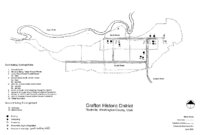
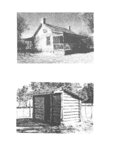
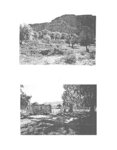
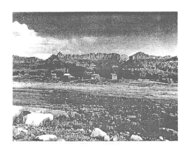
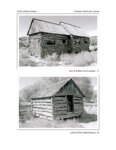
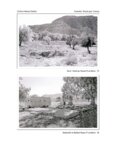
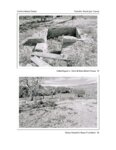
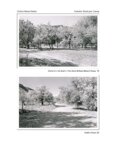
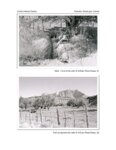
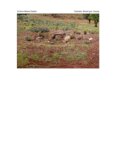
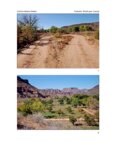
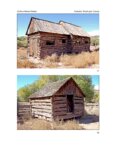
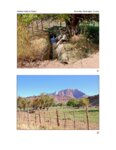
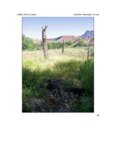
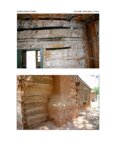
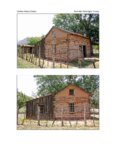
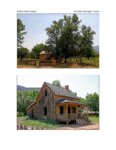
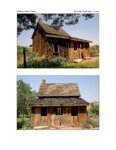
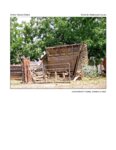
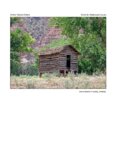
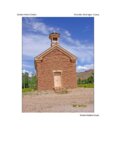
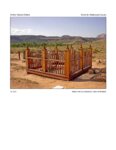
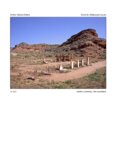
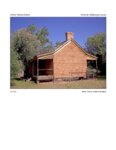
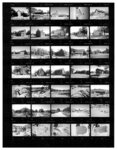
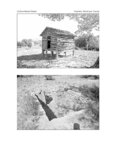
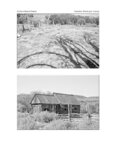
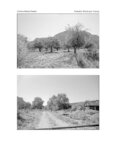
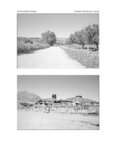
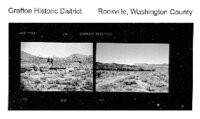
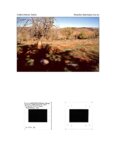
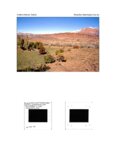
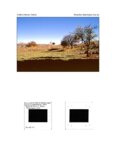
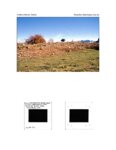
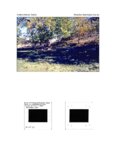
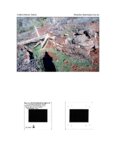
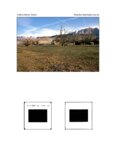
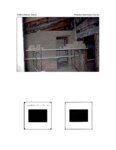
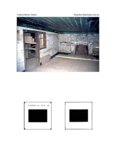
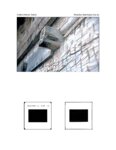
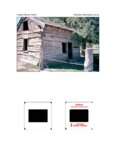
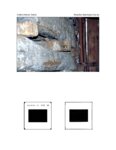
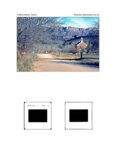
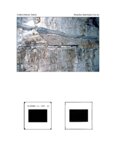
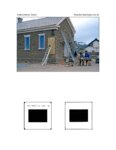
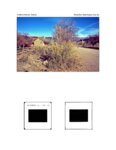
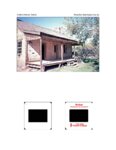
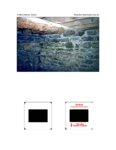
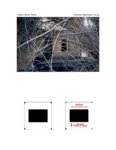
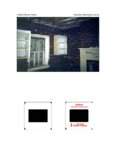
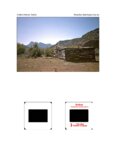
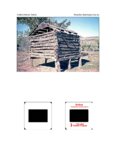
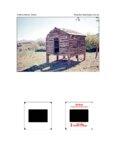
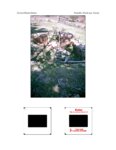
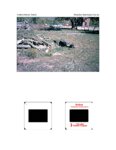
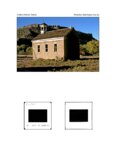
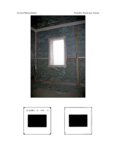
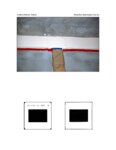
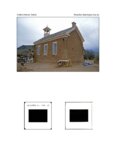
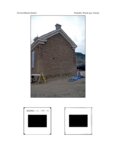
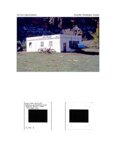
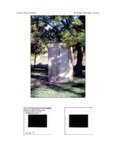
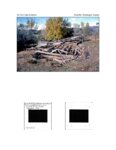
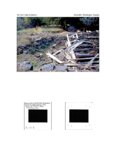
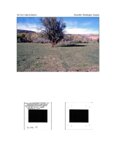
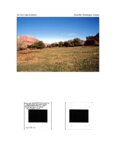
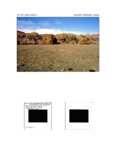
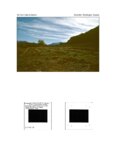
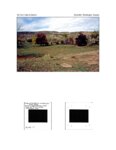
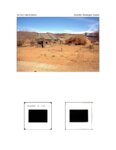
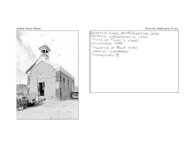
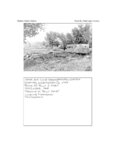
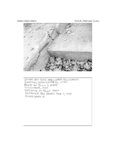
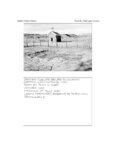
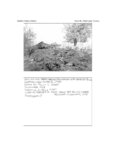
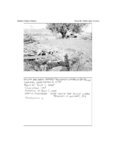
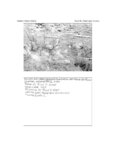
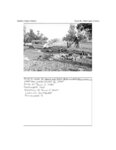
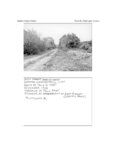
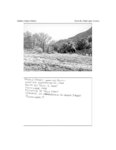
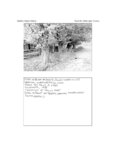
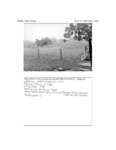
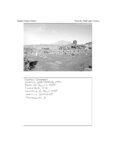
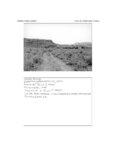
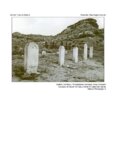
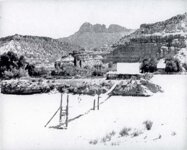
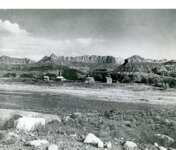
Show OMS No. 10024·0018 NPS Form 10·900·a Microsoft Word 2.0 Format United States Department of the Interior National Park Service National Register of Continuation Sheet Section No. l ~atl ve Historic Page ..2..... Descripti on , Places Grafton Historic District. Grafton. Washington County. UT e-&ntln .. ~ . . . _ needs and resources. Using available materials such as adobe, soti1ired bric~ and logs with black basalt and red sandstone foundations, the Grafton pioneers built in ,the ~pular classical styles, incorpwating vernacular characteristics such as stucco covered walls, unadorned tasG1aooards, and flat wooden lintelt'. Floor plans also reflected these traditional styles, and many of the homes had either single--cell, hall-parlor, or double-pile plans, depending upon the wealth, need, or social standing of the individual. Five historic foundations presently exist at Grafton. Cut black basalt rocks mark the James A. and S~ ie Stanworth House (sUia 1890, Site #4) at the east end of North Street (Photos F-H). The r1~IRs~nidicate that the first floor had four rooms with a cellar below the southeast corner. The foundation of the John and Charlotte J;CilIJ,ard House (~ 1 ~Site #5, Photo I) is located to the west of the extant Louisa Russell Gbin (Site #3).l eutJred sandstone" lnd icates that th~ was a two room home with a one room cellar located approximately twenty feet to the rear (also ~ 1862, Si ~# 5, Photo I). The bas~lt and sandstone foundation of the William and Sarah Hastings House (circa 1862, Site #14, Photos J-L) is located at the southwest corner of North and East Streets. The sandstone foundation of a small one-room.'puilding {circa 6, ~~O$.. Site #10, Photo M) is located east of Middle Street and the David and Maria Ballard ~use. These (' - "i@m31ns may belong to a root cellar, as the steps lead down below grade, and its size appears to be small for a residence, even by nineteenth.-century frontier standards. The bottom row of logs from a one-room cabin (c.iJ:&t 1860s, Site #11) survives on North Street to the northeast of the root cellar foundation. Possibly belonging to the Thomas H. Woodbury cabin, this is the only remnant classified as a foundation that is actually part of a wall. Five modern structures that date ~~ ~~,~a,9'p~f ~Qn!!~are presently standing at Grafton. An outhouse and mobile home (both after 1944.-\and included in rsite'ft4) are located on the James A. and Susie Stanworth property (Photos N-O). The outhouse to the northeast of the foundation appears to have been built after the period of significance, and the pink and white mobi ~ home located directly east of the foundation dates from the 1960s or 1970s. A concrete block structure (crrca- 1960s, Site #13) is located south of South Street just to the east of Middle Street, and a plywood shack (e+rCa-1 960s, Site #12) stands at the southwest end of the district. A frame outhouse on the David and Maria Ballard property (after 1944) appears to be modern. Several structures were built beginning in the 1920s for movie sets at Grafton, although the ruins of only one illiam and Sarah Hastin s found ' Site #14) was moved to the building remai A log cabin 0 site from Buckhor at in adjacent Iron County) in 1947 for the movie "Ramrod~' \~ccording to local legeng.... While the logs appear to have dated from the nineteenth century, a plethora of wire nails throughout the remains indicates that the cabin was assembled at this location in a manner inconsistent with its original construction . ( ; S; Ca.,~ vv~v.. .~ V~ ~ C()"vV:.trvc-~-,..... ~ [,LllAh.y1.i\.& (~ VVLL Vto.'v\.l J.>.<».,/\ Y - ~ cl!" ~ ~ ~ ~ ) _ ---X......see continuation sheet |