| OCR Text |
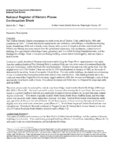
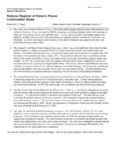
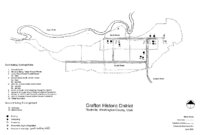
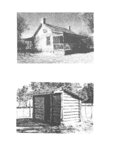
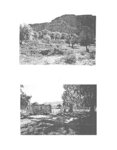
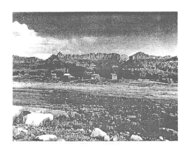
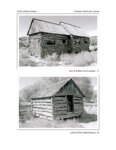
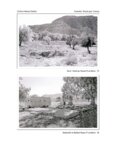
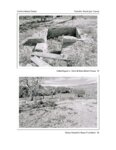
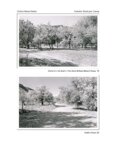
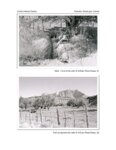
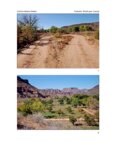
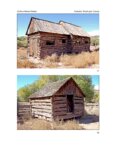
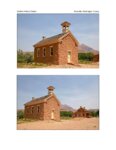
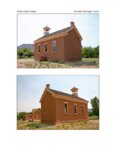
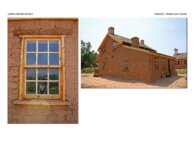
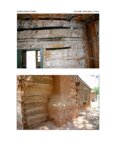
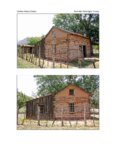
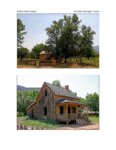
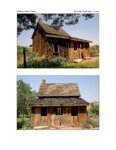
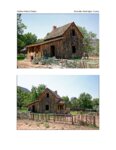
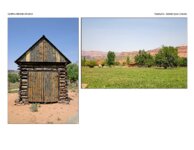
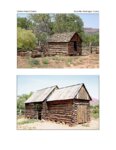
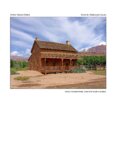
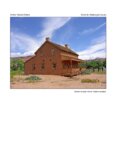
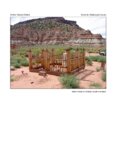
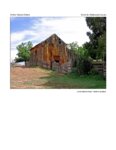
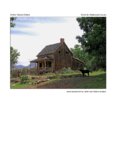
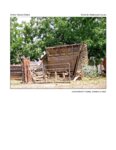
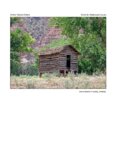
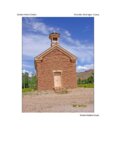
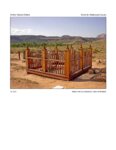
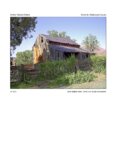
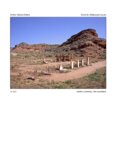
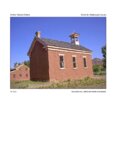
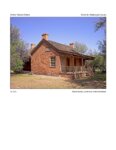
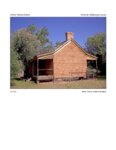
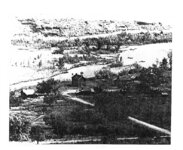
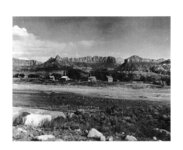
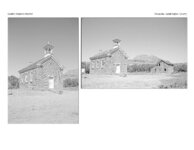
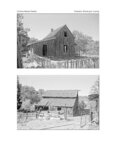
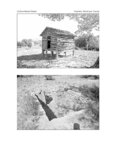
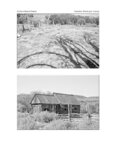
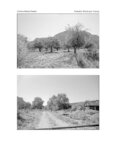
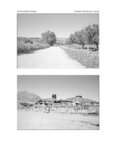
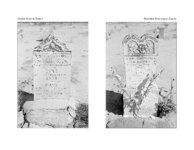
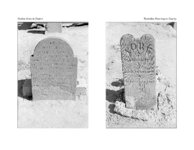
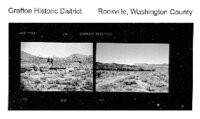
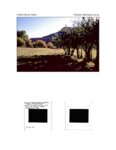
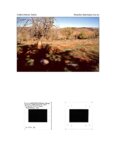
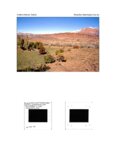
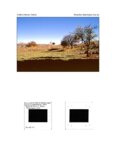
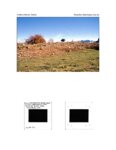
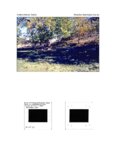
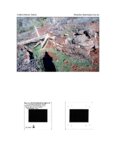
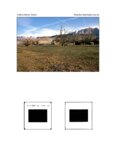
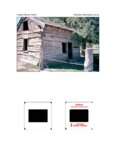
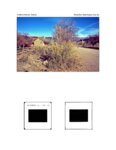
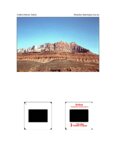
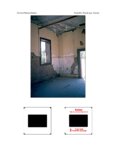
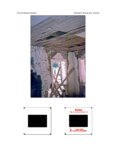
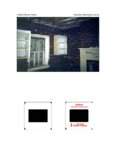
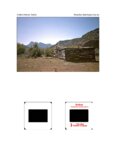
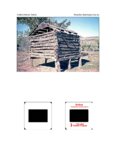
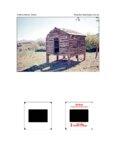
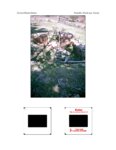
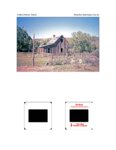
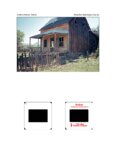
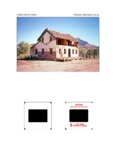
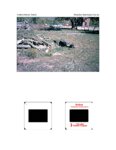
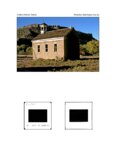
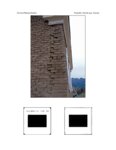
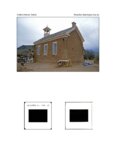
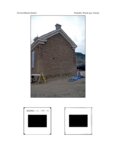
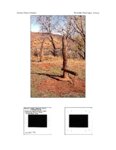
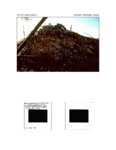
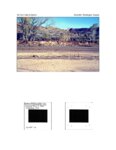
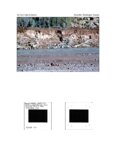
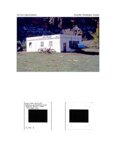
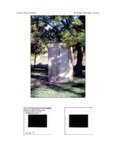
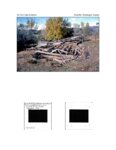
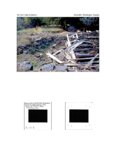
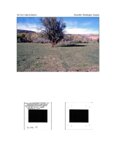
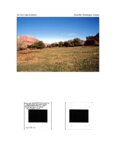
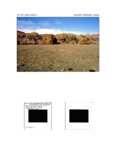
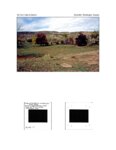
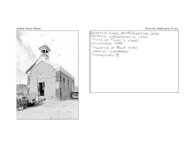
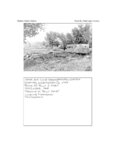
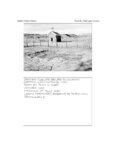
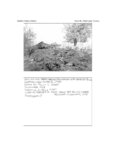
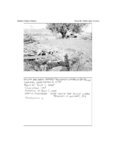
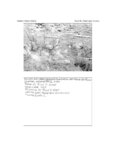
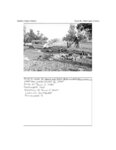
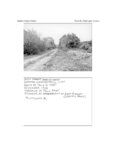
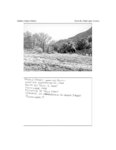
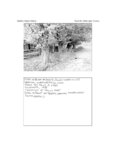
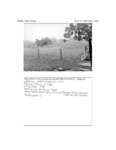
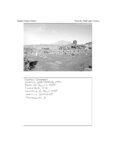
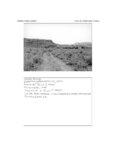
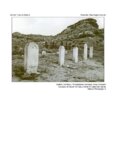
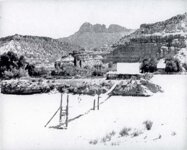
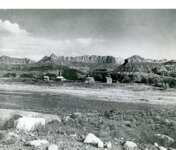
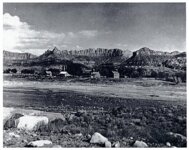
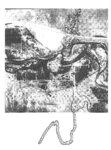
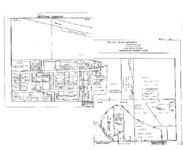
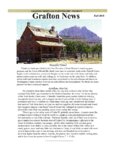
Show OMB No. 10024-0018 NPS Form 10-900-a Microsoft Word 2.0 Format United States Department of the Interior National Park Service National Register of Historic Places Continuation Sheet Section No. 7 Page 1 Grafton Historic District. Rockville. Washington County. UT Narrative Description Overview The Grafton Historic District encompasses the entire townsite of Grafton, Utah, settled in late 1861 and abandoned in 1945. The district also includes the Grafton Cemetery and Wood Road, both nearby but outside of the townsite. Contributing cultural and natural resources include residences, outbuildings, a schoolhouse/meeting house, foundations, fields and an orchard, a system of irrigation ditches and related walls, roads, fences, remnants of a bridge, a cemetery, and a cliffside road with associated retaining walls. Setting Grafton is a small, abandoned Mormon settlement nestled along the Virgin River, approximately two miles from the southern border of Zion National Park in Southern Utah, and two miles west of downtown Rockville, and now incorporated within the Rockville boundaries. Grafton is located one mile up the river from the original town site ("Old Grafton"), which was settled in 1859 and abandoned in January, 1862, as the result of destruction by recurring floods. This farming hamlet sits to the south and west of the Virgin River below steep, rugged sandstone cliffs that are accessed through a maze of deep arroyos (dry river beds) south of town. The Grafton Cemetery, included in this historic district, is located a half mile south of the village, below the cliffs and away from the river. The Wood Road, also included, runs to the west of the cemetery and up the side of the nearby cliffs to the south of town. Architectural Resources Four types of architectural resources can be identified in Grafton and are addressed as follows: historic buildings, historic foundations, modern buildings, and movie sets. Five principal buildings (Photos A-E) and six outbuildings still stand inside the district boundaries and include the following: • a schoolhouse/meeting house of adobe construction (c. 1886, Site #1, Photo A) • the Alonzo Haventon and Nancy Russell House of adobe construction (c. 1862, Site #2, Photo B) • the Louisa Russell Cabin of log construction (c. 1879, Site #3, Photo C) • the David and Maria Ballard House of brick and wood frame construction (c. 1907, Site #7, Photo D) all on North Street • the John, Sr., and Ellen Wood House of brick construction (c. 1877, Site #6, Photo E) on East Street Ancillary buildings include the following • a small frame shed (prior to 1944) at the rear of the Louisa Russell cabin • a large frame barn (c. 1907) • a gabled frame house or granary (c. 1907), and a one-room log granary (Prior to 1900, Site #9) on the David and Maria Ballard property • a two-room, log barn/shed (c. 1877) that is in an advanced state of deterioration, and a log granary (c. 1877) that is in good condition on the John, Sr., and Ellen Wood property. All of the extant principal buildings date from between 1862 and 1907 and remain essentially unaltered, with the exception of natural deterioration. The buildings remain as they were constructed, without electricity, gas, modern plumbing or telephones. _x_see continuation sheet |