| OCR Text |
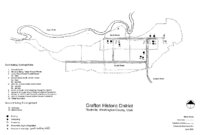
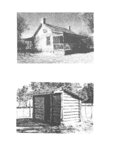
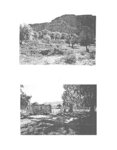
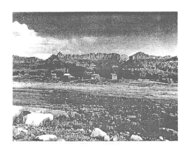
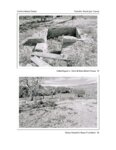
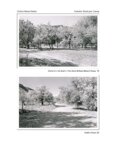
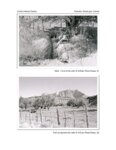
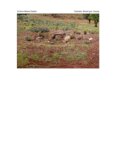
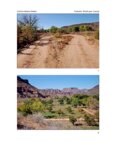
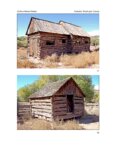
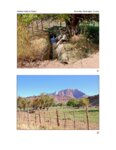
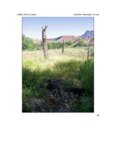
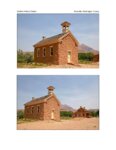
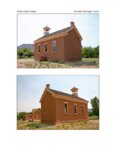
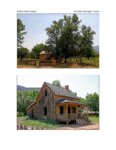
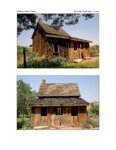
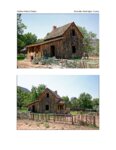
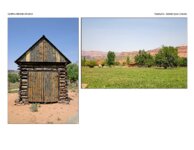
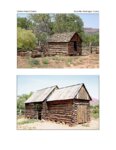
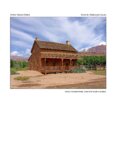
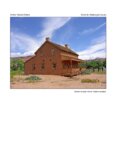
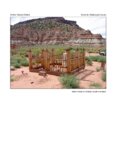
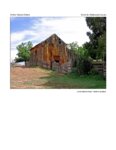
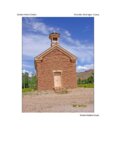
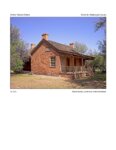
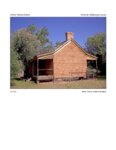
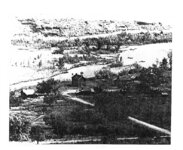
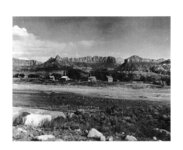
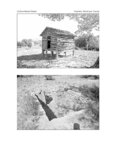
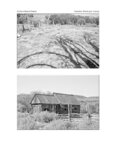
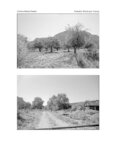
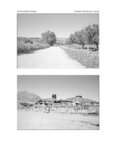
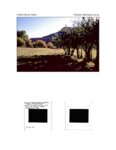
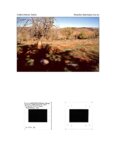
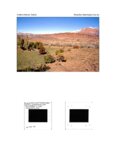
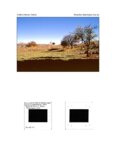
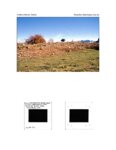
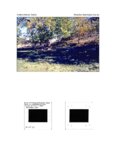
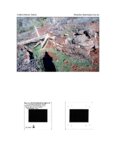
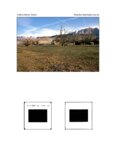
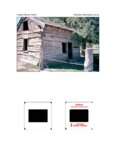
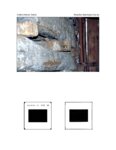
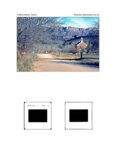
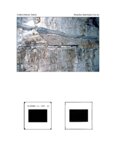
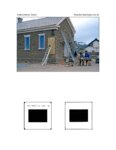
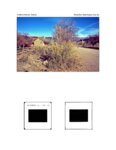
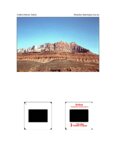
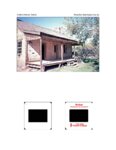
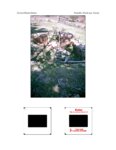
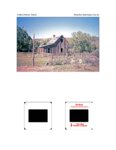
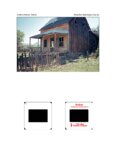
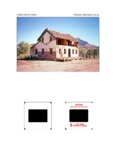
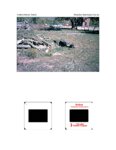
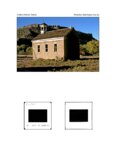
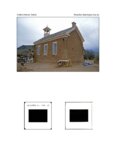
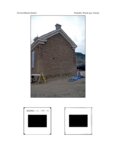
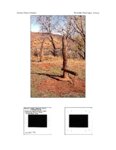
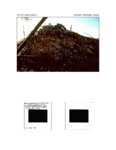
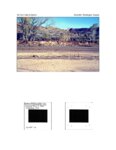
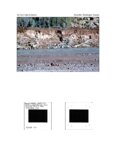
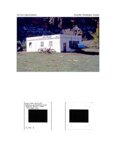
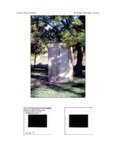
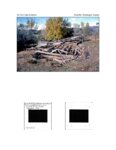
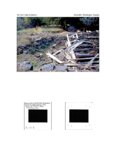
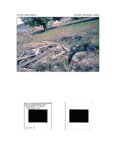
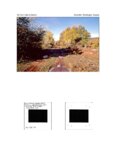
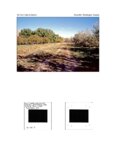
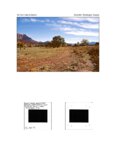
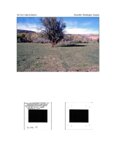
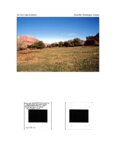
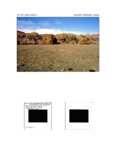
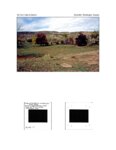
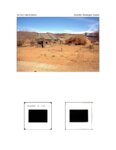
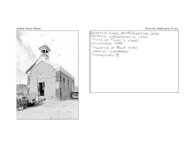
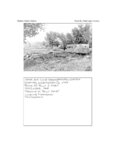
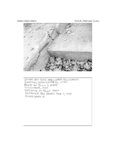
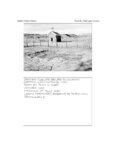
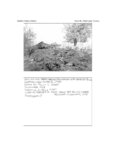
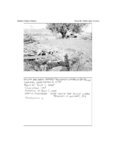
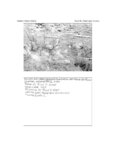
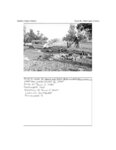
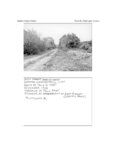
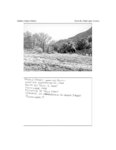
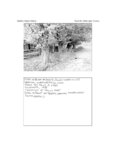
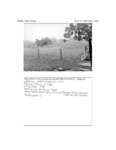
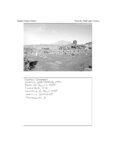
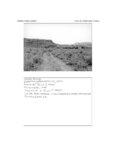
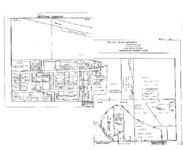
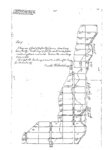
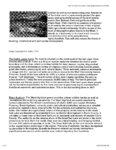
Show OMS No. 102• ..0018, NPS Form United States Department of the Interior National Park Service National Register of Historic Places Continuation Sheet Section No. Z Page ~ Grafton Historic District, Rockville, Washington County, UT The town can presently be approached by vehicle only from Bridge Road in Rockville. The road is paved for a short distance after crossing the Virgin River, but most of its length is unpaved. Grafton Road enters town from the south and ends at North Street at the school house. North Street appears to have run from the east end of town to slightly west of a north/south street (now gone). South Street began at Grafton Road and ran west through town. Historically this road continued to Toquerville and St. George but it is now fenced on the west y ide of Grafton Road. Agricultural Landscape The agricultural landscape of Grafton included features related to farming and property boundaries such as fields and orchards, irrigation ditches, and fences. Fields dominate the landscape (c. 1862); however, grass has taken over most of them for lack of plowing and planting crops. The fields that meet the cliffs at the west end of town are the exception, and they are overgrown with sage and other plant life native to this arid climate. Many are currently used as pastures for cattle (Photo # 22). One orchard exists to the south (rear) of the Davis and Maria Ballard House (Photo # 19). The trees, planted in rows, appear to date from the end of the historic period of significance. Other orchards are planted to the northwest, south, southwest, and east of the John, Sr., and Ellen Wood House (Photo # 20) . Remnants of historic irrigation ditches (late 1861-1862) can be seen along most of the roadsides, fence lines, and bisecting some of the fields. The ditch running ~!2~9 .t~~S~ide of Grafton Road (in front of the extant Wood house, Photo # 21) is the most visible and ha~cre e '15" sides. In many places the ditches have been filled with large irrigation pipes and then coverea with dirt and now appear as lengthy mounds. |