| OCR Text |
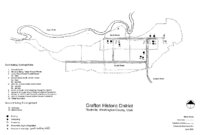
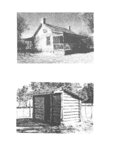
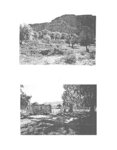
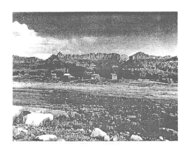
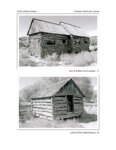
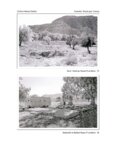
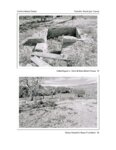
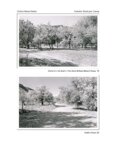
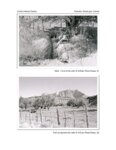
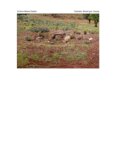
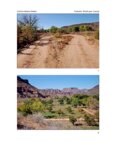
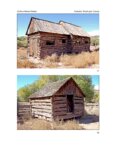
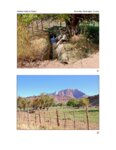
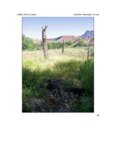
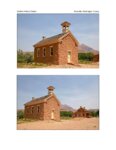
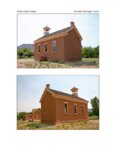
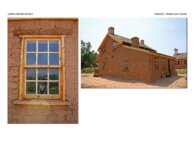
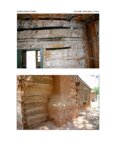
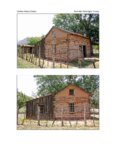
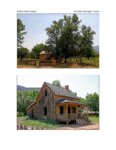
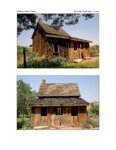
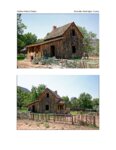
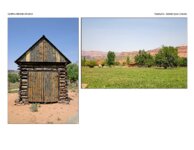
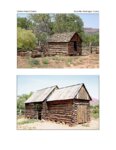
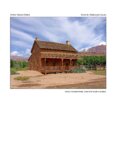
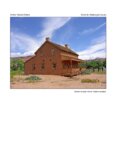
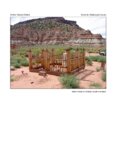
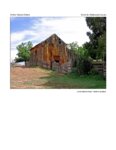
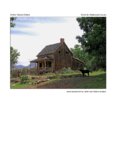
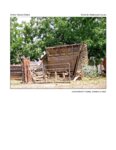
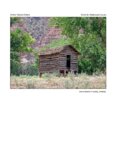
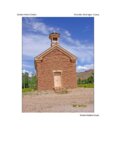
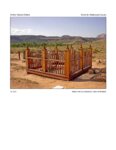
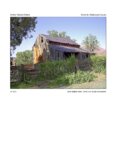
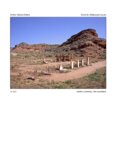
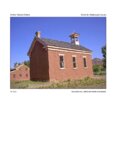
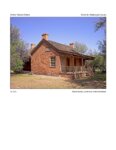
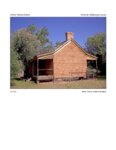
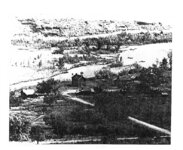
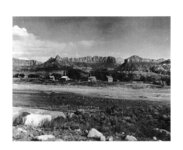
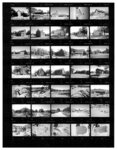
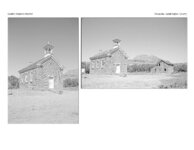
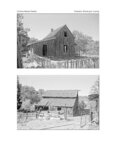
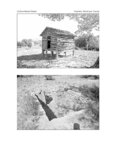
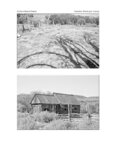
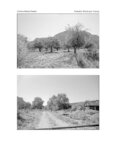
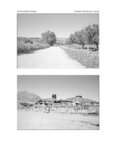
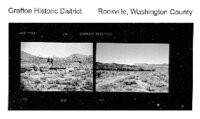
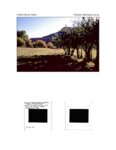
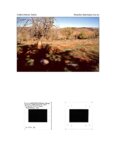
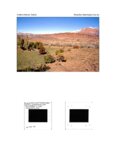
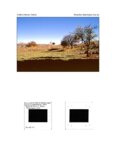
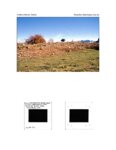
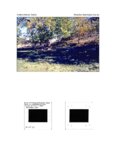
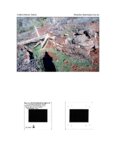
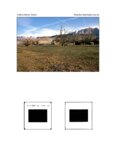
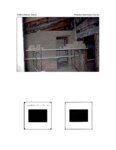
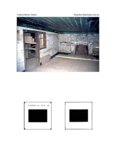
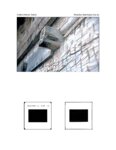
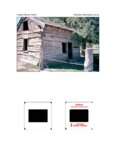
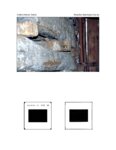
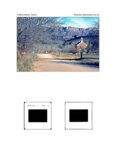
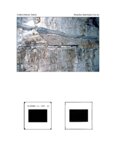
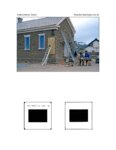
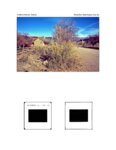
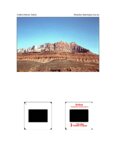
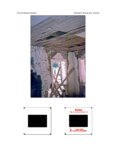
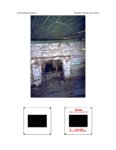
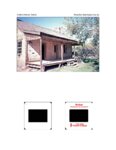
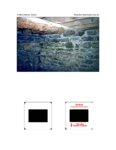
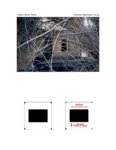
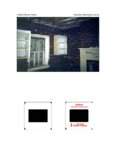
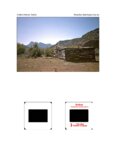
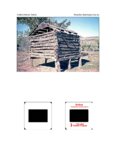
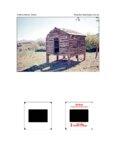
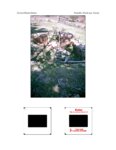
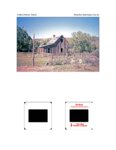
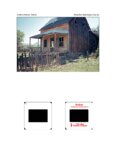
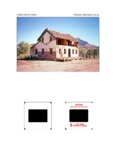
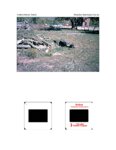
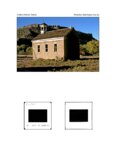
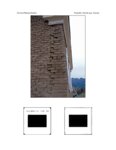
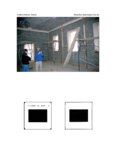
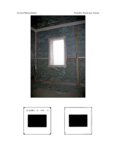
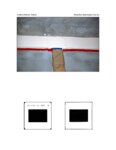
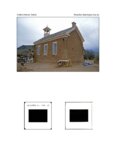
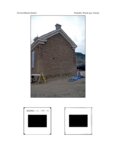
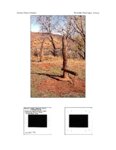
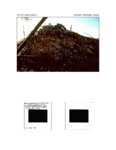
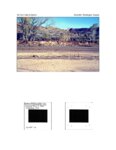
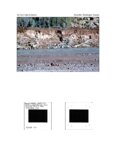
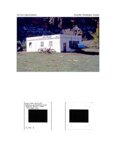
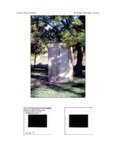
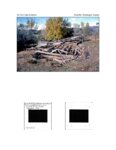
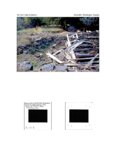
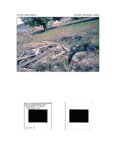
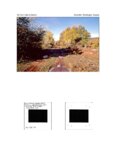
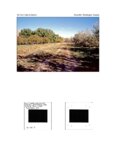
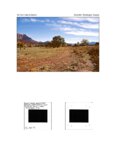
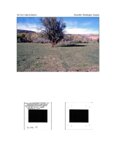
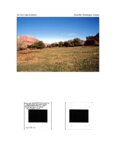
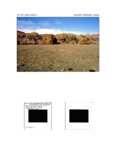
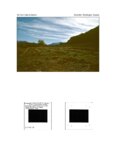
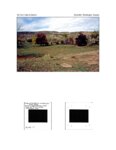
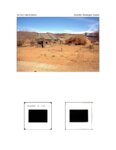
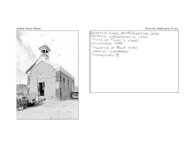
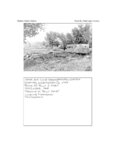
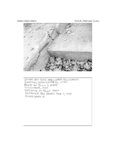
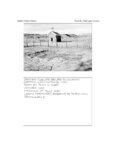
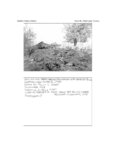
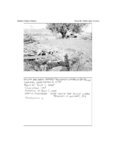
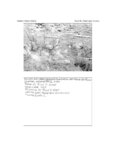
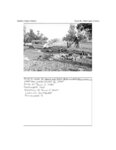
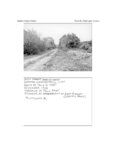
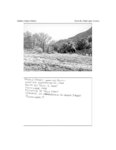
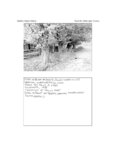
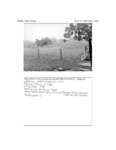
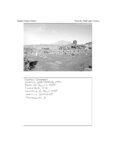
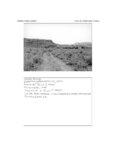
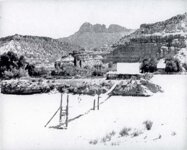
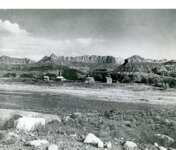
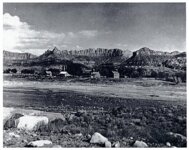
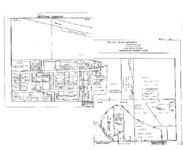
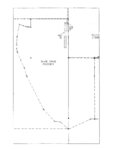
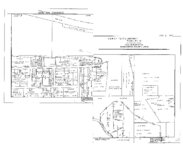
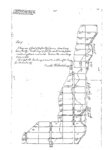
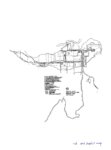
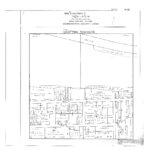
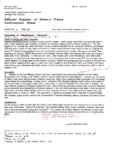
Show OMB No. 1024-001 8, NPS Form United States Department of the Interior National Park Service National Register of Historic Places Continuation Sheet Section No. Z Page 1 Grafton Historic District, Rockville, Washington County, UT Narrative Description Overview The Grafton Historic District encompasses the entire town site of Grafton, Utah, settled in late 1861 and abandoned in 1945 . 1 Cultural and natural resources include residences, outbuildings, a schoolhouse/meeting house, foundations, fields and orchards, roads, fences , and a system of irrigation ditches and related walls. Fifteen contributing resources remain from the agricultural community: four residences, a church/school building, five agricultural outbuildings (barns, granaries), and five visible building :f()undations/sites, and the footings for a bridge. There is one noncontributing building, a more recent wooden privy, and one object, a mobile home. Grafton is a small, abandoned Mormon settlement nestled along the Virgin River, approximately two miles from the southern border of Zion National Park in southern Utah, and two miles west of downtown Rockville. It is now incorporated within the Rockville town boundaries. Grafton is located one mile up the river from the original town site ("Old Grafton") that was settled in 1859 and abandoned in January of 1862, as the result of destruction by recurring floods of the nearby Virgin River. The only public building, the church/school/meeting house, is located at the intersection on the north end of town, near the river. This farming hamlet sits to the south and west of the Virgin River below steep rugged sandstone cliffs that are acce ssed through a maze of deep arroyos (dry river beds) south of town. It is a desert landscape and fields must be irrigated for crops and cattle grazing fodder. The town can presently be accessed by vehicle only from Bridge Road over the Rockville Bridge (NR listed 8/4/1995) in Rockville. The road is paved for a short distance after crossing the Vir gin River, but most of its length is unpaved. Grafton is laid out on a small grid of unpaved streets oriented on an east-west axis, rotated slightly clockwise.2 Five streets originally existed: North Street, South Street, Grafton Road, and two other streets that ran north-south whose names have been lost over time. Grafton Road enters town from the south and ends at North Street at the school/church. North Street appears to have run from the east end oftown to slightly west of a north/south street (now gone) (Photo # 1). South Street began at Grafton Road and ran west through town. Historically this road continued to Toquerville and St. George but it js now fenced on the west side of Grafton Road and South Street is closed to traffic (Photo # 2). Architectural Resources Two types of architectural resources can be identified in Grafton: historic buildings and the remains of historic buildings (foundations). Five contributing principal buildings (Photos 3-7) and five outbuildings (Photos 8-12) still stand inside the district boundaries and include the following: 1 This is a revised version of the National Register Historic District draft nomination completed by Polly Hart in 1999. 2 The survey for Grafton was based on the "Plat of the City of Zion" designed by LOS (Church of Jesus Christ of the Latter-day Saints or Mormon) Church founder Joseph Smith for the City of Zion near Independence, Missouri, in 1833. Joseph Smith's plan for Zion called for a mile-square grid of streets , each 132 feet wide . Three large elongated blocks at the center of town were set aside for the bishops' storehouses and twenty-four temples, and farm fields were located outside of the town. Obviously the plan of Grafton differs greatly from the City of Zion ; however, modifications were made based on local needs and terrain , as was the case in the majority of Mormon settlements. |