| OCR Text |
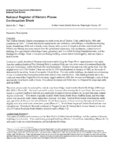
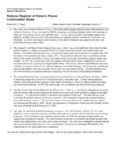
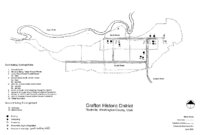
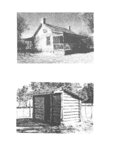
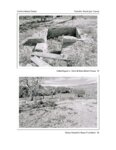
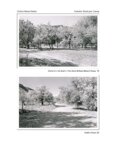
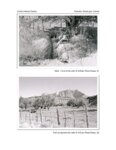
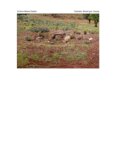
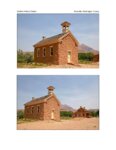
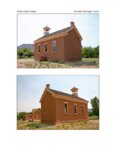
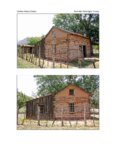
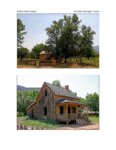
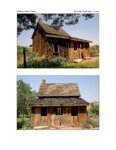
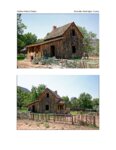
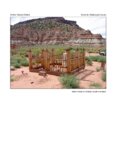
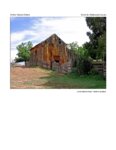
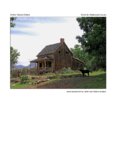
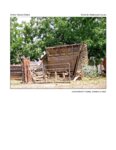
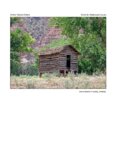
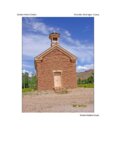
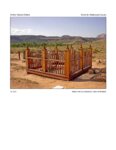
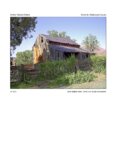
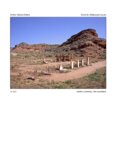
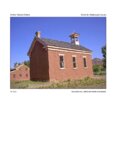
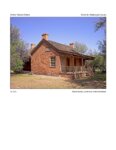
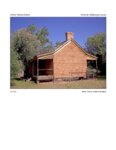
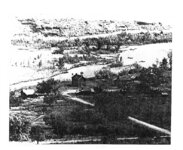
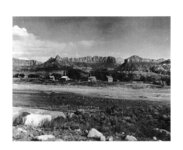
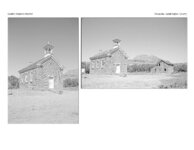
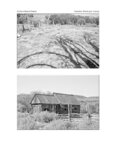
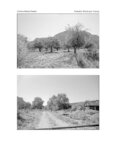
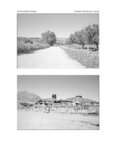
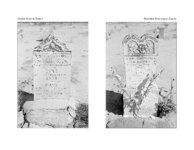
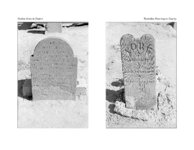
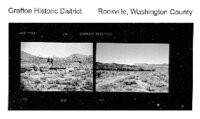
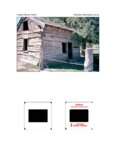
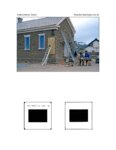
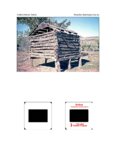
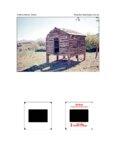
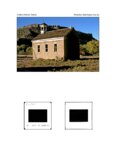
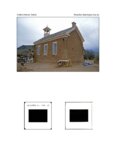
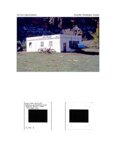
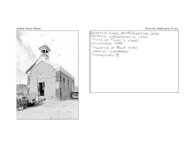
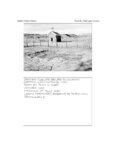
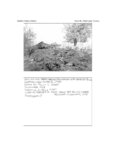
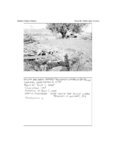
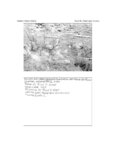
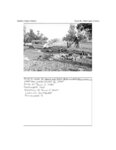
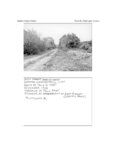
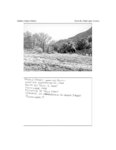
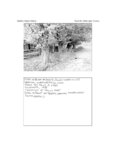
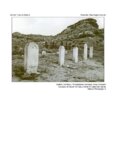
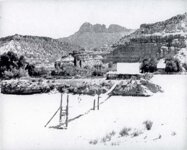
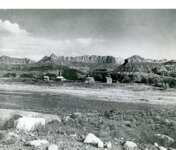
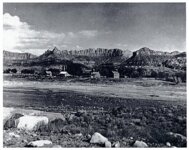
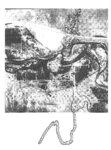
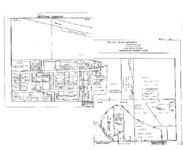
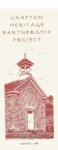
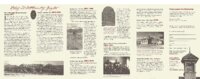
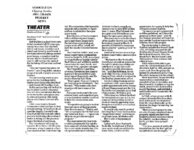
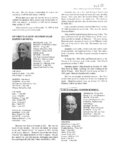
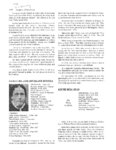
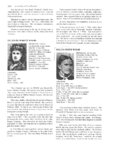
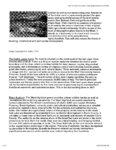
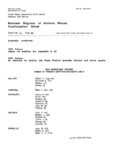
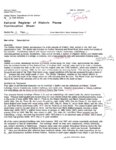
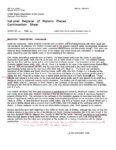
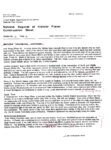
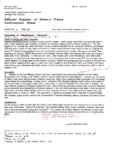
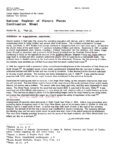
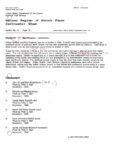
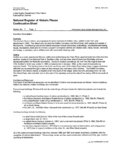
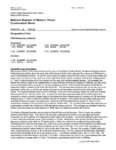
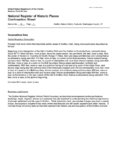
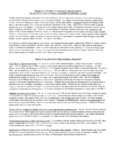
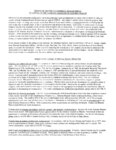
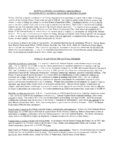
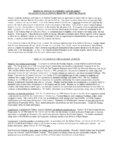
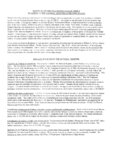
Show r-t ISTO R Y § SETTLEMENT OF yRAFTON Grafton was one of several settlements along the Virgin River colonized in the 1850s under the direction of Brigham Young for the purpose of growing cotton on a commercial scale. Its history is a testament to the perseverance and industrious spirit of early settlers. In 1859, Nathan Tenny ledjive families including the Barney's, Davies, McFate's, Platt 's and Shirts from nearby Virgin to a site on the Virgin River one mile downstream of modern-day Grafton. Crops were planted, irrigation ditches created; homes and a school were built. Friendly local Southern Paiute Indians helped the early settlers. The small community grew slowly as more settlers came fro m Salt Lake City to settle the land. In January of 1862, a raging flood destroyed most of the infant town. A resident of Virgin wrote: "the houses in old Grafton came floating down with the furniture, clothing and other property of the inhabitants, some of which was hauled out of the water, including three barrels of molasses. " The selliers were forced to relocate and chose the current site one mile upstream. Their troubles were not over. A great number ofdams were built only to be washed away, sometimes two or three in a single year. During each flood, irrigation ditches jilled with sand requiring such continuous attention that one settler remarked, "making ditches at Grafton is like household washing; it 's a weekly chore!" Indian troubles known locally as the "Black Hawk War" forced many residents to move from the area. Recordsfrom 1870 show only 38 hardy souls in Grafton. Despite their many problems, the people were optimistic and in good health. The crops and fruit trees did well and there was time for music and dancing. By 1886 Grafton's population grew to 28 families with over 200 acres of irrigated land under cultivation. After hauling lumber more than 80 miles from Mount Trumbull and gathering clay from a pit west of town, they constructed the adobe church-schoolhouse which still stands today. The town continued to thrive until 1911 when a pioneerbuilt canal began delivering irrigation water to the Hurricane and La Verkin benches twenty miles downstream. Local fami lies dismantled their log homes and reconstructed them near their new jields. The last residents moved away in 1935. Despite deterioration and vandalism, the remaining buildings draw visitors from around the world. With your help, this historic setting will enrich many generations to come. The Grafton cemetery |