| OCR Text |
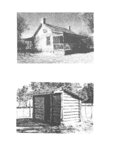
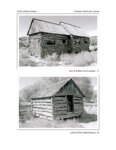
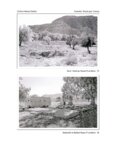
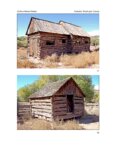
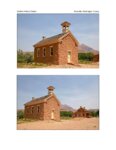
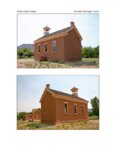
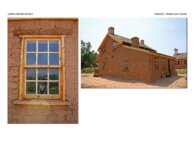
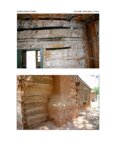
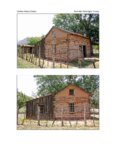
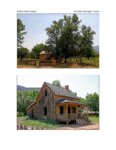
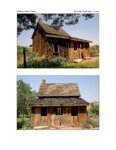
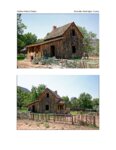
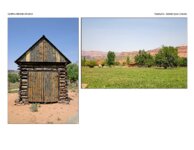
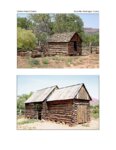
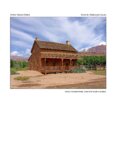
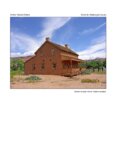
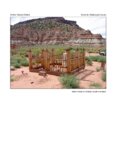
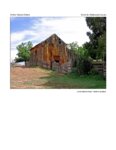
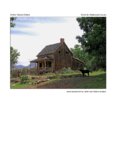
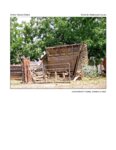
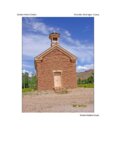
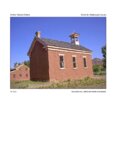
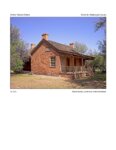
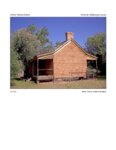
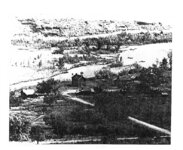
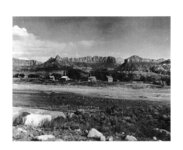
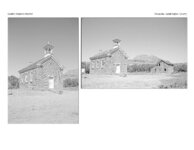
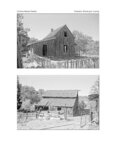
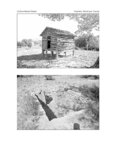
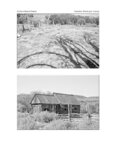
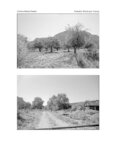
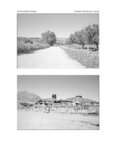
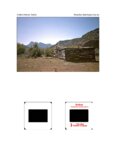
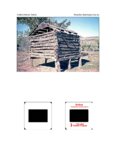
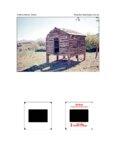
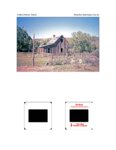
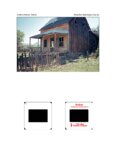
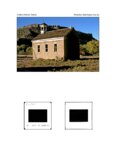
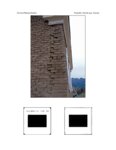
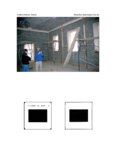
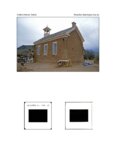
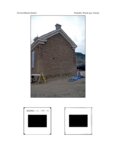
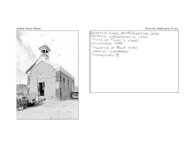
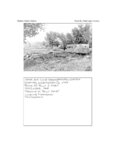
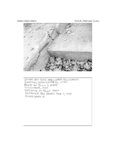
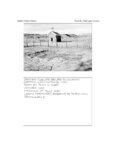
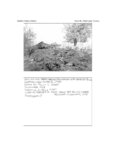
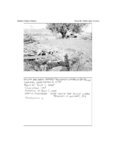
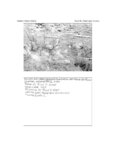
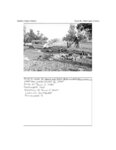
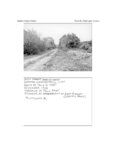
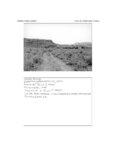
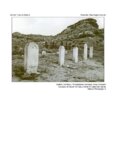
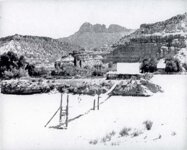
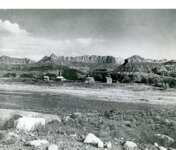
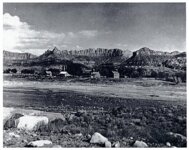
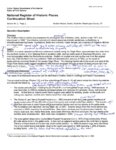
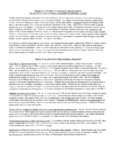
Show This text message is used to keep the image from rotating in ocr process. Be sure to crop the top .25" off after the ocr process. "Pi. lot of peOple in the town were working on the canal and got land in Hurricane in return for their work. ' "We received sorile funding Families began moving to Hurricane I through a community .block develop- starting in about 1907; we moved in the ment grant that allowed us to replace fall of 1914 to Hurricane .... Most of the the roof. The bell tower was stabilized, homes were wood structures, and and the trim and fascia were scraped since wood was so . scarce, families would move their entire homes and and painted," noted Mr. Burns. Today there are a handful of struc- reconstruct them in Hurricane," he tures still standing in Grafton. The said. Now the land in the town is used for church/schoolhouse, built in 1886, is owned by Washington County; the grazing and blackberry and apple Grafton cemetery and the original growing. Hollywood has visited the town access into the town. Wood Road, are on BLM land. The ' other buildings more than once, according to Mr. include "a home .that's about to fall Hatfield. "A Tom Mix film and a couple down called the Russell House, with of other Westerns were filmed here, adobe foundation and lathe and plaster, which used ~e ghost town buildings. I built around the turn of the century, They .changed the Russell House to . and the Wood House, made of adobe look like asaloon," he said. .The Butch Cassidy crew built Etta bricks. There's also a log house that is Place's home on, the foundation of an hand-hewn," said Mr. Hatfield. These homes are owned by private existing house in the town. "(The landowners who have been "very will- house) was still standing iti the miding to work with us," said Mr. Burns. . 1980s. It had a fake fireplace. Evidently "One of these landowners has been some visitors to the town site stopped doing some preservation right now. there to have lunch and built a fire in (He's) paying attention to detail to the fireplace and burned down the make sure the restoration is historical- house," said Mr. Burns. Fear for the safety of the town's delly accurate." At the behest of Brigham Young, icate edifices has made movie crews Salt Lake Mormons moved to the lesS welcome in Grafton these days, Virgin River area to start several cot- said Mr. Hatfield. "They'd have to ton-growing settlements in the 1850s adhere to some strict standards if they and '60s. Grafton was one, founded in wanted to.film right in the town now," 1859 by Nathan C. Tenney and other he said. families from . the . nearby town ·· of · . Preservation plans for the Vlrgin. But the town's location near the church/schoolhouse are ambitious. river proved problematic. ' . -- '!}be next phase will be to build an inte"The V lrgin River flooded in 1862 nor support structure. We will be and destroyed the town, so they relo- fustalling all n~w windows and a new cated the town a mile further upriver. door. We will be looking at repainting There were more flood problems each and restabilizing the foundation. Well year, and they rebuilt the town_each do a lot of adobe replacement on the time," said Mr. Hatfield. One inhabi- walls and replacement of bricks," said tant, Marvelous Flood Tenney, was so Mr. Burns. There are ' plans to build a visitor named because he was born during station across the river from the Site, as the height of one of the numerous well as a footbridge, to encourage floods that swept through the town. But Brigham Young's dreams of walk-through tours and restrict vehicle , - . " ' " ~; creating a cotton empire in the state's - acces& "We are hoping to purchase larid southwest comer didn't pan out "The soil was not that productive, the river from landowners who 'are wil)fug to was still a problem - it was just ~b sell. The intent is to ptOteci:ili'e town sistence living. The ground was not site from the potential ofI3rge-scale suitable for cotton production," noted development," said Mr. Burns. ;' How will all this be achieved? Mr. Hatfield. . The early 1870s rage for silk "We've just hired someone t~ get the prompted Brigham Young to have Silk- church/schoolhouse listed on the worm' eggs imported from Asia and National Register of ~Historic Places. taken to Grafton, but, as with cotton, This designation would offer protecgrowing subsistence crops and bat- tion and make funds available for tling periodic flooding were constant restoration," said Sharon Hatfield. "We have put in for another com. distractions. Troubles with the nearby Southern munity block development grant," Mr. Paiutes erupted in the late 1860s and Burns added, "and we received exacerbated Grafton's already difficult $25,000 from the Eccles Foundation to living conditions. By 1870 only 38 pe0- go ·toward rehabilitation of the ple lived in the town. "A few settlers church/schoolhouse." Why all the fuss? "Grafton is one of persevered. But the last people moved those places QIat leave a lasting away around 1935," said Mr. Hatfield. LuWayne Wood was born in impression on you. There's a cultural Grafton in 1911 and now 1.iY~ in St landscape tha~ still intact'-..,;,.,-the, George. His father, like m~wnsfolk orchards, the ~d remnants and thi~ atthe time, worked on ,f t Hurricane stunning backQfOp - it all fi~~3;j wonderful package," said Mr. Burns. canal, which was completed in 1906. ; ~.:\ 7<j~!!~,!" "0' , - 1'- ,: |