| OCR Text |
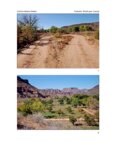
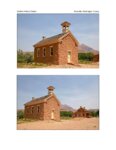
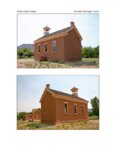
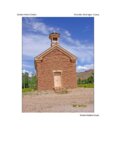
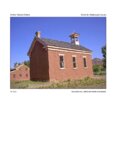
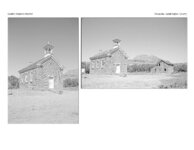
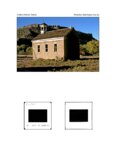
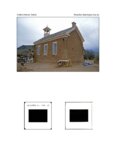
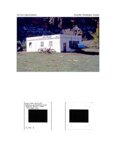
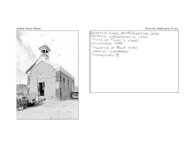
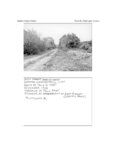
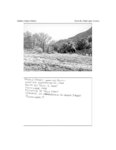
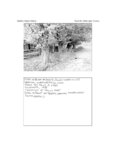
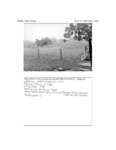
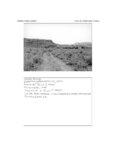
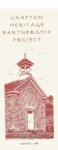
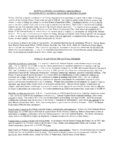
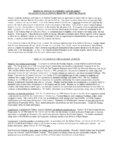
Show NPS Form 10-900-a Microsoft Word 2.0 Format OMB No. 10024-0018 United States Department of the Interior National Park Service National Register of Historic Places Continuation Sheet Section No. -.JL Page ~ Grafton Historic District, Rockville, Washington County, UT_ In 1886 the residents built a permanent adobe schoolhouse/meeting house at the intersection of East Street and North Streets. 35 An undated county school district questionnaire indicated that the one-room building was unfinished but had cost $600 to date and was funded by donations. It also showed that the structure was used for Sunday church services. The building was finally dedicated on July 7, 1888.36 It was used for school purposes until 1919, when the last eight students were transferred to the school at Rockville. Good wood for building was hard to come by in the Virgin River Valley, as the prevalent cottonwood trees were too soft and weak. The best timber could be found on the mesa above to the south and west of town and in nearby Arizona, but access was a problem . The canyon walls were steep and rocky, and they were impassable in many places. The Wood Road, named for the wood that was hauled down it, was built in the early 1890s.37 It was excavated out of the hillside and supported in many places by rock retaining walls as it switch-backed up to the mesa. ''The road was so steep in places that the [descending] wagon had to be rough locked by use of log chains and a large tree attached behind the wagon as a drag to secure the safety of negotiation of the road."38 The road continued to be used until the town was abandoned. Oil Speculation Underground oil reserves were discovered in North Creek near Virgin in 1904. Before long speculators were surveying claims throughout much of the Virgin River Basin, and an oil company came to Grafton in 1908 and drilled a well in a wash north of town. A derrick was then built south of town to the west of the cemetery; however, the amount of oil that was produced was insufficient to warrant continuing. The company left town the following year, and the boom ended about the same time when none of the claims produced as anticipated. This short-lived industry provided temporary work for some of the local residents, and Ether Wood made four dollars per day as a surveyor. 39 Entertainment The settlers at Grafton worked very hard to eke out a meager existence, but they also treasured recreation as a way to relieve the daily pressures of life. Dances were often held in Alonzo H. Russell's tent before permanent structures were erected, and later the adobe school house was the setting for these festivities nearly every Friday night. The children were treated to sleigh rides in the winter when sufficient snow was on the ground, and summer activities included taffy pulls and swimming in the Virgin River. 40 John H. Ballard was a professional fiddler, and several of the Ballard and Russell men joined talents to create a band that played at the dances and other holiday celebrations. -1Lsee continuation sheet 35 County District of Schools, Questionnaire to James M. Ballard, Secretary and Trustee of Grafton School District regarding the new school house. n.d. 36 Jenson, A History of Grafton Ward, 1888. 37 Ether Wood, Unpublished autobiography, p. 8. 38 Leone Russell McMullin, Grafton, Ghost Town, p. 3. 39 Wood, op. cit., p. 9. 40 Ballard, op. cit., p. 23. |