| OCR Text |
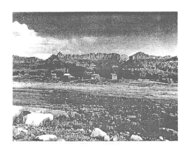
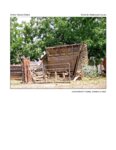
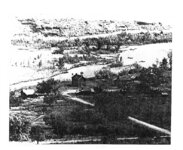
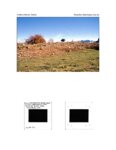
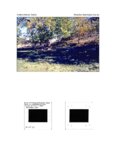
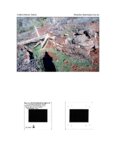
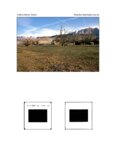
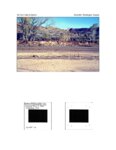
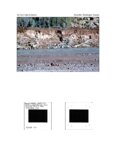
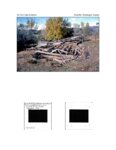
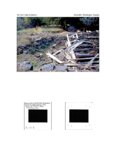
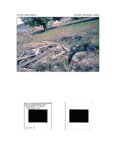
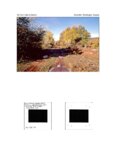
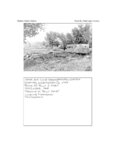
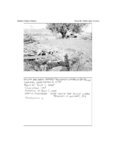
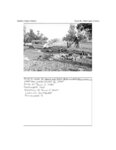
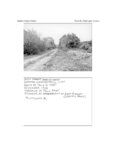
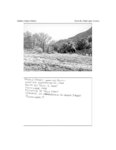
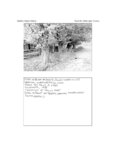
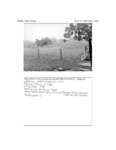
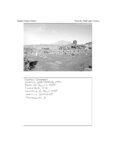
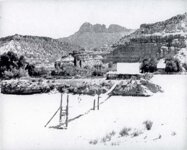
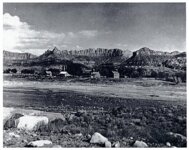
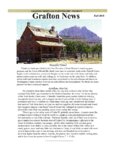
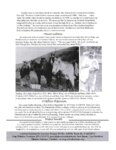
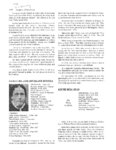
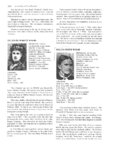
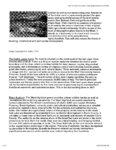
Show Fall 2010 Settlers used other methods to irrigate their land besides the historic canals and ditches. This 1898 photograph shows three men working on a water wheel which raised water from a short feeder canal alongside the Virgin River up to a wooden flume about twenty feet higher than the river which provided water for crops. The picture was taken by Howard R. Driggs on a trip from Branch Normal School, in the year 1898. Kumen Jones was the driver of the carriage. They spent a month travelling around Southern Utah speaking to the people about the school. (Huber's Water Wheel in Rockville 1898, picture takenfrom the online Sherratt Library-Digital Collection.) " " Rl.,v'er " vt,rgt,1!\The Virgin River runs along the northern boundary of Grafton. In May, The Wild Utah Project held a training workshop on the Virgin River at Grafton to assess the health of river in a 200 ft section. Representatives from Zion National Park, Arizona Game and Fish, Arizona Riparian Council, The Utah Nature Conservancy, Arizona Dept of Environmental Quality and others participated in the workshop. The survey looked at: water quality, shape of the floodplain, fish habitat, vegetation, and wildlife habitat. Some results include: no algae growing on river bottom rocks which is a good sign; 50% of banks had overhanging vegetation which are good for fish; soil was undisturbed from vehicles; it had diverse fish habitat with, pools, cobble debris, and runs; all age classes of vegetation were present, seedlings, saplings, and mature. However, much of area included dense non native tamarisk and Russian olive trees which are choking out the native plants. The Grafton Heritage Partnership (Partnership) is interested in managing the floodplain for the benefit of native plant and fish communities. This would include removing the exotic tamarisk and Russian olive trees and restoring the natural cottonwood, willow, and native plant communities. The Grand Canyon Trust holds a conservation easement on the floodplain to protect wildlife habitat. The Partnership will also work with BLM to improve fish and wildlife habitat in this section of river. The tamarisk beetles have arrived in Grafton. All of the tamarisks are brown now and it looks like they are dead from the beetles. In 2006, the City of St. George released beetles along the Virgin River to kill tamarisk. A primary objective of tamarisk biological control is to reduce competition by exotic tamarisk with a variety of native riparian plants, including trees (willows, and cottonwoods), shrubs, and grasses. Unlike expensive chemical and mechanical controls of tamarisk that often must be repeated, the tamarisk beetle does not harm native plants and is self-sustaining in the environment. Recovery of native riparian grasses can be quite rapid under the once closed canopy of repeatedly defoliated tamarisk. However, tamarisk beetle defoliation can reduce nesting habitat for riparian woodland birds until native woodland plants are able to return. Releases of tamarisk beetles are currently on hold until concerns can be resolved regarding safety of tamarisk biological control to nesting habitats of the federally endangered southwestern willow flycatcher. |